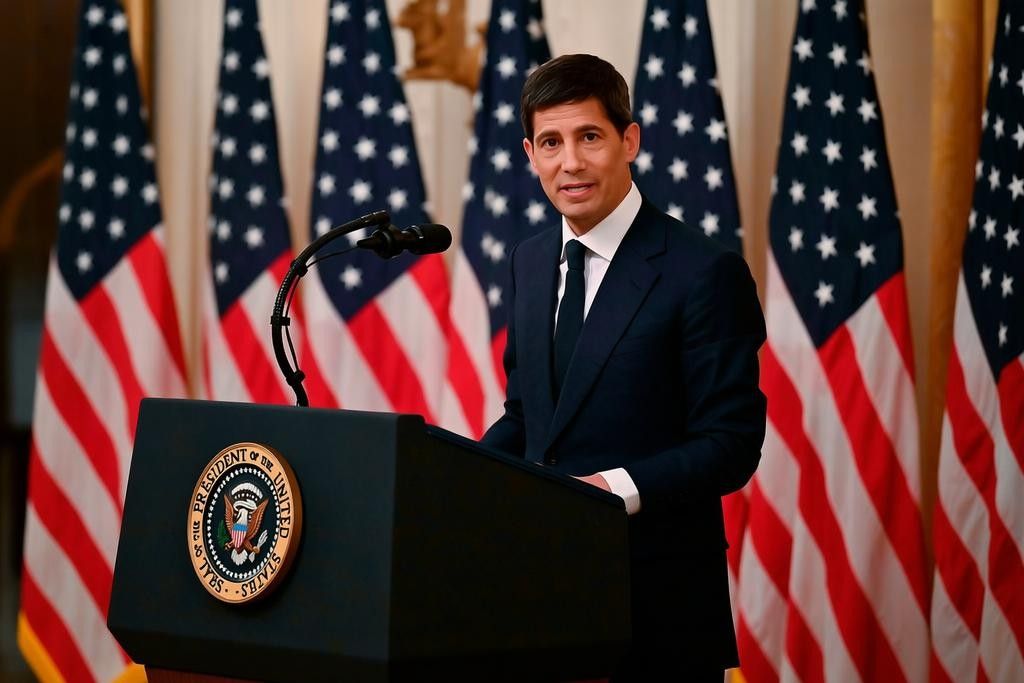
Kevin Warsh presided over his first Federal Reserve meeting in June, and the central bank held interest rates steady amid rising energy costs pushing inflation higher. The Fed's decision to leave rates unchanged reflects the complex inflation picture facing policymakers right now.
Energy prices have climbed significantly, creating renewed pressure on overall inflation. This puts the Fed in a tricky position. Rate hikes cool inflation by making borrowing more expensive, discouraging spending and investment. But holding rates flat means the Fed isn't tightening monetary policy further, which could allow inflation to persist if energy prices remain elevated.
For savers, unchanged rates mean deposit account yields stay put. Anyone earning 4.5% to 5.3% on high-yield savings accounts at banks like Marcus, Ally Bank, or American Express should not expect immediate increases if energy-driven inflation proves temporary. Money market accounts, CDs, and savings accounts tied to Fed rate movements will hold their ground for now.
For borrowers, the pause offers relief. Mortgage rates, credit card APRs, and auto loan rates won't climb higher from Fed action alone, though they can still move based on broader bond market conditions. Existing variable-rate debt holders benefit from no additional rate pressure.
Warsh took over as Fed chair with inflation remaining above the central bank's 2% target. His first meeting signals the Fed is watching energy prices closely before making its next move. If energy costs drop, inflation could cool without further rate increases. If they stay high or climb higher, the Fed may need to act.
Investors holding bonds should note that unchanged rates support existing bond prices. Rising rates hurt bond values, so a pause means no new headwind for bond portfolios. Stock investors face mixed signals. A Fed holding steady suggests no immediate economic brake, but persistent inflation could eventually force rate hikes later.
The key takeaway for household finances: rate