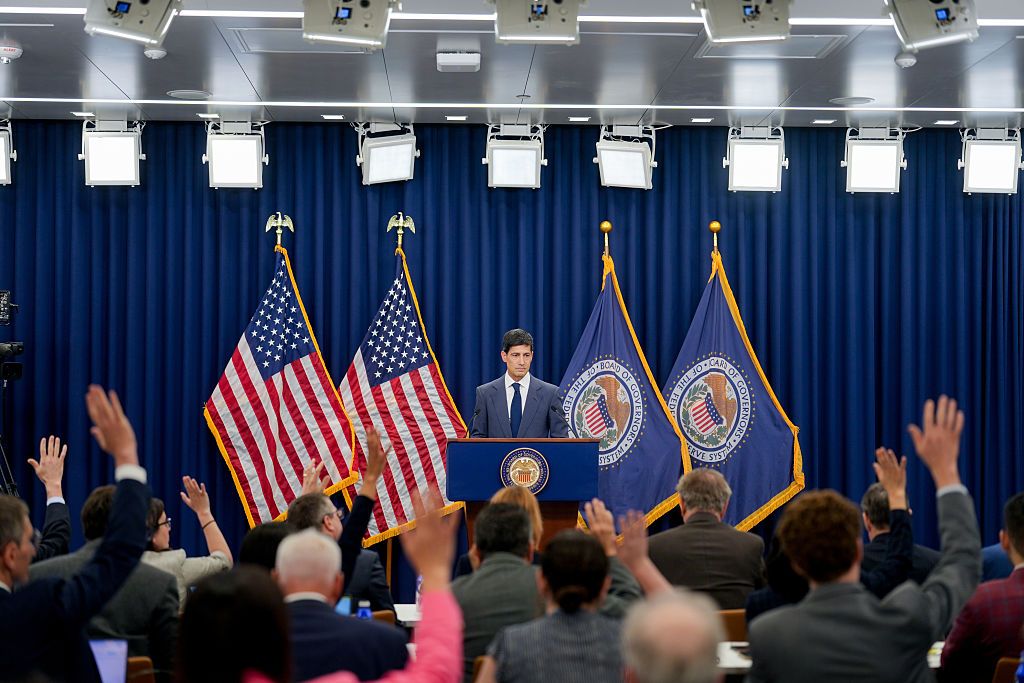
The stock market dropped 507 points on the Dow Jones Industrial Average after Federal Reserve Chair Kevin Warsh signaled the central bank's focus on maintaining price stability rather than cutting interest rates soon. The S&P 500 and Nasdaq also retreated as investors processed his comments about the Fed's monetary policy direction.
Warsh's remarks suggest the Fed plans to keep interest rates steady for now. This matters because higher rates make borrowing more expensive for mortgages, car loans, and credit cards. They also reduce returns on savings accounts and money market funds, making bonds and CDs relatively less attractive compared to stocks that offer growth potential.
For ordinary savers, the takeaway is straightforward. If you're holding cash in high-yield savings accounts earning 4.5% to 5.3%, those rates remain competitive for now. Don't expect them to climb higher soon. Banks like Marcus by Goldman Sachs and Ally Bank have offered rates near these levels. Meanwhile, anyone planning to borrow should lock in rates before they potentially rise further.
Investors watching 401(k) and brokerage accounts took the market slide as a reality check. The 507-point Dow decline reflects selling pressure when investors realize rate cuts remain distant. Higher rates typically pressure stock valuations, especially for growth stocks that rely on future earnings.
The Fed's messaging around price stability indicates inflation remains a concern despite moderating from 2022 peaks. This supports the case for keeping rates elevated to cool demand and protect purchasing power.
For those with variable-rate debt like home equity lines of credit or adjustable-rate mortgages, Warsh's comments suggest monthly payments won't drop soon. Lock in fixed rates if you plan major expenses.
The market's reaction underscores a core principle. Stock prices move on Fed policy expectations. When rate-cut hopes fade, equities sell off.