# The Social Security Tax Surprise Waiting for Middle-Income Retirees
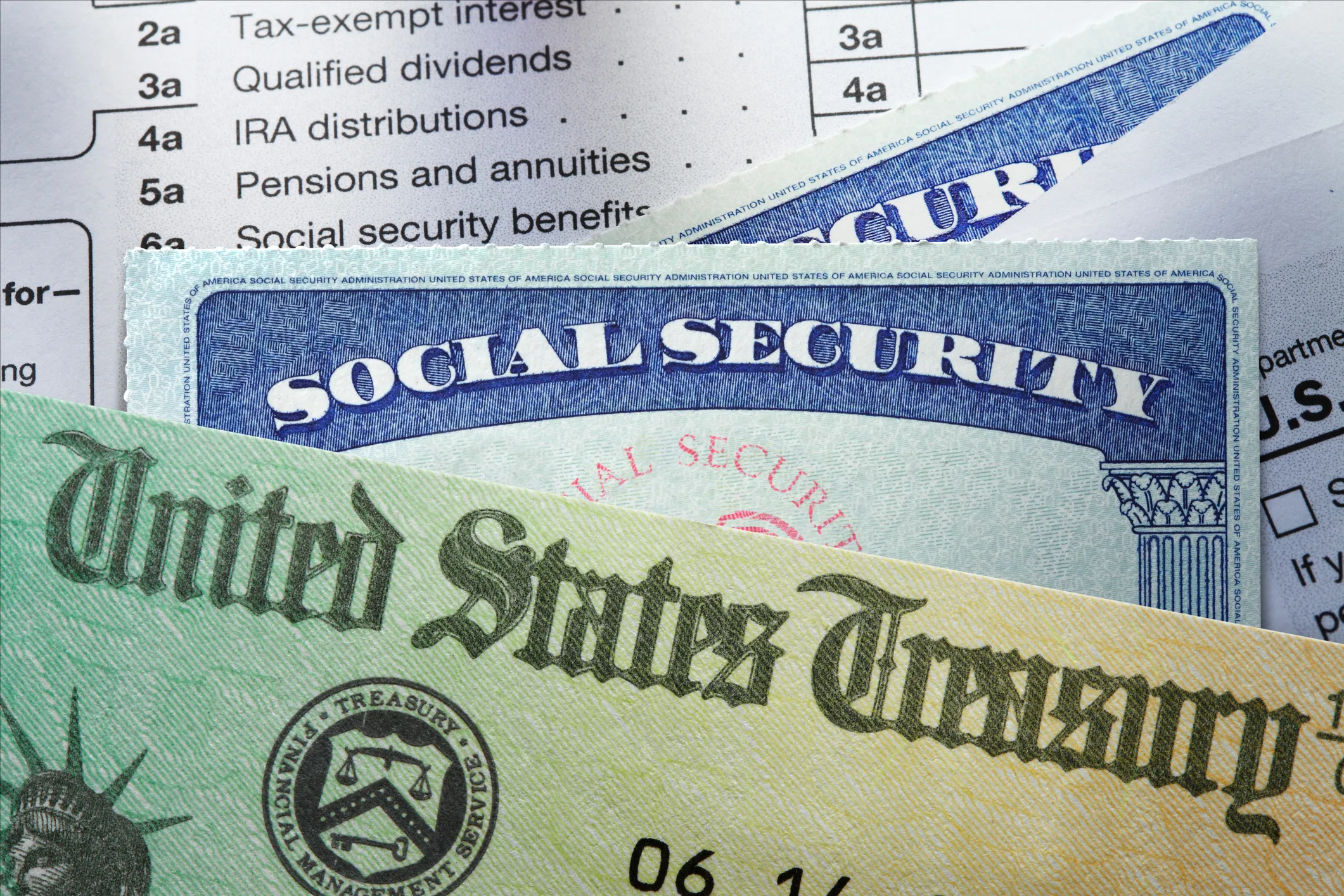
Middle-income retirees often overlook a hidden tax bite that can erode their Social Security income. Up to 85% of your benefits become taxable at the federal level if your combined income exceeds certain thresholds, yet most people don't discover this until filing their first tax return in retirement.
The IRS calculates "combined income" by adding your adjusted gross income, non-taxable interest, and half your Social Security benefits. For single filers, taxation begins at $25,000 of combined income. Married couples filing jointly hit the threshold at $32,000. These limits haven't budged since 1984, meaning inflation has pushed millions of middle-class retirees into unexpected tax liability.
Here's the practical impact. A retired couple receiving $30,000 annually in Social Security benefits plus $20,000 from a pension reaches $55,000 in combined income. This $23,000 overage triggers taxation on up to 85% of their Social Security. They could owe federal income tax on roughly $19,550 of what they thought was untaxed retirement income.
The tax applies only to the amount exceeding the thresholds, not your entire benefit. Single retirees earning between $25,000 and $34,000 in combined income pay tax on up to 50% of benefits. Those exceeding $34,000 pay on up to 85%. The system penalizes those with multiple income streams like pensions, investment dividends, and part-time work.
Planning ahead matters. If you're considering working part-time in retirement or claiming Social Security before age 70, calculate your combined income first. Some retirees delay benefits specifically to lower their combined income and reduce taxation. Others shift investment accounts to tax-