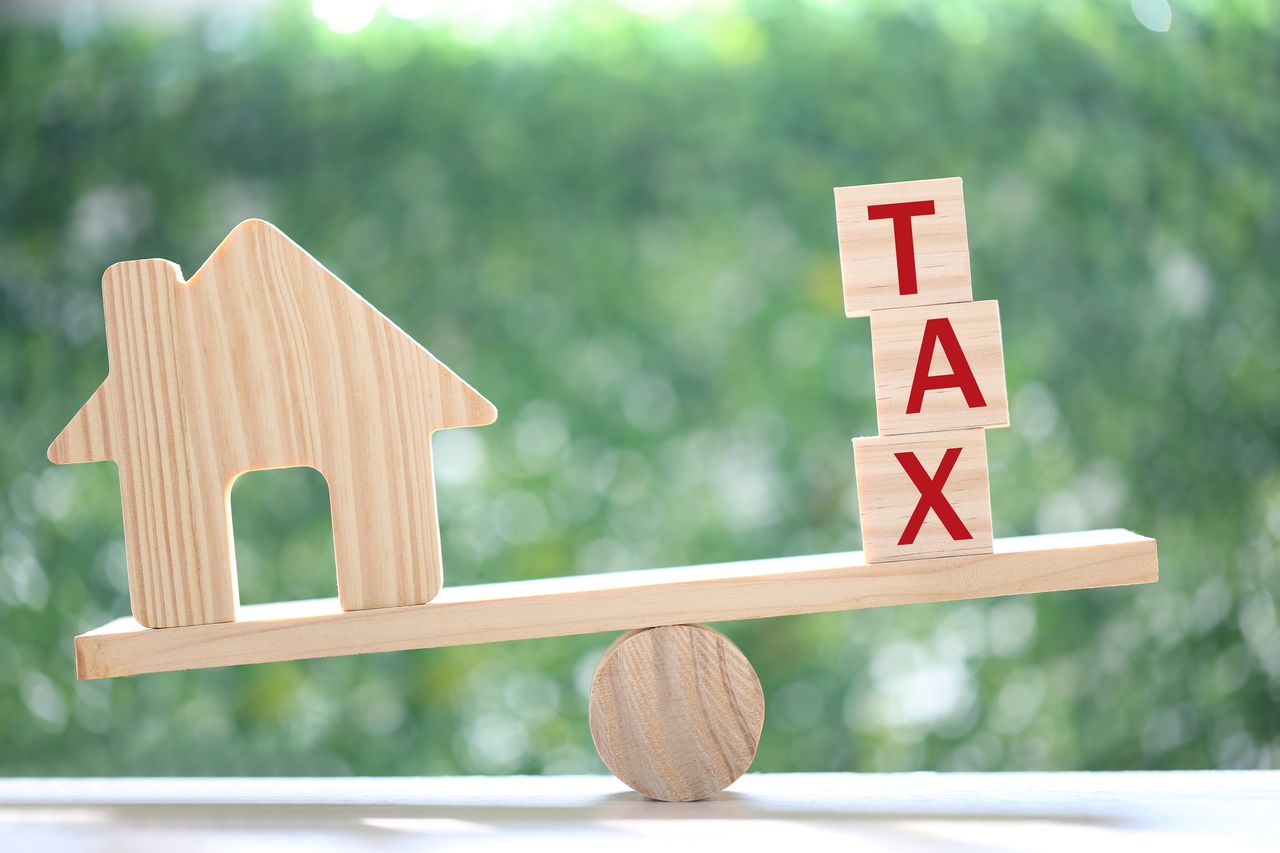
Florida voters will decide this fall whether to raise the homestead exemption cap to $250,000, up from the current $50,000. The amendment aims to cut property tax bills for homeowners on their primary residences.
Here's how it works now. Florida allows homeowners to exempt $50,000 of their home's assessed value from property taxes. A home assessed at $300,000 pays taxes on only $250,000. The proposal doubles that exemption threshold to $250,000, meaning a $300,000 home would pay taxes on just $50,000 of value.
The math favors wealthy homeowners. A person with a $500,000 primary residence saves far more in annual taxes than someone with a $200,000 home. High-value properties get the biggest relief.
Cities and counties depend on property tax revenue to fund schools, roads, police, and emergency services. Florida's local governments collected roughly $30 billion in property taxes last year. The amendment could reduce that substantially, though estimates vary.
Here's the catch. Local officials warn they'll need to raise fees elsewhere to maintain services. Water bills, garbage collection fees, licensing costs, and other local charges could all climb. Homeowners might trade lower property taxes for higher utility bills and service fees. Some municipalities could cut services instead, affecting fire response times or road maintenance.
School funding presents another concern. Florida schools rely heavily on property tax dollars. A smaller tax base means less money for classrooms unless the state compensates, which requires legislative action.
Renters won't benefit at all from this amendment. They pay no property taxes and see no direct savings. If local fees rise, renters face higher costs with no offset.
The amendment also excludes investment properties and second homes. Only primary residences qualify for the expanded exemption.
Supporters argue the measure helps long-term residents