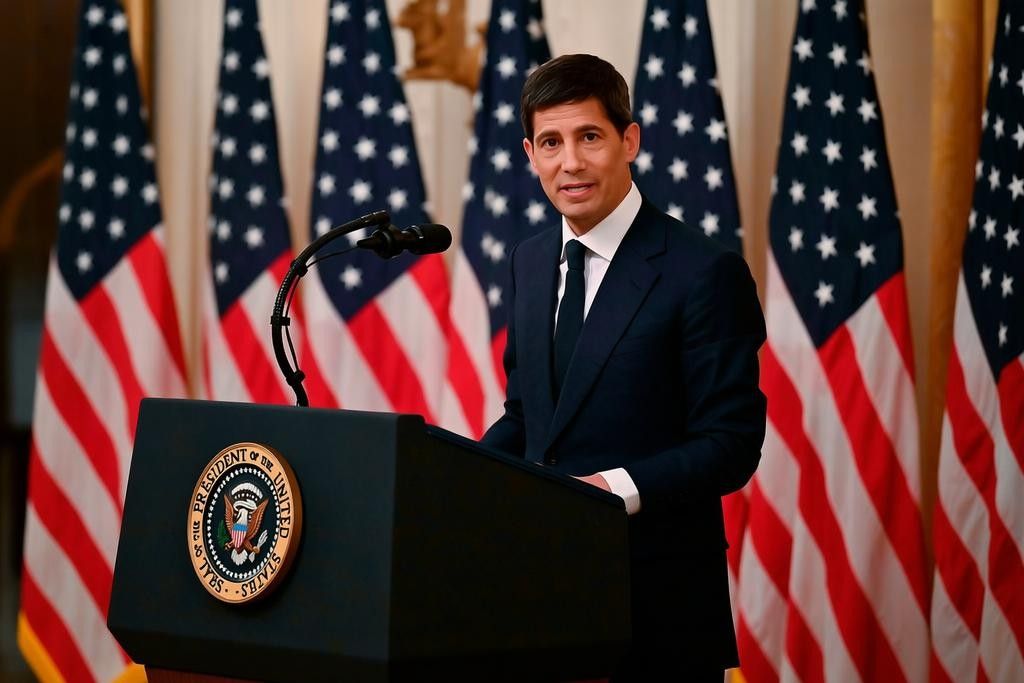
Kevin Warsh steps into his new role as Federal Reserve chair during a volatile period for monetary policy. The Fed's June meeting will likely hold interest rates steady as energy prices continue to push inflation higher, complicating the central bank's path forward.
Warsh's appointment marks a significant transition in Fed leadership. His first major decision comes as the central bank faces conflicting economic signals. Oil and gas prices remain elevated, feeding into broader price pressures that make rate cuts difficult to justify right now. The Fed typically needs confidence that inflation is trending toward its 2% target before cutting rates. Higher energy costs undermine that confidence.
Market observers don't expect rate changes at this meeting. The federal funds rate will probably stay in its current range, which has sat between 5.25% and 5.50% for months. This matters directly for your savings accounts, money market accounts, and any variable-rate loans you carry. Banks that offer high-yield savings accounts currently paying around 4.5% to 5% annually will likely maintain those rates if the Fed holds. Borrowers with adjustable-rate mortgages or credit cards face the same scenario: no immediate relief from higher payments.
Warsh brings a different perspective to the Fed chair position than his predecessor. His background in investment banking and his views on financial regulation suggest a potential shift in how the Fed approaches its regulatory role. However, his first meeting will focus on the immediate inflation challenge.
Energy prices remain the wild card. If crude oil climbs further, the Fed may signal caution about future rate cuts even if it holds steady this month. Conversely, if energy costs stabilize or decline, the path to eventual rate reductions becomes clearer for savers frustrated with rate uncertainty.
For everyday consumers, the takeaway is straightforward. Your savings rates won't improve at this meeting. Fixed-rate borrowers face no payment changes. Variable