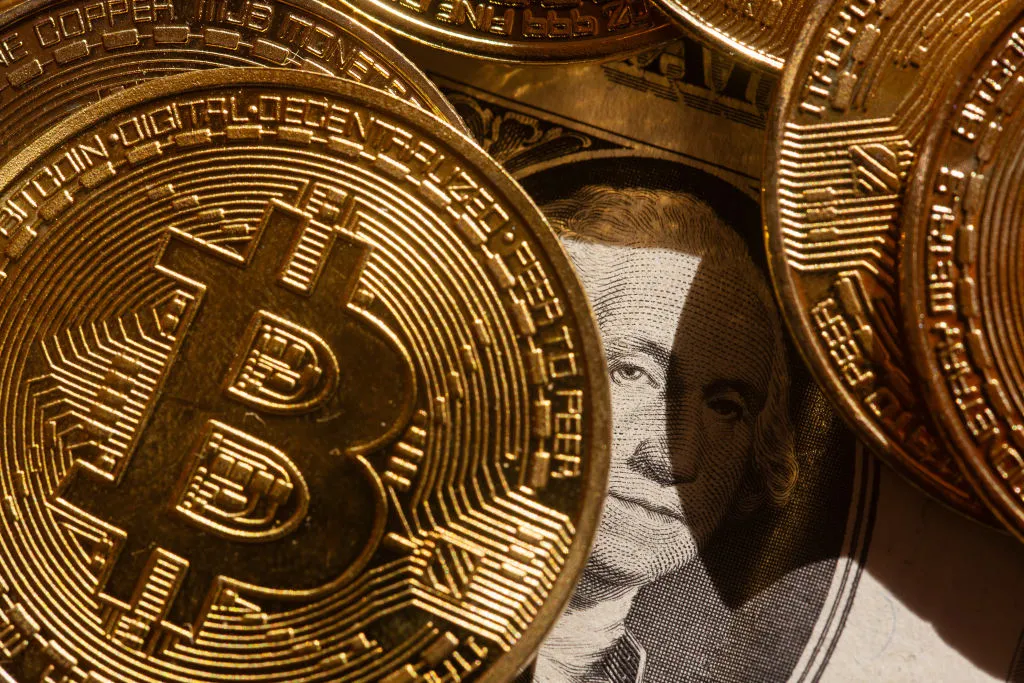
# Gold, Crypto, or Cash? Where 2026 Investors Should Put Their Money
Investors face a three-way choice in 2026 as economic uncertainty reshapes portfolio strategy. Gold, cryptocurrency, and cash each offer distinct advantages and drawbacks that depend on individual risk tolerance and financial goals.
Gold serves as a traditional hedge against inflation and currency weakness. Physical gold and gold ETFs like GLD provide tangible assets that hold value during market downturns. The downside: gold generates no income and storage costs reduce returns over time.
Cryptocurrency, particularly Bitcoin and Ethereum, attracts investors seeking high growth potential. Digital assets operate independently of central banks and offer portfolio diversification. However, crypto remains volatile. Bitcoin swung from $26,000 to $70,000 in 2023 alone. Regulatory uncertainty and security risks persist, making crypto unsuitable for risk-averse savers.
Cash remains underrated by many investors. Money market funds now yield 4-5 percent annually through products like Vanguard Federal Money Market Fund and Fidelity Government Money Market Fund. High-yield savings accounts from Marcus by Goldman Sachs and Ally Bank offer similar rates with FDIC protection. Cash provides stability and liquidity without the volatility of stocks or crypto. The trade-off: returns barely outpace inflation once taxes apply.
The optimal strategy depends on your situation. Conservative investors prioritize cash and money market funds for safety. Moderate investors might split assets between cash (40 percent), gold (20 percent), and stocks (40 percent). Aggressive investors comfortable with volatility can allocate to crypto and growth stocks while maintaining an emergency fund.
Your time horizon matters too. Long-term investors weathering market swings tolerate crypto exposure better than those needing funds within two years. Age also factors in. Younger investors can absor