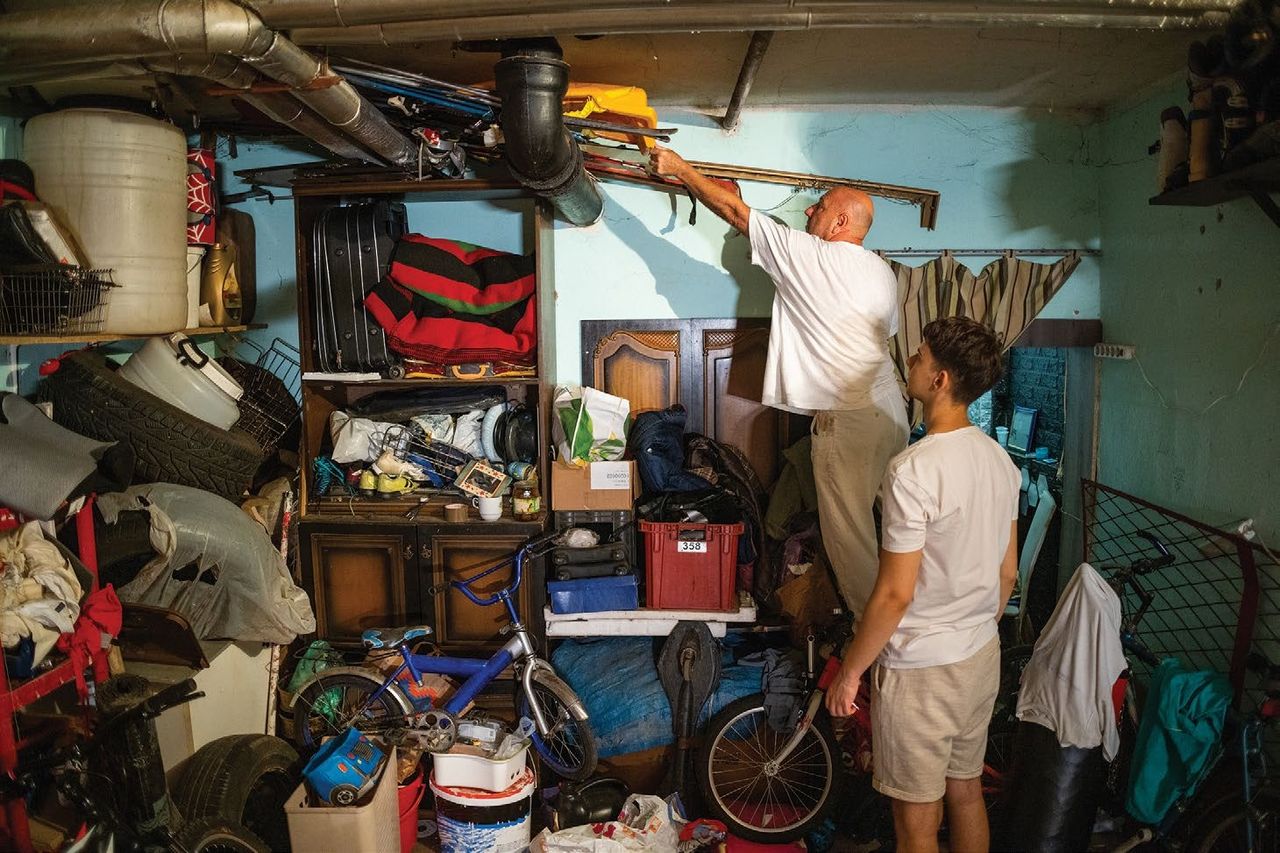
Decluttering your home involves practical steps that protect your finances and simplify life for your heirs. Starting early beats leaving the task to family members who may face emotional strain and logistical costs.
The first step is honest assessment. Walk through your home and categorize items into keep, sell, donate, or discard. This takes time but prevents waste and identifies valuable possessions you forgot you owned. Many people discover jewelry, collectibles, or electronics worth hundreds or thousands sitting in closets.
Selling items generates cash. Online platforms like Facebook Marketplace, eBay, and Craigslist move furniture and electronics quickly. Specialty buyers purchase vintage clothing through Depop or Vestiaire Collective. Estate sale companies handle larger collections for a commission, typically 30 to 40 percent of proceeds. The alternative, donating to charities like Goodwill or the Salvation Army, provides tax deductions that reduce your tax bill.
Organization matters for your beneficiaries. Create an inventory of valuable items with their locations. Store important documents, account numbers, and passwords in one accessible place. This prevents family members from searching frantically or missing assets entirely. Insurance policies, deed information, and investment accounts should all be documented.
Digital clutter counts too. Delete unused email accounts, cancel subscriptions you no longer use, and organize digital photos. These steps reduce monthly expenses and simplify the task for whoever handles your estate.
Timing advantages those who act now. You control the pace and keep proceeds from sales. Your family avoids the burden of sorting through decades of accumulation while grieving. Professional organizers charge $50 to $150 per hour and accelerate the process significantly.
Start with one room or category. Tackle the bedroom closet, kitchen cabinets, or garage. Small wins build momentum. As you remove items, you'll notice your space feels larger