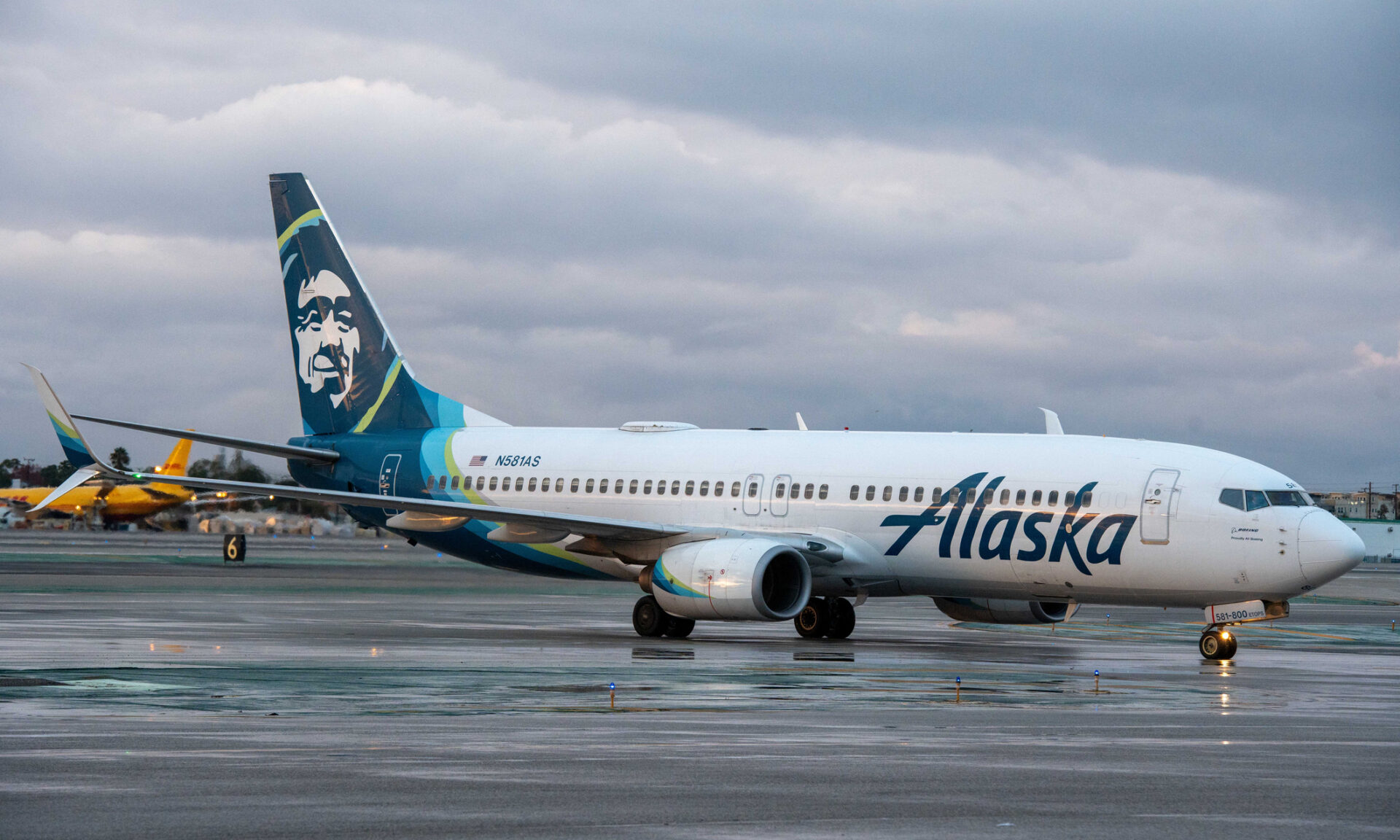
Alaska Airlines is making three changes to its frequent flyer program, effective June and July. The carrier will stop allowing members to earn miles on Saver fare tickets, raise fees for award ticket bookings, and increase charges for phone-based reservations.
Ending mile earning on Saver fares hits budget-conscious travelers hardest. These discounted tickets already offer lower base fares, and now passengers won't accumulate loyalty rewards on those bookings. Customers who regularly book Alaska's cheapest options will see their mileage balance grow more slowly, even as they spend money on airfare.
Award ticket fees are going up across the board. Alaska Airlines hasn't specified exact new amounts in this announcement, but the increases will make it costlier to redeem accumulated miles for free or discounted flights. Frequent flyers who've been saving miles for premium redemptions face higher out-of-pocket costs when they finally use them.
Phone booking fees are rising too. This change penalizes travelers who prefer calling Alaska Airlines directly rather than using the airline's website or app. Older passengers and those uncomfortable with digital booking tools will shoulder extra charges for human assistance.
These moves reflect a broader airline industry trend. Carriers continuously tinker with frequent flyer programs to reduce payouts and boost ancillary revenue. Alaska Airlines generates extra income by discouraging the cheapest redemptions and pushing customers toward digital self-service.
For existing Alaska Airlines loyalty members, the practical impact depends on booking habits. Those who buy Saver fares regularly should expect slower mile accumulation. High-frequency flyers planning award bookings should act before July if possible, locking in current fee structures. Members who call for reservations should consider switching to online booking to avoid new charges.
Consumers shopping for airline cards or considering which carrier to support should factor these changes into loyalty program value calculations. Alaska's program becomes less rew