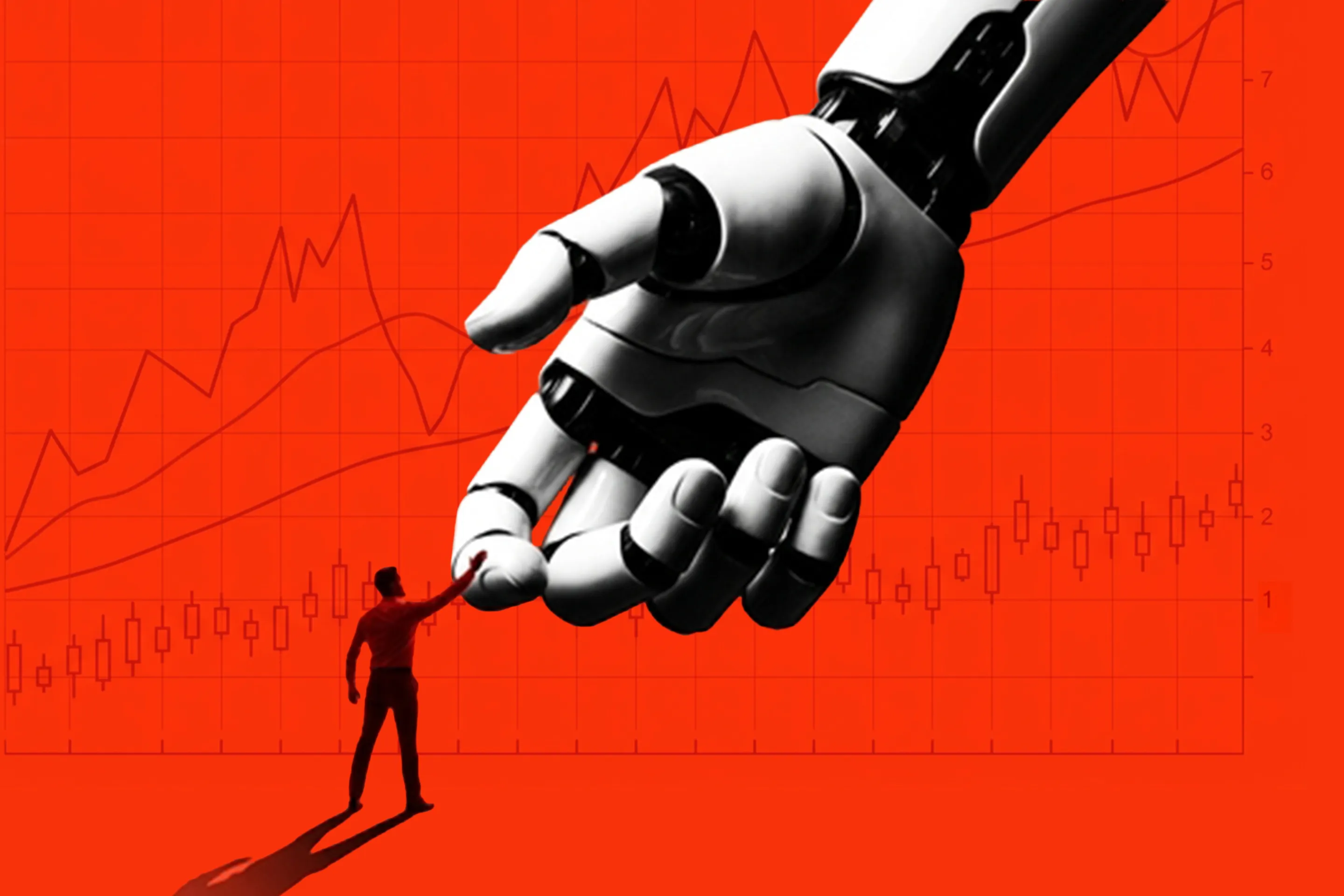
Artificial intelligence now offers retail investors a new tool: autonomous trading systems that make buy-and-sell decisions without human intervention. These "agentic" trading platforms use algorithms to execute trades based on predetermined rules and market data, theoretically removing the emotional decision-making that costs investors billions annually through panic selling and overconfidence.
The appeal is straightforward. Research shows that emotion-driven trading produces poor returns. Investors often buy high during market euphoria and sell low during crashes. AI systems don't experience fear or greed. They follow logic.
But automation carries real risks that investors must weigh carefully.
First, algorithmic systems depend entirely on their underlying rules. A poorly designed algorithm will trade poorly, just faster. If the AI model was trained on outdated market conditions, it won't adapt well to new environments. The 2010 flash crash, when the S&P 500 dropped nearly 10 percent in minutes, demonstrated how automated trading can amplify problems rather than solve them.
Second, fees matter. Many agentic trading platforms charge subscription costs or take a cut of profits. These fees can easily exceed the modest returns an algorithmic system generates, especially in calm markets where emotional trading isn't even a problem.
Third, tax efficiency varies wildly. Frequent automated trading in taxable accounts generates constant capital gains, which could trigger significant tax bills that offset any performance gains.
For most investors, the traditional advice remains sound: build a diversified portfolio of low-cost index funds through a brokerage like Vanguard, Fidelity, or Charles Schwab, then hold for decades. This passive approach avoids the emotional mistakes that agentic trading promises to solve. You achieve the same goal with zero fees and simpler tax reporting.
AI trading makes sense only for investors with substantial assets, high risk tolerance, and detailed understanding of how the specific algorithm works.