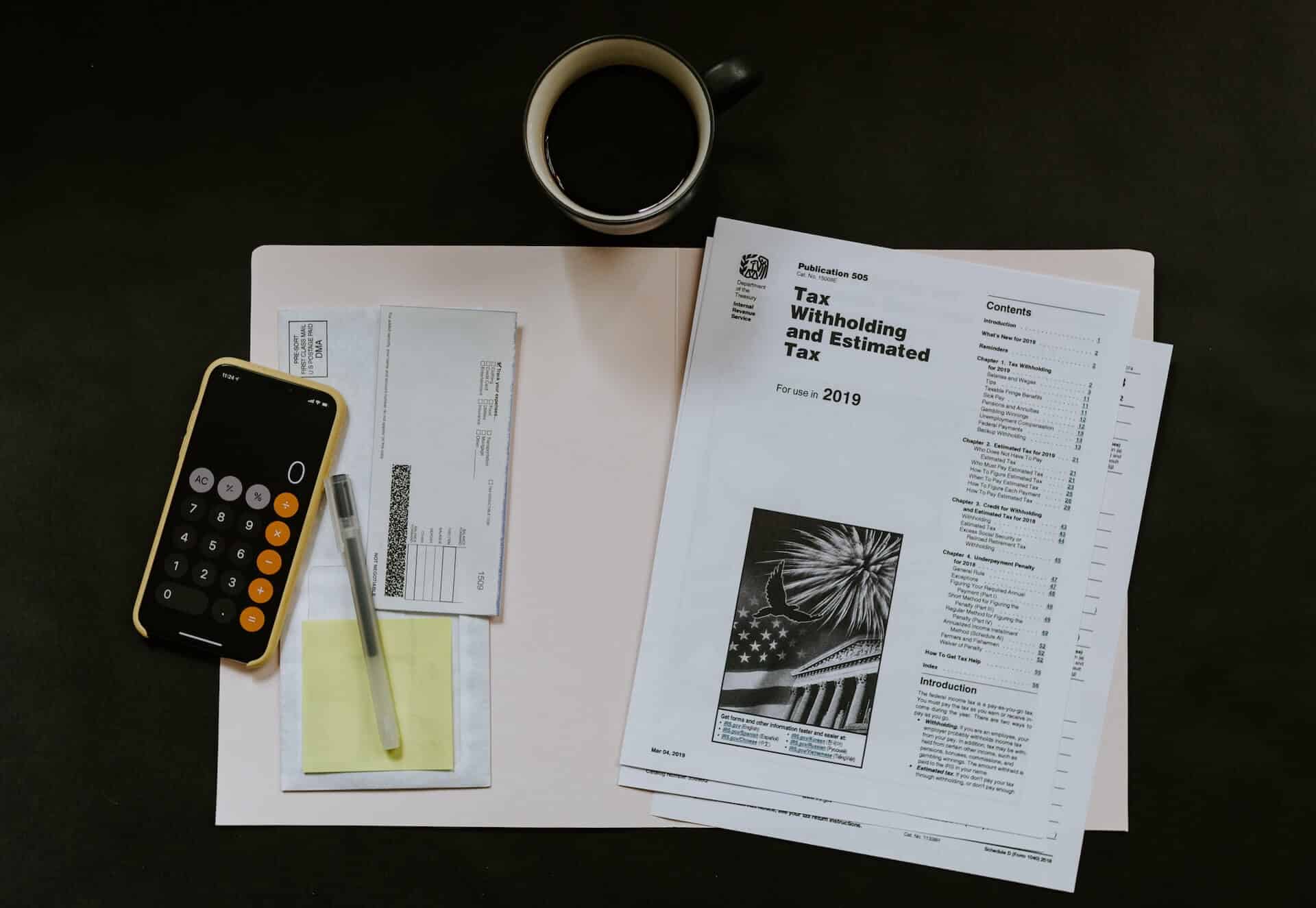
Tax season brings a familiar question: should you file yourself or pay someone to do it? The answer depends on your situation and wallet.
Three main options dominate the tax prep landscape. DIY software like TurboTax, H&R Block, and TaxAct costs between $60 and $200 depending on complexity. These work well if your return is straightforward—W-2 income, standard deduction, maybe one rental property. The software walks you through each section and flags common mistakes.
Tax professionals come next. Certified public accountants and enrolled agents typically charge $150 to $400 per hour or flat fees ranging from $500 to $2,500 for complex returns. You'll benefit here if you own a business, have multiple income streams, rental properties, or significant investment losses to carry forward. A professional catches deductions you'd miss and handles audits if needed.
Franchise tax services like H&R Block, Jackson Hewitt, and Liberty Tax sit between these poles. Prices run $150 to $400 for simple returns and jump to $800 or more for complex ones. Staff training varies widely, so quality depends on your local office.
Free options exist too. The IRS Free File program partners with software companies to offer free basic returns if you earn under $79,000. Community organizations often provide free help through VITA (Volunteer Income Tax Assistance). The Trade-off: free service typically moves slower and may feel less personalized.
The real cost calculation isn't just the fee. DIY takes your time—often 5 to 10 hours for moderately complex returns. Professionals save that time but cost more upfront. However, a good tax pro often identifies deductions that pay for their fee, especially if you're self-employed or have investments.
Self-employed individuals benefit most from professional help. Business