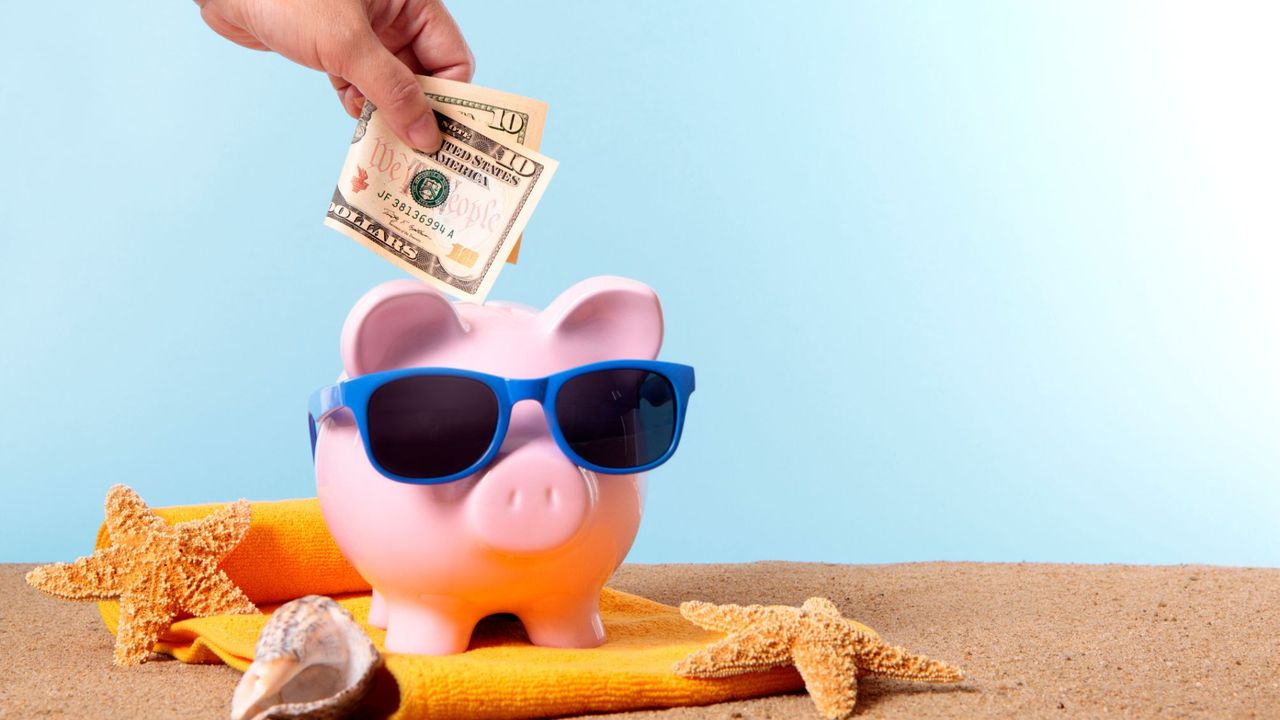
Summer offers a natural window to boost your savings before fall expenses hit. A structured five-step challenge creates accountability and turns saving into a manageable habit rather than an overwhelming goal.
Here's how the challenge works. Step one involves setting a specific dollar target for the summer months, typically June through August. Rather than aiming vaguely to "save more," pick a concrete number like $1,500 or $2,000. This gives you a finish line to work toward.
Step two requires identifying your leakage points. Track spending for one week to spot where money disappears. Many people find subscriptions they forgot about, frequent coffee runs, or impulse online purchases drain their accounts. Cut the obvious waste first.
Step three focuses on redirecting that freed-up money straight to savings. Automate transfers from your checking account to a high-yield savings account the day you get paid. Ally Bank, Marcus by Goldman Sachs, and American Express Personal Savings currently offer rates around 4.25 to 4.50 percent. This removes temptation from your spending account.
Step four involves finding seasonal income boosts. Summer often brings opportunities like yard work, freelance projects, pet sitting, or selling items you no longer need. Direct 100 percent of this windfall income to your savings goal rather than lifestyle spending.
Step five wraps up by reviewing your progress in late August. If you're on track, celebrate the win. If you're behind, adjust spending or identify additional income sources for the final weeks.
The timing matters. Building a cushion before Thanksgiving shields you from holiday spending stress and back-to-school costs. Families facing September tuition payments or those planning holiday gifts benefit most from this approach.
A $1,500 summer savings challenge breaks down to roughly $500 per month or $115 per week. Most households can find this