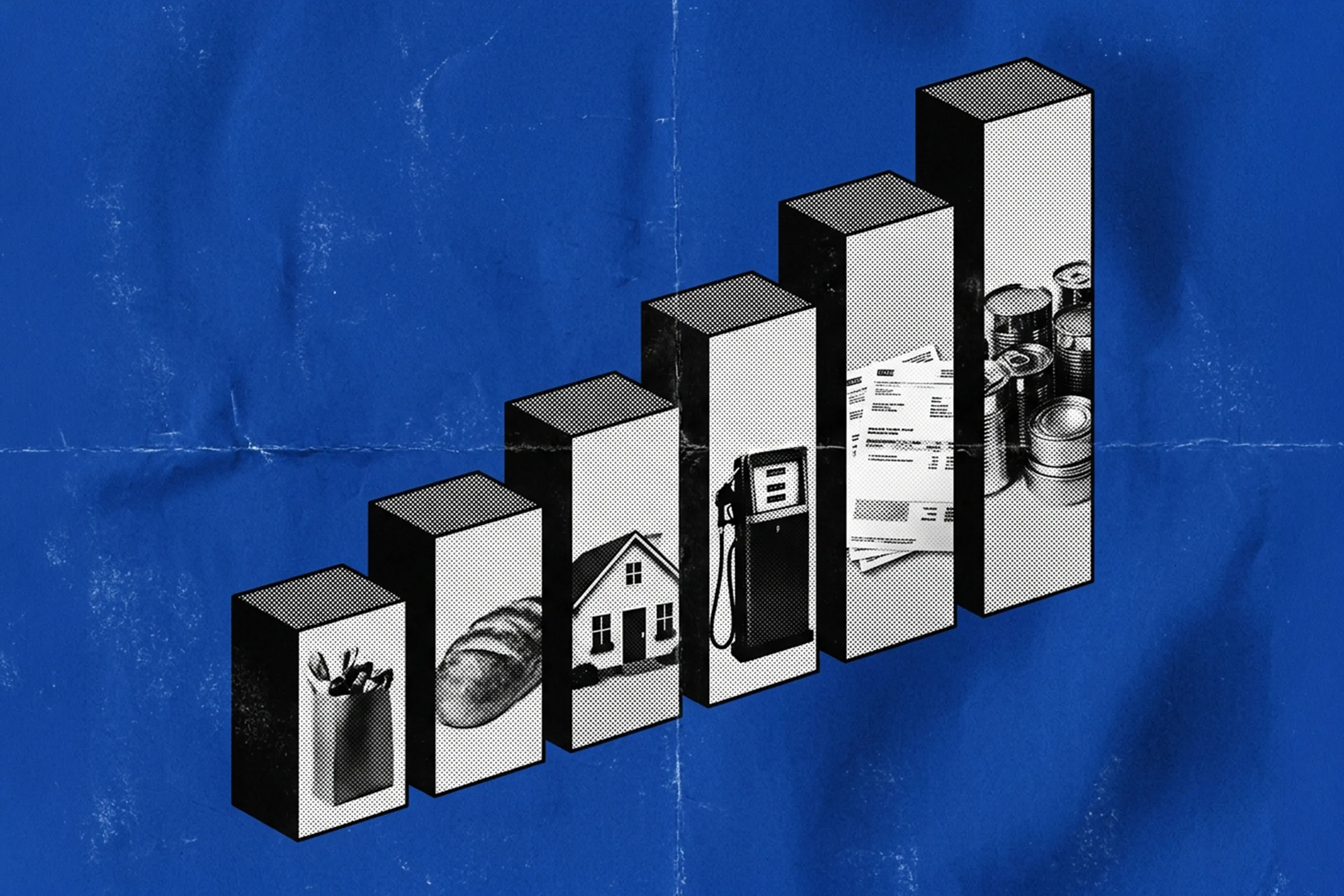
Social Security's cost-of-living adjustment (COLA) for 2025 is tracking higher as inflation accelerates to its fastest pace in three years. The Social Security Administration will announce the final COLA figure in October, but current inflation trends suggest beneficiaries could see a larger benefit increase than the 3.2% bump they received in 2024.
Here's what matters for your wallet. The COLA directly affects the monthly check every retiree receives. A bigger adjustment means more income starting in January. For someone collecting $1,800 monthly, a 4% COLA would add roughly $72 per month, or $864 annually. Even small percentage changes compound into real money over a retirement that could span decades.
The COLA calculation ties directly to the Consumer Price Index for Urban Wage Earners and Clerical Workers (CPI-W), which the government tracks monthly. When inflation rises, this index climbs, which triggers a higher COLA announcement. Three-year inflation highs suggest wage earners have felt real pressure on groceries, gas, and housing costs. Retirees experience those same pressures, so the COLA adjustment attempts to preserve purchasing power.
This remains preliminary. The Social Security Administration collects inflation data throughout the year and makes its final COLA determination in October based on summer months' data. Beneficiaries won't know the exact percentage until then. Even so, financial planners watch these trends closely because they ripple through retirement budgets and fixed-income planning.
For workers still years away from retirement, today's COLA forecast carries less immediate weight but signals something worth noting. If inflation remains elevated and Social Security's long-term trust fund faces continued pressure, policymakers may eventually revisit how COLA adjustments work. Current law ties them to inflation regardless of the trust fund's solvency concerns.
Workers approaching Social Security