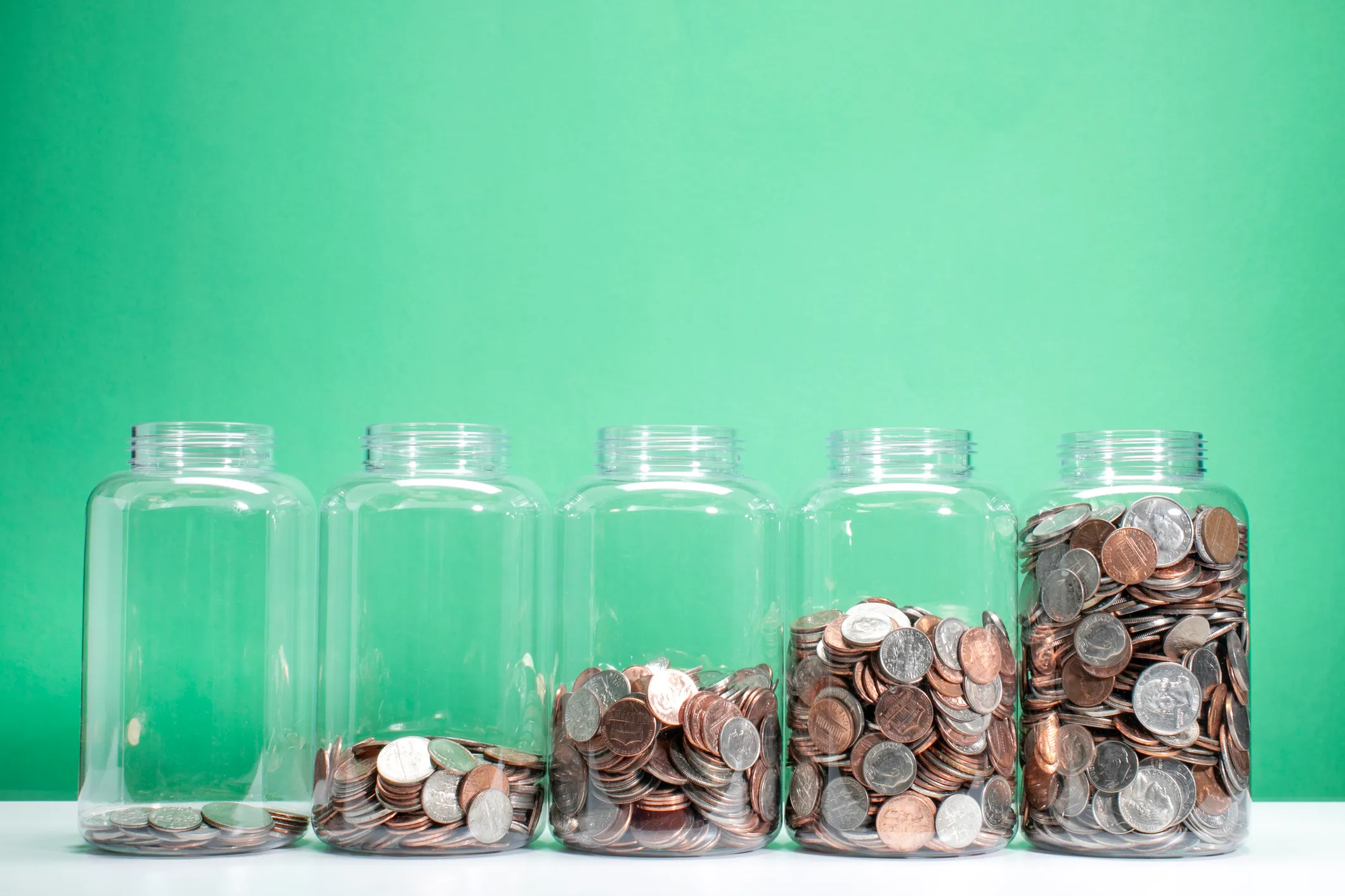
Banks are still offering pittance on standard savings accounts while high-yield savings accounts deliver rates five to ten times higher. If your money sits in a traditional savings account earning 0.01% annually, you're handing the bank free money.
High-yield savings accounts (HYSAs) currently pay between 4.5% and 5.35% APY, depending on the institution and market conditions. That gap matters. On a $10,000 balance, a standard savings account at a major bank earns roughly $1 per year. The same $10,000 in an HYSA generates $450 to $535 annually. Over five years, that's a $2,000+ difference on the same principal.
The best part: HYSAs offer full liquidity. Your cash remains accessible for emergencies or opportunities. You're not locking money away in certificates of deposit or bonds. Banks like Marcus by Goldman Sachs, Ally Bank, and Capital One 360 offer competitive rates without monthly fees or minimum balances. Online banks pass savings to customers because they operate with lower overhead than brick-and-mortar branches.
The catch is minimal. HYSAs are FDIC-insured up to $250,000, matching traditional accounts. Interest rates fluctuate with the Federal Reserve's decisions, so today's 5.35% might drop to 4% if the Fed cuts rates. But that risk exists everywhere. At least an HYSA adapts faster than most savings vehicles.
Move your emergency fund, short-term savings, or any cash you're not investing into an HYSA immediately. The switching process takes minutes. Most online banks let you link existing accounts and transfer money electronically. You don't need perfect timing or complex strategy. You simply need to stop settling for near-zero returns.
If you've kept money in