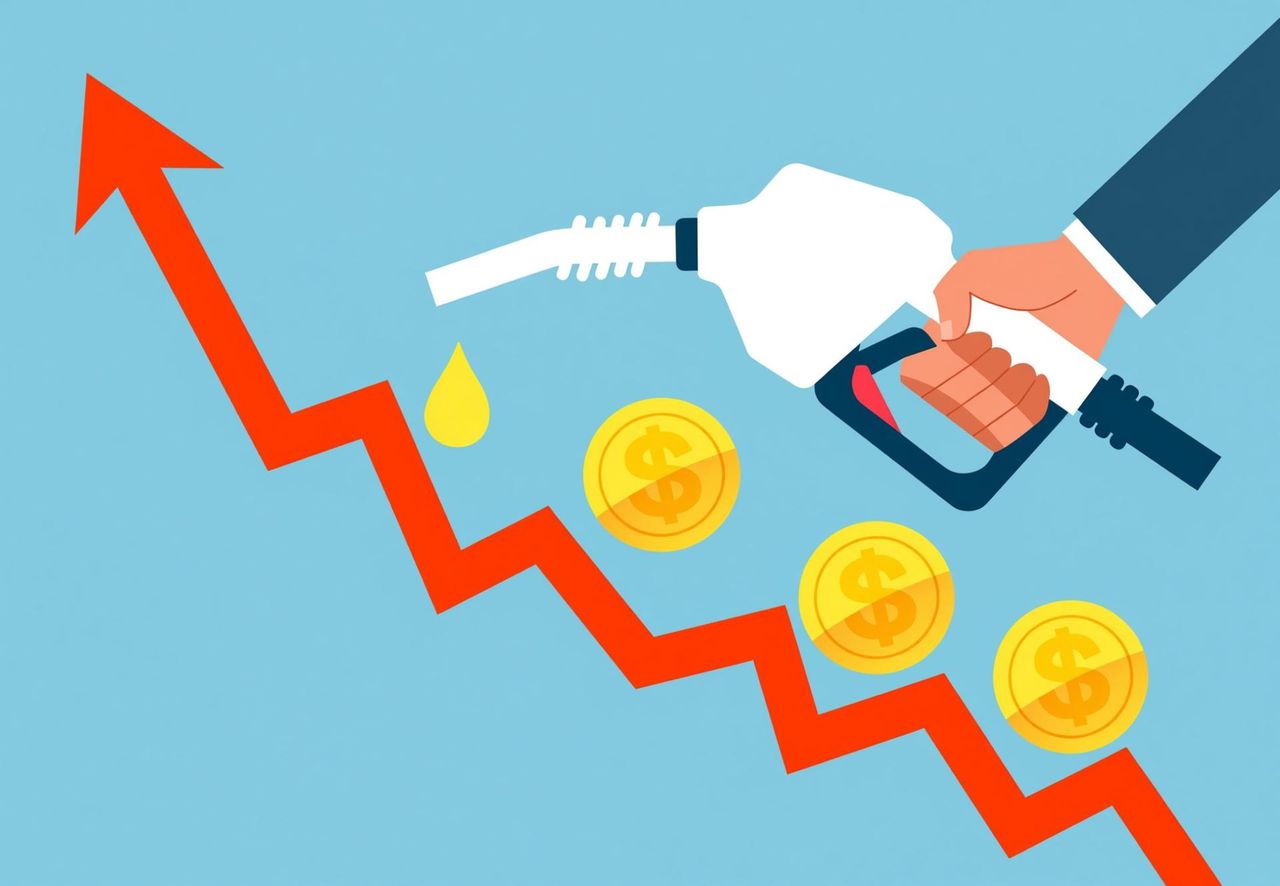
Inflation hit 4.2 percent in the latest Consumer Price Index report, putting pressure on savers to find accounts that actually beat price increases. Most traditional savings accounts fail this test.
Banks still offer dismal rates. Chase, Bank of America, and Wells Fargo pay 0.01 percent APY on standard savings accounts. At these rates, your money loses purchasing power every month. A $10,000 deposit earns just $1 annually while inflation erodes roughly $420 in value.
High-yield savings accounts tell a different story. Marcus by Goldman Sachs currently offers 4.70 percent APY. American Express Personal Savings delivers 4.60 percent APY. Ally Bank's savings account reaches 4.50 percent APY. These rates move with market conditions but all beat the 4.2 percent inflation figure today. A $10,000 deposit at Marcus grows by $470 in a year while inflation costs $420 in buying power. Your real gain hits approximately $50.
Money market accounts offer similar benefits. Vio Bank's money market account pays 4.85 percent APY. These accounts provide check-writing access and debit cards alongside competitive rates.
Certificate of Deposit (CD) rates matter too. One-year CDs at Marcus pay 4.60 percent APY. Ally Bank's one-year CD reaches 4.50 percent APY. These lock in rates for fixed periods, protecting you if rates decline.
Treasury I Bonds, issued by the U.S. government, combine inflation protection with fixed returns. The current composite rate is 5.27 percent, with a 4.28 percent inflation component that adjusts every six months. You must hold bonds for at least one year.
The gap between inflation and account rates narrows daily as the Federal