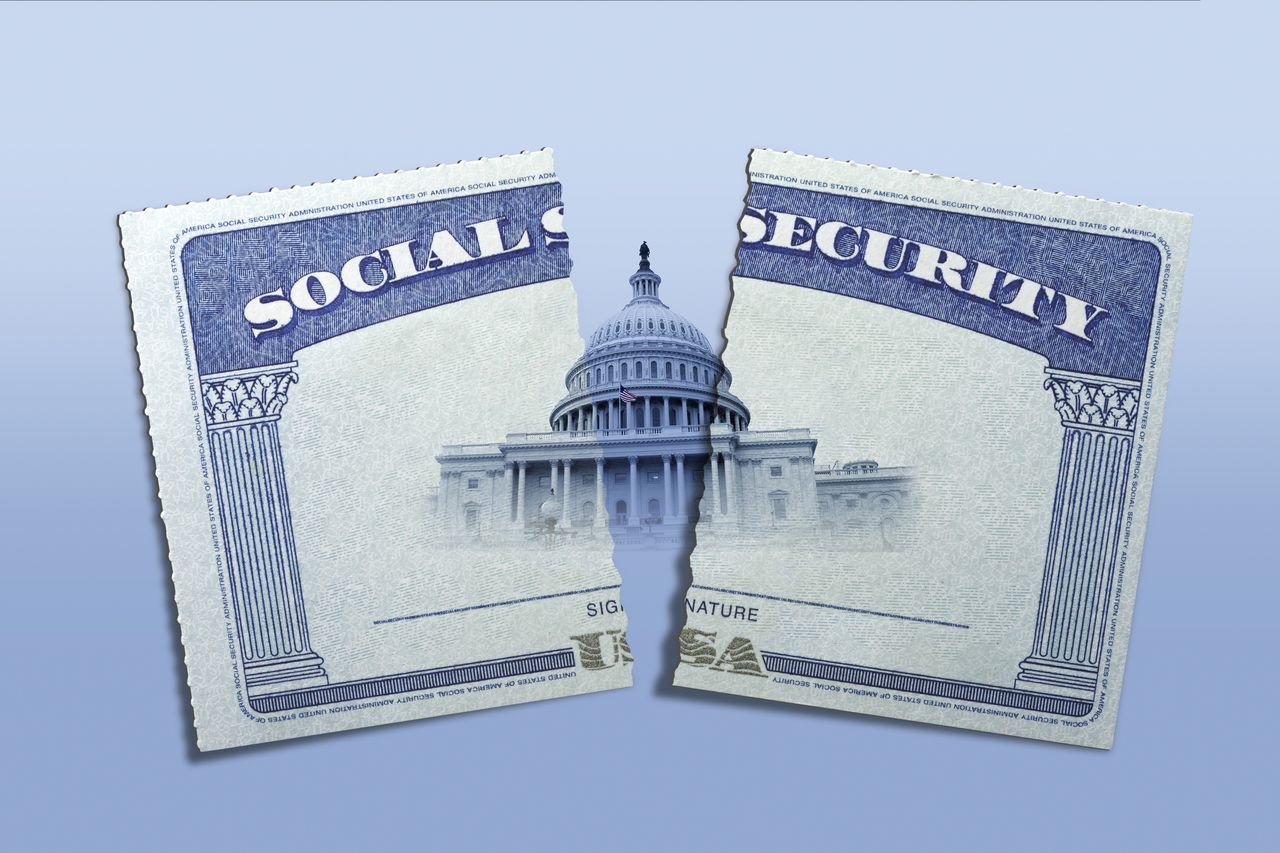
A proposed $6,000 tax deduction for seniors could create unintended consequences for Social Security's long-term finances, according to recent analysis.
The tax break targets adults 65 and older, offering them an additional deduction beyond the standard deduction they already receive. For 2024, the standard deduction for single filers aged 65+ stands at $20,550, and $41,100 for married couples filing jointly. A $6,000 senior bonus would stack on top of these amounts.
The concern centers on revenue. Social Security relies partly on income tax revenue from benefits themselves. When seniors reduce their taxable income through larger deductions, less tax flows into the system. Analysis shows this erosion could compound over time as the population ages and more retirees claim benefits simultaneously.
For ordinary savers, the math appears attractive at first glance. A $6,000 deduction saves roughly $1,200 to $2,200 in federal taxes, depending on your tax bracket. But the proposal raises a harder question: does short-term tax relief undermine the program's sustainability?
Social Security already faces a projected shortfall. The trust fund reserves are expected to deplete around 2033, after which incoming payroll taxes would cover only about 77 percent of scheduled benefits. Anything reducing revenue accelerates this timeline.
The counterargument exists. Supporters contend that helping seniors manage their tax burden frees up their limited retirement income for spending and living expenses. They note that many retirees live on modest incomes and struggle with tax liability on Social Security benefits.
The practical impact depends entirely on whether Congress passes this proposal. As of now, no legislation has become law. The debate reflects a broader tension in retirement policy: how to provide immediate relief without sacrificing long-term security.
Retirees should monitor tax law changes closely.