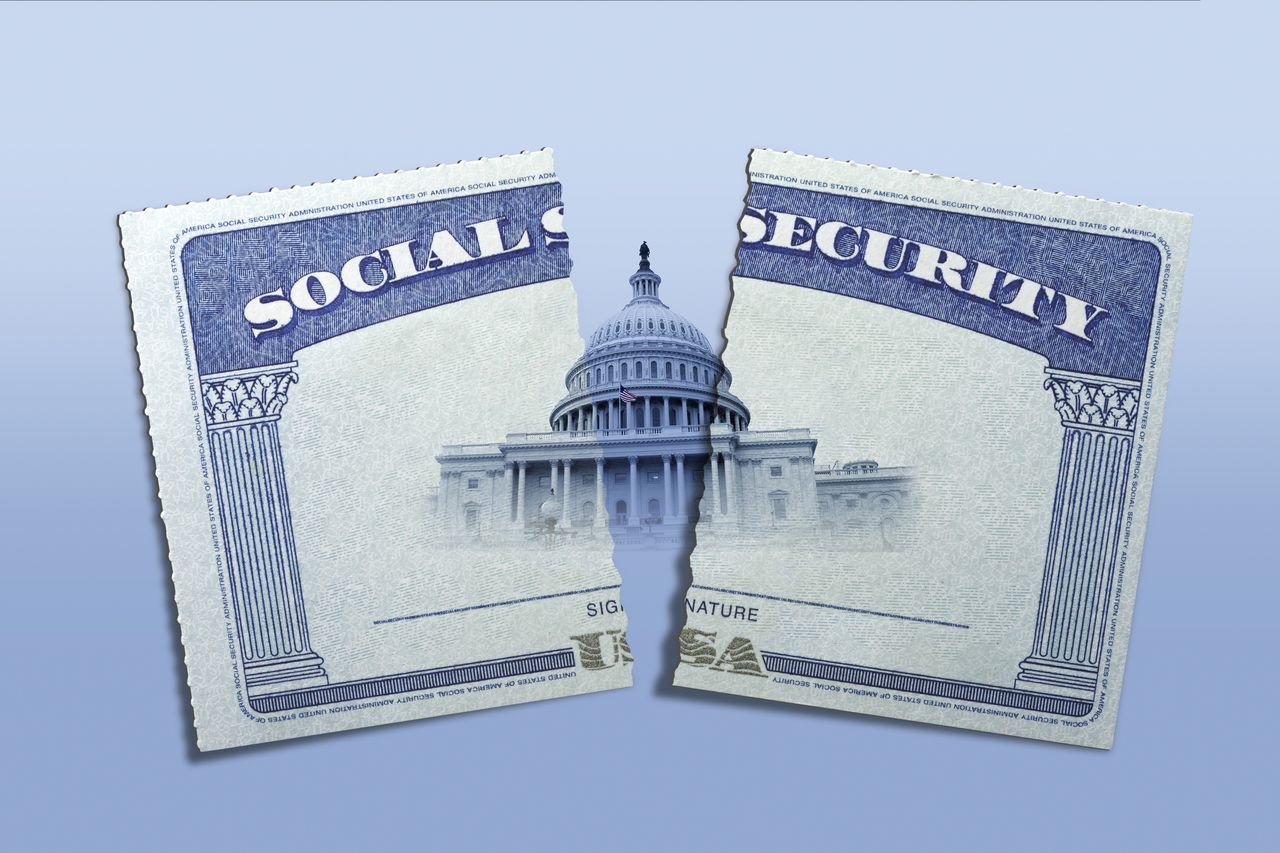
A proposed $6,000 tax deduction for seniors could backfire on Social Security, according to recent analysis. The deduction targets adults aged 67 and older, offering relief on taxable income. However, the policy threatens to reduce federal revenue that props up Social Security's funding mechanism.
Here's how it works. Social Security benefits already receive preferential tax treatment. Up to 85% of benefits remain tax-free for most retirees, depending on income thresholds. A new $6,000 deduction stacks on top of this existing benefit, creating a second layer of tax breaks exclusively for older adults.
The problem lies in funding. Social Security's trust funds rely partly on general revenue and payroll taxes. When the government forgoes tax revenue through deductions like this one, it must either cut spending elsewhere, raise taxes, or borrow more money. None of these options strengthen Social Security's long-term solvency. The program already faces a projected shortfall starting in 2035, when incoming revenue won't cover full benefit payments.
For individual retirees, the $6,000 deduction does provide immediate tax savings. A retiree in the 22% tax bracket saves roughly $1,320 annually. For those in higher brackets, savings climb higher. But these individual gains come with a collective cost.
The policy reveals a tension in retirement policy. Targeted tax breaks feel like tangible help to beneficiaries. Yet they erode the general fund that sustains broader programs. A direct approach, like simply increasing Social Security payments or raising the payroll tax cap, would address senior needs while transparently funding the program.
The deduction also creates administrative complexity. It applies only to certain age groups, requiring the IRS to track and verify eligibility. It privileges tax-filing retirees over those with simple returns and offers bigger benefits to higher-income seniors