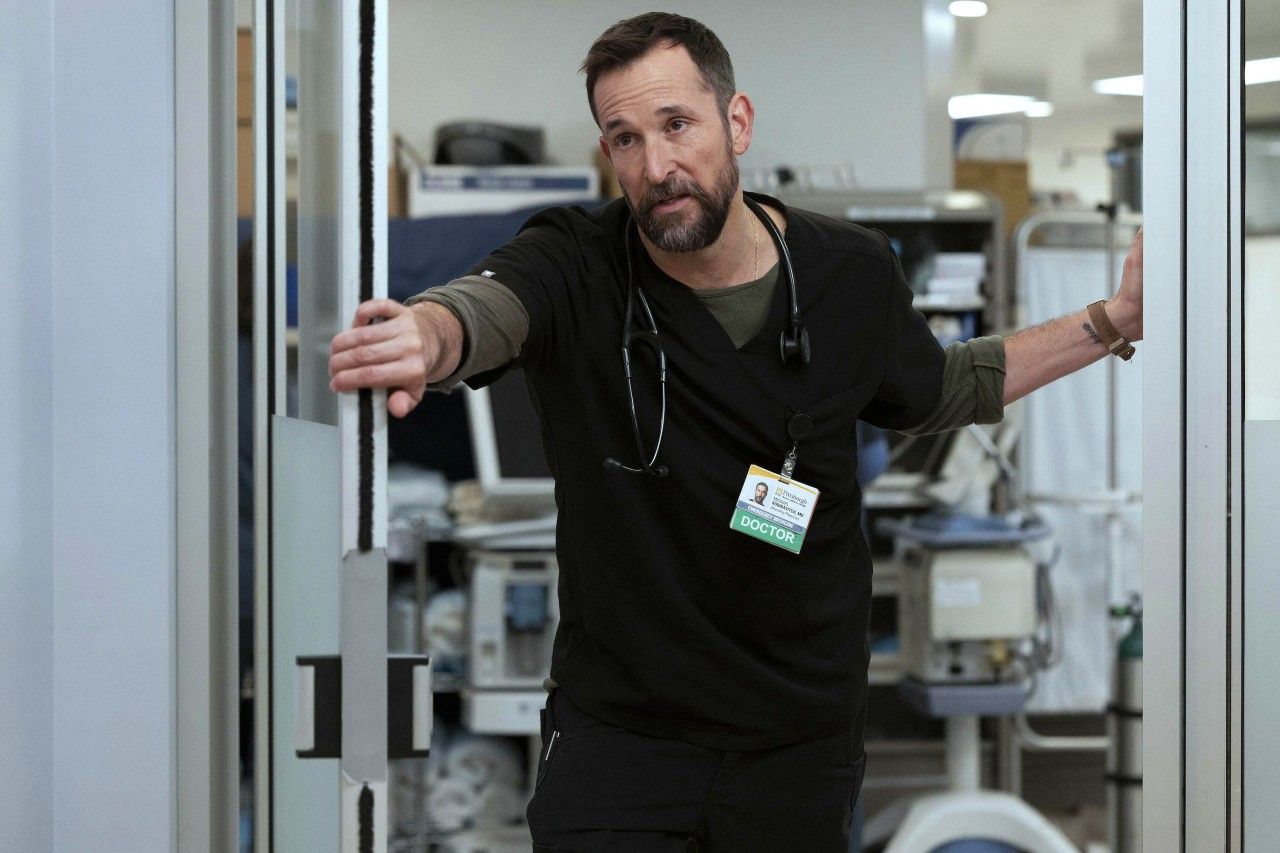
Brad Pitt's recent career decisions have sparked conversation about when to step back from work. The actor's selective approach to roles offers a practical lesson for retirement planning that extends beyond Hollywood.
Taking intentional breaks from your career differs from permanent retirement. Strategic pauses allow you to reassess priorities, recover from burnout, and return refreshed rather than burned out. This approach works for regular workers too, not just A-list actors with financial cushions.
Before you consider leaving your job permanently, evaluate whether a sabbatical makes sense. A three-month to one-year break can reset your perspective. Calculate your actual expenses during this period. Many people overestimate what they need to live on when they pause work. You might reduce spending naturally without the commute, work clothes, and stress-related purchases.
Test your retirement lifestyle during any career pause. Live on what you'd actually spend in retirement. Track your daily costs carefully. This reveals whether your retirement budget is realistic or inflated.
The financial math matters most. If you're not yet at your full retirement age or eligible for Social Security, a career break depletes savings faster than expected. A 55-year-old who steps away from work 10 years early could see dramatic changes to their Social Security benefit. At 62, benefits run 30 percent lower than at full retirement age. At 70, they run 24 percent higher.
Health insurance becomes your immediate concern during any break. COBRA coverage typically costs thousands monthly. Medicare doesn't start until 65. This gap represents real money. Budget aggressively for this period.
Consider a phased approach instead. Reducing to part-time work maintains income, health benefits, and purpose while creating breathing room. Many employers now offer this flexibility.
Pitt's example works because he built financial security over decades. Your strategic pause requires similar groundwork. Build an emergency fund covering