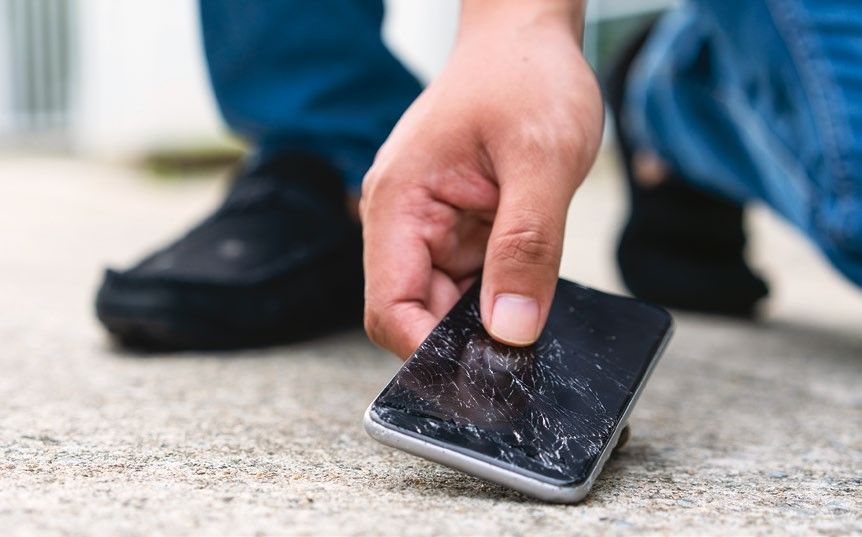
Smartphone insurance covers accidental damage, theft, and hardware failures—but the math often doesn't work in your favor.
Most carriers bundle protection plans into monthly bills. Verizon's Total Mobile Protection costs $15 per month. AT&T's Mobile Protect runs $14 monthly. T-Mobile's Protection Pack starts at $13. These plans typically include deductibles of $50 to $250 per claim, depending on your phone model and coverage tier.
The real question is simple: Will you actually use it? A flagship iPhone or Samsung Galaxy costs $800 to $1,200 outright. Spreading that cost across insurance premiums seems logical. But if you keep your phone intact for three years, you'll have paid $540 to $2,160 in premiums for protection you never claimed.
Industry data shows most smartphone owners never file a claim. The plans make money precisely because most customers don't break their phones. If you're careful, you're subsidizing careless users.
Better alternatives exist. Apple Care+ costs $99 upfront for two years of coverage and two accidental damage incidents at $29 each. That's substantially cheaper than carrier plans over the same period. Google Pixel customers get similar deals through the manufacturer. Some credit cards offer accidental damage coverage on phones purchased with that card, requiring no separate premium.
The insurance math favors people in specific situations: clumsy users with expensive phones, people working in hazardous environments, or those with young children prone to dropping devices.
For everyone else, self-insurance works. Set aside what you'd pay monthly for a protection plan—$13 to $15—in a dedicated fund. Over three years, you'll accumulate $468 to $540. Use that money to repair or replace your phone if needed. You keep what you don't spend. Most people come out