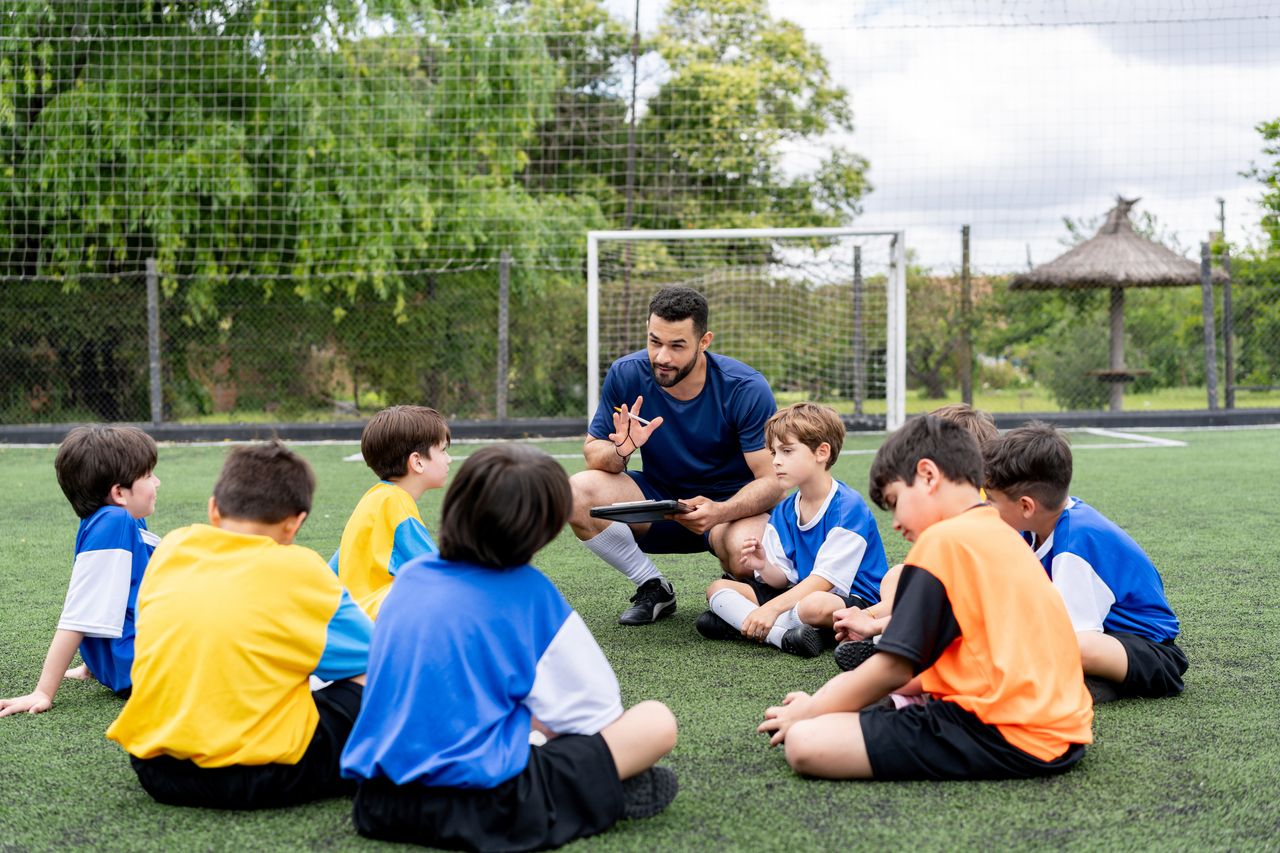
Parents across the United States now spend thousands of dollars annually on youth sports, with costs climbing as competitive leagues extend beyond traditional seasons. Year-round programs, private coaching, travel competitions, and equipment purchases have transformed youth athletics from a modest childhood expense into a significant household budget item.
The shift reflects a broader trend toward specialization in youth sports. Rather than playing multiple sports seasonally, many children now focus on a single sport with intensive training and competition year-round. This concentrated approach drives costs upward. Families pay registration fees for elite leagues, travel expenses for tournaments in distant cities, coaching fees that can exceed several hundred dollars monthly, and specialized equipment that requires frequent replacement.
Equipment alone represents a substantial cost. Ice hockey families might spend $1,500 or more annually on skates, sticks, protective gear, and rink fees. Soccer families invest in cleats, shin guards, uniforms, and tournament entry fees. Swimming programs require lane fees and coaching rates that accumulate quickly. Competitive gymnastics and dance similarly demand ongoing investments in classes, costumes, and competition fees.
Travel adds another layer. Families drive or fly to regional and national tournaments throughout the year. Hotel stays, meals, and gas expenses multiply when a child competes in multiple events or tournaments monthly. Some families spend $5,000 to $10,000 annually on travel alone.
The financial burden creates inequality within youth sports. Wealthier families can afford year-round training and competition, while lower-income families struggle to participate at the same level. This economic divide increasingly determines who reaches elite levels of youth athletics.
Parents should evaluate whether their household budget can genuinely sustain these expenses. Set spending limits before enrolling a child in competitive programs. Ask whether the child drives participation or whether parental expectations fuel spending. Review what actual benefits emerge from expensive training programs versus recreational play.
Consider scaling back to seasonal sports played through schools