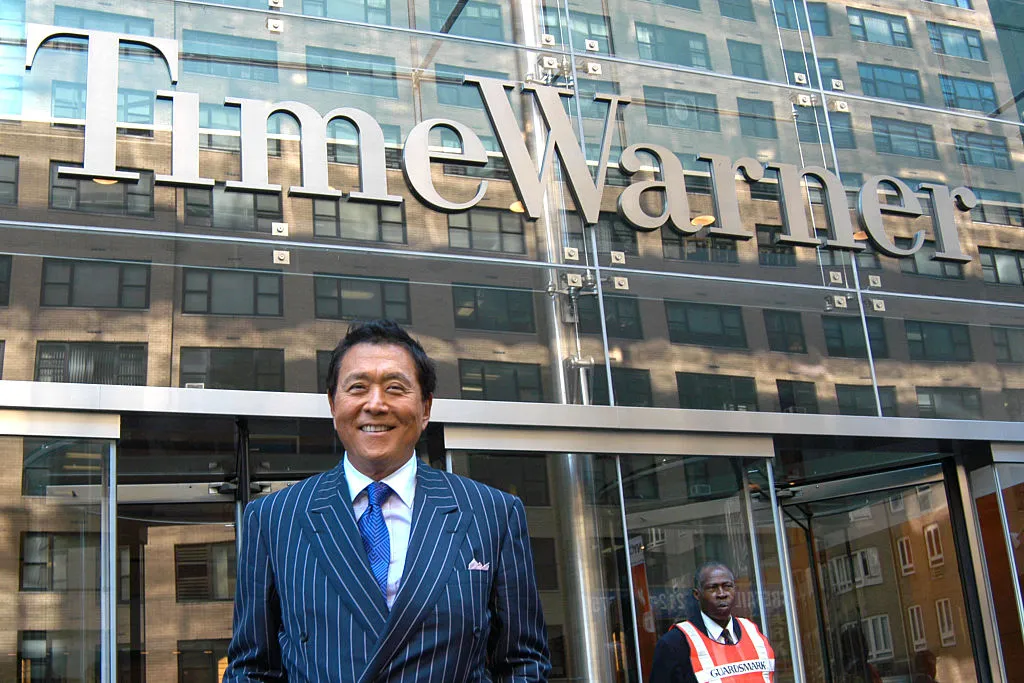
Robert Kiyosaki, author of "Rich Dad Poor Dad," argues that failure represents a critical stepping stone to wealth building, not a terminal setback. His philosophy challenges the conventional risk-averse approach many people take with their finances.
Kiyosaki's central premise centers on reframing how we view business and investment mistakes. Rather than treating failures as sources of shame, he positions them as tuition payments in the school of entrepreneurship. He contends that wealthy individuals embrace calculated risks and learn from losses without abandoning their goals.
This mindset differs sharply from the play-it-safe strategy that dominates personal finance advice. Traditional guidance often emphasizes emergency funds, steady employment, and minimal exposure to volatile investments. Kiyosaki challenges savers to move beyond these constraints by starting businesses, purchasing rental properties, and investing in stocks despite the real possibility of losing money.
The practical application requires separating emotional reactions from financial decisions. When a startup fails or an investment drops in value, Kiyosaki suggests analyzing what went wrong, extracting the lesson, and deploying that knowledge in the next venture. He points to successful entrepreneurs who experienced multiple bankruptcies before building billion-dollar companies.
For ordinary savers, this philosophy raises a fundamental question. Should you follow conventional wisdom about building savings accounts and index funds, or take larger swings on business ideas and real estate? The answer depends on your financial stability, risk tolerance, and timeline.
Kiyosaki's approach works best for people with enough capital to absorb losses and the knowledge to make informed decisions. Without a safety net or financial literacy, aggressive risk-taking becomes gambling rather than investing.
The takeaway isn't that you should recklessly spend money on failed ventures. Rather, calculated failures that teach valuable lessons cost far less than remaining stalled by fear. Building wealth often requires accepting setbacks as part of the process