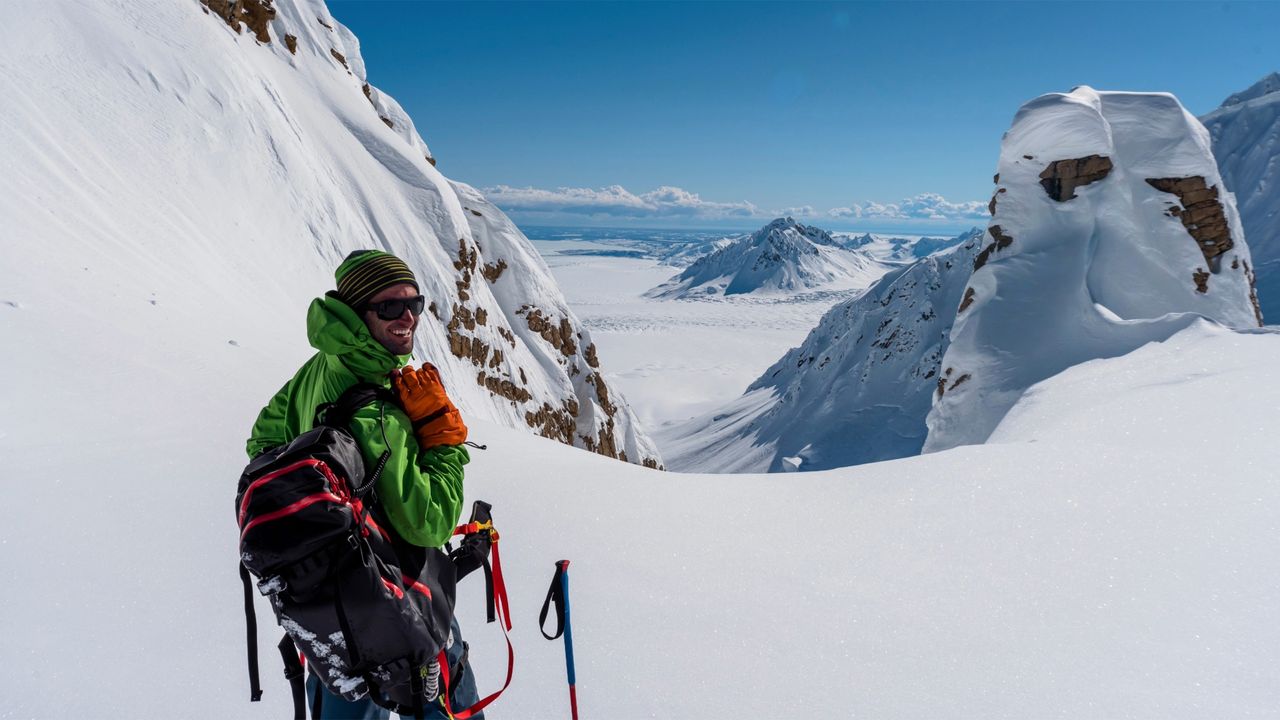
A solo ski trip in Alaska forced one retiree to confront a blind spot in retirement planning that spreadsheets rarely capture: social isolation.
The experience highlighted how most retirement planning focuses on the financial mechanics. People calculate whether their nest egg lasts 30 years. They optimize Social Security timing. They stress-test their portfolio against market downturns. But few deliberately plan for loneliness or loss of community.
Work provides built-in social structure. Colleagues become friends. Daily routines create rhythm. Retirement strips away both. Without intentional effort, retirees drift into isolation even when financially secure. The risk grows sharper for solo travelers or those without large families nearby.
This matters for retirement success in concrete ways. Social connection directly affects health outcomes. Isolation increases mortality risk comparable to smoking 15 cigarettes daily, research shows. It accelerates cognitive decline and weakens immune function. People with strong social networks also make better financial decisions. Lonely retirees become vulnerable to fraud and poor spending choices born from boredom or depression.
The practical fix requires retirees to treat social planning with the same rigor applied to investment allocation. Consider joining clubs or volunteer organizations before leaving work. Build a geographic backup plan if you're moving. Schedule regular contact with family and friends. Research communities known for active social scenes. Some retirees deliberately choose continuing care communities or cohousing arrangements that prioritize connection.
Financial advisors increasingly acknowledge this gap. Some now ask clients about retirement hobbies and relationships alongside asset allocation. The most comprehensive retirement plans include budget lines for travel to see friends, club memberships, or activities that build new relationships.
A comfortable retirement balance sheet means nothing if you're spending it alone. The Alaska trip was a wake-up call that retirement requires planning for the life you'll actually live, not just the account balances you'll leave behind.