Insurance works backward from how most purchases feel. You buy a shirt and wear it. You buy insurance and hope never to use it. That backward logic confuses many people into thinking insurance is a bad deal when they never file claims.
It is not. An unused insurance policy is exactly what you paid for.
Think of insurance as a financial firewall. You buy homeowners insurance not because you expect your house to burn down, but because if it does, you cannot rebuild it yourself. You buy auto insurance because one accident could cost fifty thousand dollars or more. You buy health insurance because a single hospital stay can bankrupt you. The premium you pay is the cost of not facing those disasters alone.
The math works this way. Most people who buy auto insurance never file a claim. Most people who buy health insurance use it for routine checkups and prescriptions, not catastrophic illness. Most homeowners never file a claim. Insurance companies count on this. They collect premiums from millions of people and pay out claims to the few who need them. That is the contract.
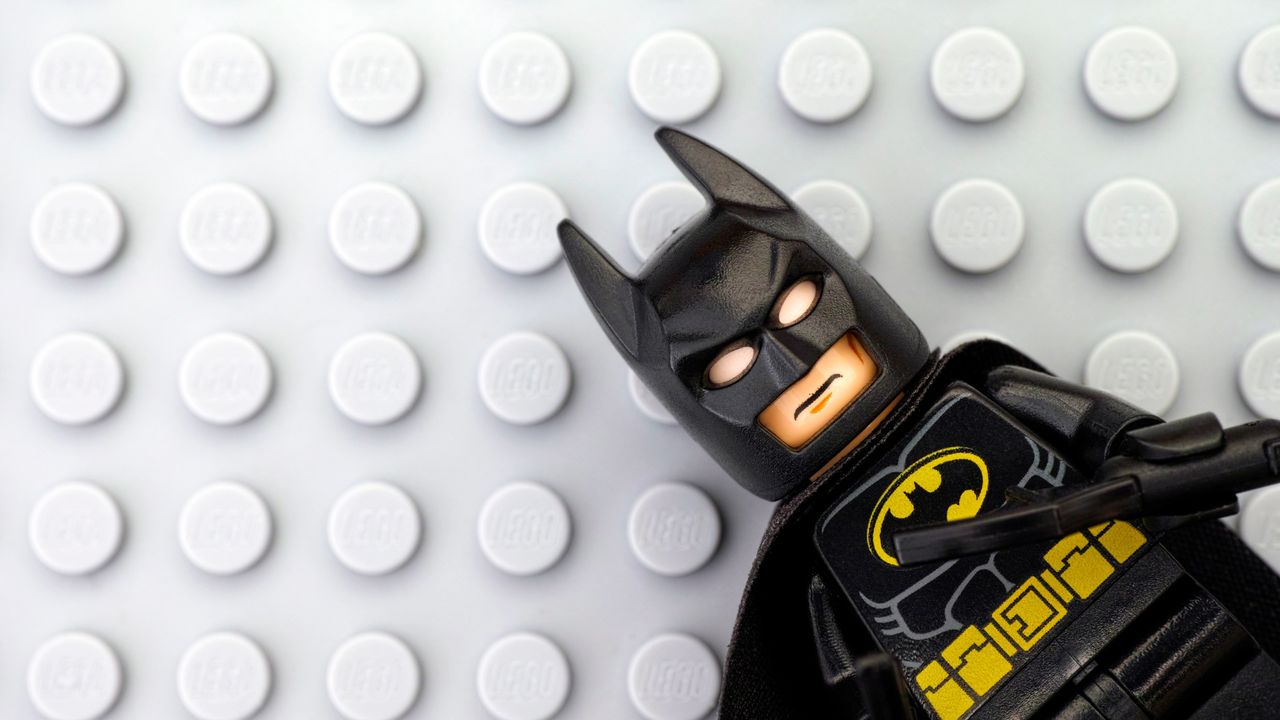
The best claims are the ones that never happen because you never had an accident, never got seriously sick, never had a house fire. That means the insurance did its job. It sat there like a superhero in the background, ready but not needed.
This realization changes how you should think about shopping for insurance. You are not buying a product to use. You are buying protection against a specific risk at a price you can afford. A good insurance policy is not one that pays out frequently. It is one that covers the disasters that would otherwise destroy your finances, at a rate that fits your budget.
When you file an insurance claim, something has already gone wrong. The claim itself is not a win. The win is having coverage when disaster strikes. The backup plan existed because you planned ahead.
So stop thinking about whether your insurance will "pay for itself." Stop comparing