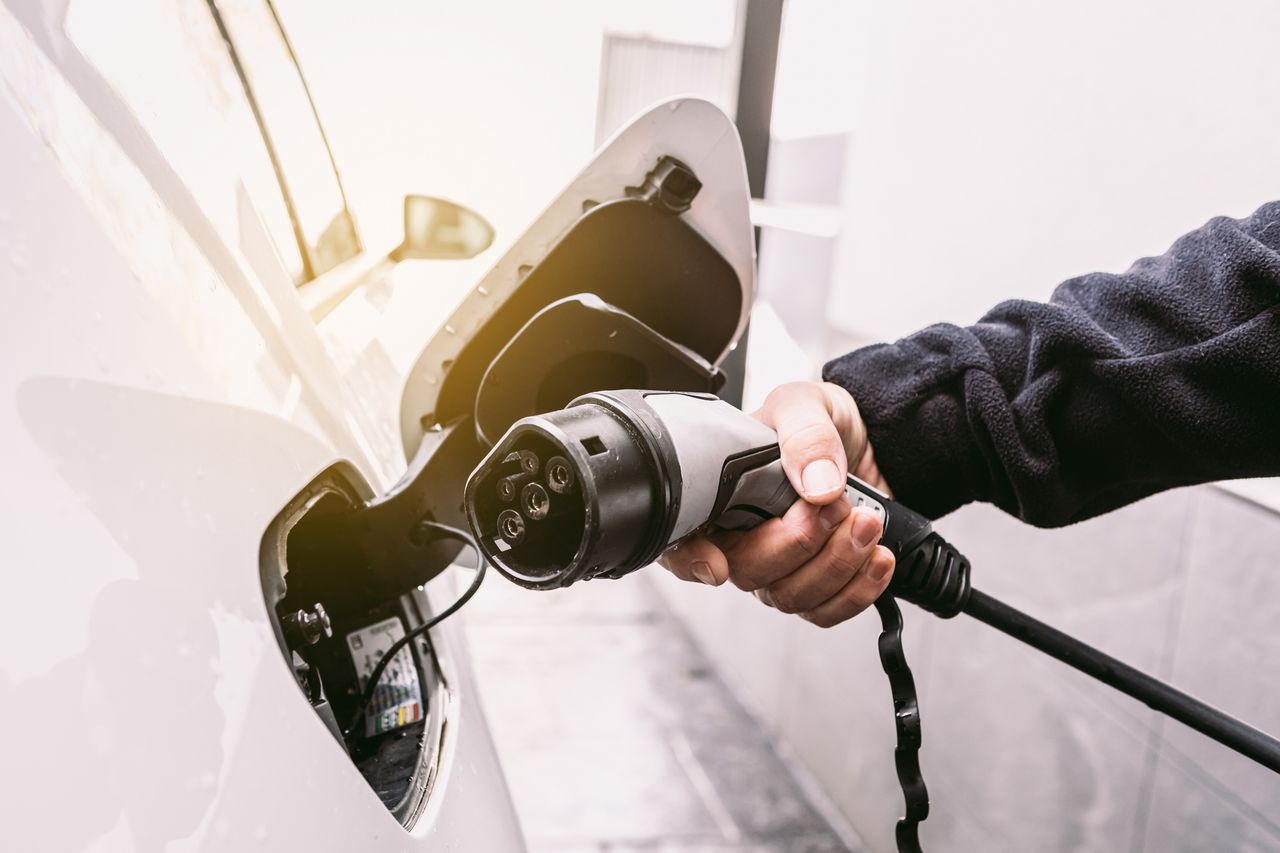
The federal tax credit for residential electric vehicle chargers expires June 30, and homeowners need to act fast to capture the benefit. The credit covers up to $1,000 of installation costs for Level 2 chargers at your home.
Qualifying proves trickier than buying equipment. You cannot claim the credit simply by purchasing a charger off the shelf. The charger must be installed at your primary residence, and you must own the property (renters do not qualify). The installation must occur before the June 30 deadline, not just the purchase.
Income limits apply. For 2024, single filers earning over $150,000 and married couples filing jointly earning over $300,000 phase out of eligibility. Your household income determines whether you can claim the full $1,000 or a reduced amount.
The charger itself must meet federal specifications. Equipment must be certified and purchased from approved vendors. Many popular options like Tesla Wall Connectors, Eaton, ChargePoint, and Wallbox models qualify, but knockoff or older models may not. Check the IRS list of compliant equipment before buying.
You claim this credit on your 2024 tax return using Form 8911. Keep all receipts and installation documentation. If an electrician handles the setup, request itemized invoices showing labor and equipment costs separately. The credit applies to both the charger hardware and professional installation labor.
Homeowners cannot stack this federal credit with state or utility rebates on the same charger. However, some states offer separate incentives you can combine with the federal one, depending on your location. Check your state's EV incentive programs.
Getting the installation done by June 30 requires moving quickly. Licensed electricians report busy schedules through mid-year. Request quotes and schedule installations immediately if you want to lock in this credit. Many installers book