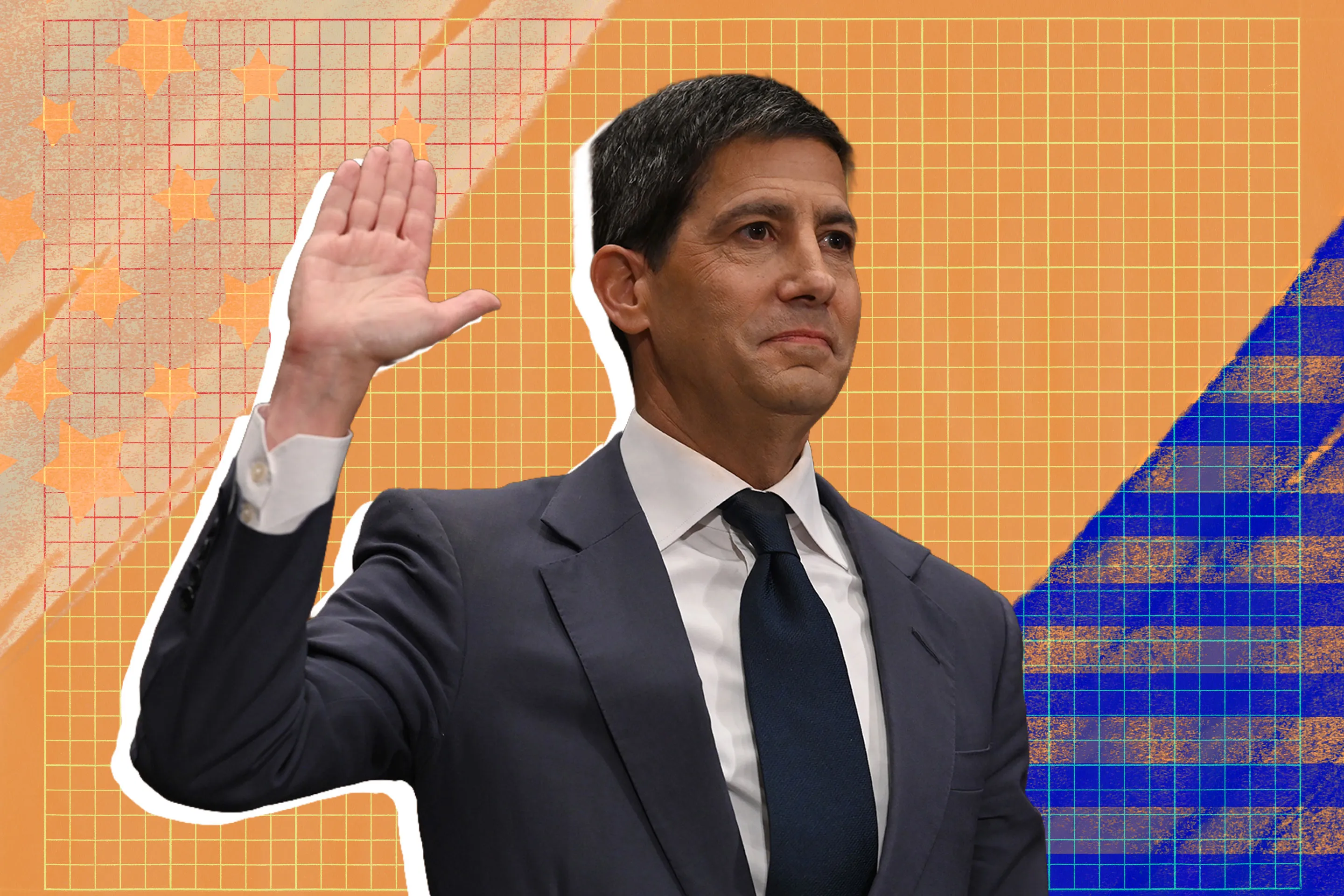
Kevin Warsh has taken the helm at the Federal Reserve, replacing Jerome Powell after eight years in the role. This leadership change carries real implications for savers, borrowers, and investors navigating an economy still adjusting to inflation and interest rates.
Warsh brings a different economic philosophy to the role. Where Powell favored gradual rate adjustments and data-driven caution, Warsh has signaled interest in faster policy shifts. His track record at the Fed and as a financial services executive suggests he may favor more aggressive moves to combat inflation or stimulate growth, depending on economic conditions.
For savers, this matters immediately. The Fed controls the federal funds rate, which anchors yields on savings accounts, money market funds, and CDs. A more action-oriented chair could push rates higher or lower faster than markets currently expect. If Warsh leans toward aggressive rate increases, high-yield savings accounts offering 4-5% APY today could climb further. Conversely, if he cuts rates aggressively later, those yields shrink.
Mortgage borrowers face uncertainty too. The Fed doesn't set mortgage rates directly, but its policy stance influences them. A more aggressive rate-hiking Fed generally keeps mortgage rates elevated. A chair focused on growth might prioritize lower rates sooner, potentially helping buyers.
Stock investors should watch Warsh's inflation stance closely. Persistent rate hikes tend to pressure equity valuations, especially for growth stocks. His willingness to tolerate inflation or combat it aggressively will shape market performance across sectors.
Bond investors face similar dynamics. Long-term bond prices fall when rates rise. Warsh's signaling about future rate paths will determine bond performance over coming years.
The transition creates near-term uncertainty because markets must recalibrate expectations around new leadership. Warsh's first major policy announcements will likely move bond yields, stock indices,