# How to Invest in Silver
Silver offers individual investors a tangible alternative to stocks and bonds, with lower entry costs than gold. The metal trades on commodity exchanges and through retail channels, giving ordinary savers multiple pathways to gain exposure.
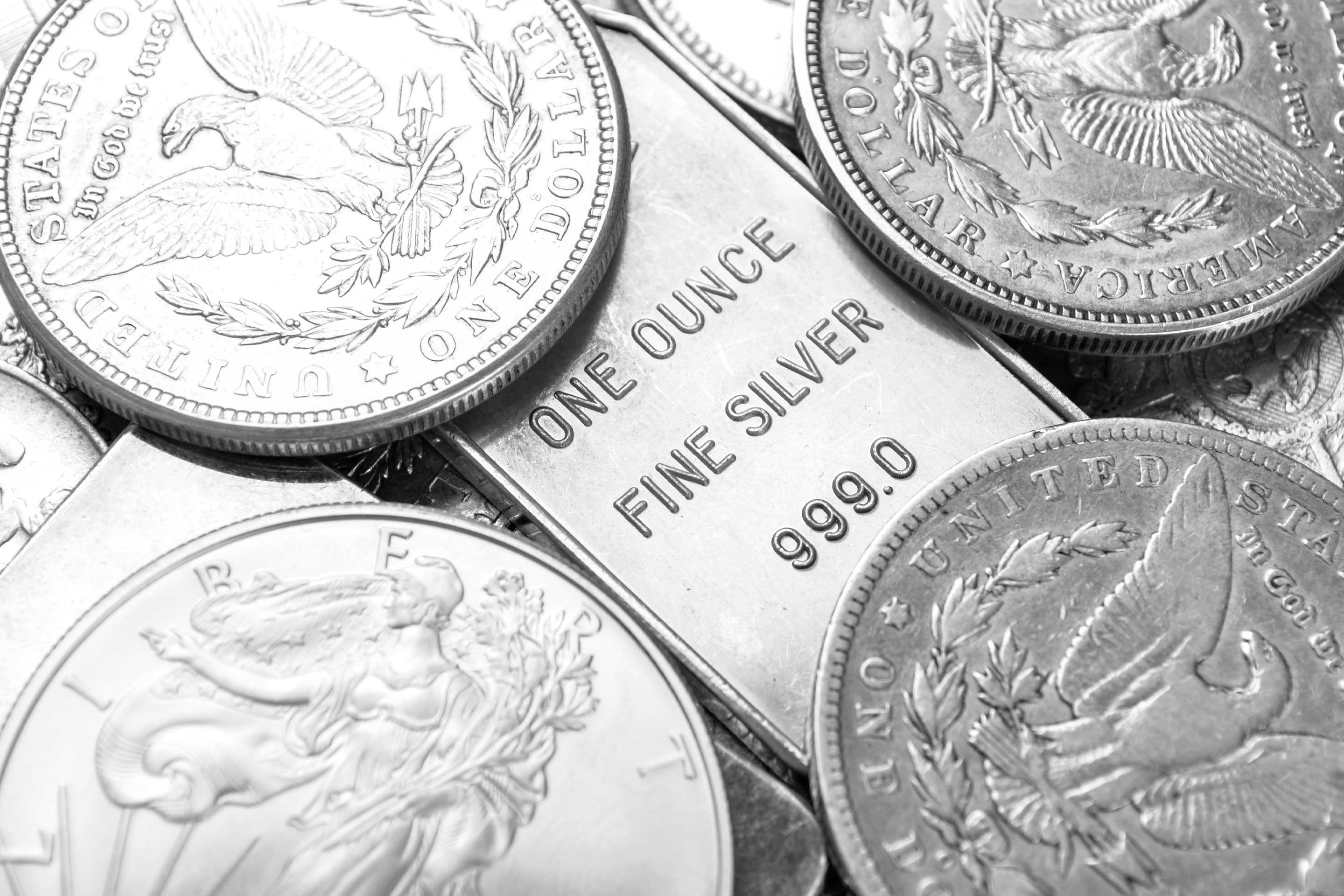
Physical silver bars and coins represent the most straightforward approach. The U.S. Mint sells American Silver Eagle coins, which contain one ounce of pure silver. These retail for roughly 15 to 20 percent above spot price, depending on dealer markup. Investors can also purchase bars from refineries and local coin dealers, though storage and insurance costs eat into returns over time.
Exchange-traded funds (ETFs) eliminate physical custody hassles. iShares Silver Trust (SLV) and Aberdeen Standard Physical Silver Shares (SIVR) track spot silver prices closely and trade on stock exchanges like regular equities. These funds charge annual expense ratios between 0.30 and 0.40 percent, making them cost-effective for buy-and-hold investors.
Futures contracts appeal to experienced traders with higher risk tolerance. Silver futures trade on the COMEX exchange in 5,000-ounce contracts, allowing leveraged bets on price movements. Leverage magnifies both gains and losses, so this route demands careful position management.
Mining stocks offer indirect silver exposure through companies that extract the metal. Miners profit when silver prices rise but carry operational and geopolitical risks that pure silver plays avoid.
Silver historically acts as a hedge against inflation and currency weakness, though it remains volatile. The metal swings 30 to 40 percent annually in normal markets, compared to gold's more moderate gyrations. Investors should size silver positions accordingly, treating them as a portfolio diversifier rather than a core holding.
Before committing capital, compare dealer premiums, storage fees, and fund expense ratios across options. Tax