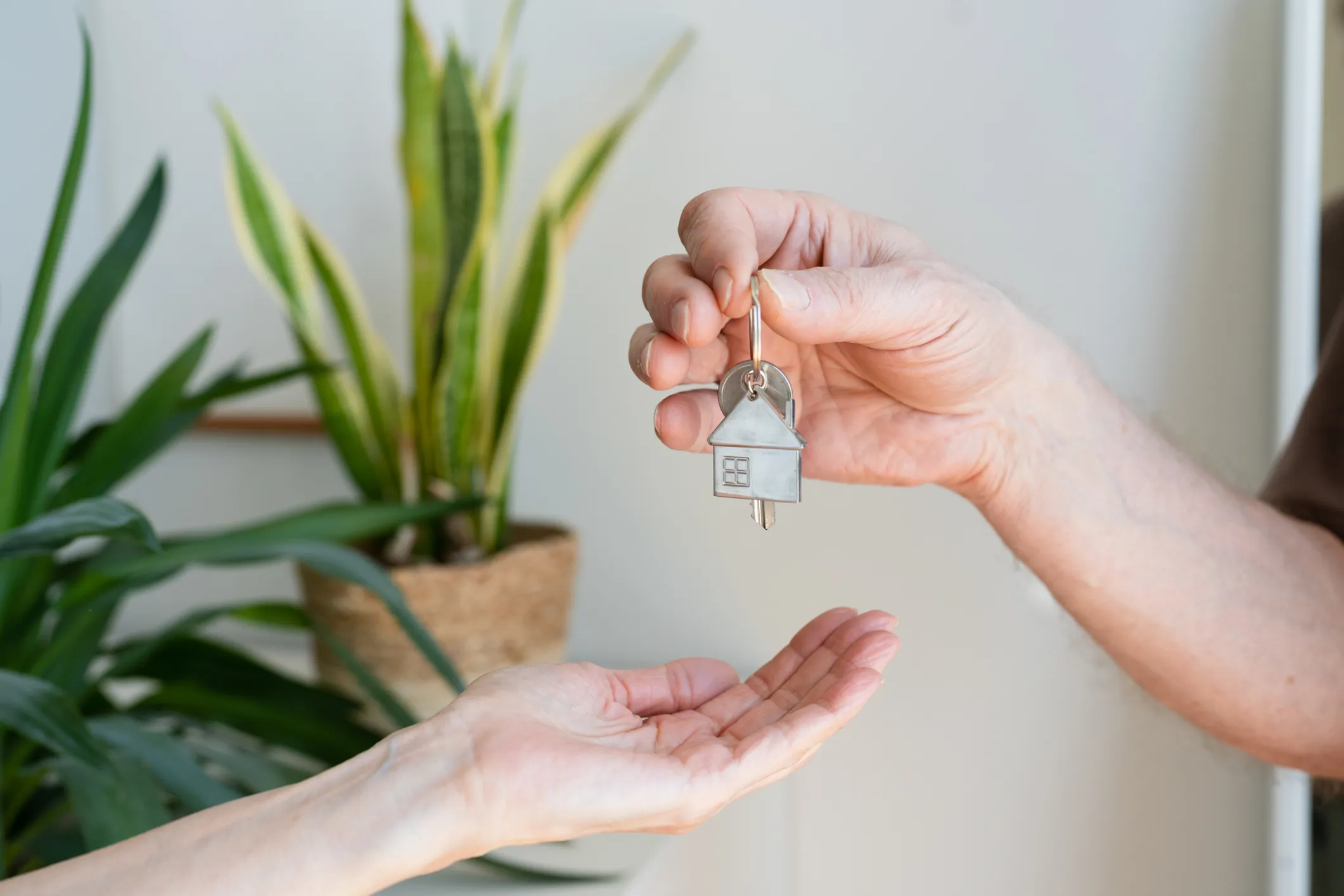
Many retirees assume homeownership remains the right choice in their later years. New financial analysis suggests renting often makes better sense once you stop working.
The shift reflects changing economics. Home prices have climbed faster than rental rates in most markets. Property taxes, maintenance costs, and insurance compound the burden for fixed-income households. A retiree on Social Security and modest savings faces real pressure from these expenses, which don't shrink when income does.
Renting eliminates several major costs. You skip property taxes entirely. Landlords handle repairs and maintenance. Insurance costs drop dramatically since renters policies cost far less than homeowners coverage. This predictability matters for budgeting on a fixed income. Your housing payment stays stable rather than spiking when your roof needs replacement or property taxes rise.
The math varies by location. In high-tax states like California or New York, renting gains appeal quickly. A retiree in Nassau County, New York might pay $8,000 to $12,000 annually in property taxes alone on a modest home. In rental-friendly markets like Miami or Las Vegas, monthly rents for comparable housing run $1,500 to $2,500. Over a decade, the savings compound substantially.
Liquidity also matters. Home equity sits trapped. A retiree needing medical care or facing unexpected costs can't access that money quickly without selling. Renting frees capital for investment accounts, emergency funds, or simply lets you spend down savings without tying resources to real estate.
The downside remains real. Rent increases happen annually, sometimes sharply. You build no equity. Some retirees value the stability of ownership and the certainty of never facing eviction. Long-term care costs eventually exceed rent savings for many households.
The decision hinges on individual circumstances. A retiree with a paid-off home in a low