# Why Your Favorite Products Keep Getting More Expensive
Product prices climb for reasons that have nothing to do with how popular something is or whether store shelves sell out. Understanding these hidden cost drivers helps you shop smarter and know when to stock up versus when to wait.
Manufacturing costs form the foundation. Raw materials fluctuate constantly. A favorite snack brand might face higher cocoa prices one month and elevated packaging costs the next. Labor expenses also shift. When workers earn higher wages or factories operate with tighter staffing, those costs flow directly to consumers.
Supply chain disruptions create another major pressure point. Shipping remains more expensive than pre-pandemic levels. Port congestion, fuel prices, and driver shortages all add to the final retail price. A product can remain unpopular on shelves while its delivery cost doubles.
Inflation compounds these pressures across the entire economy. When the dollar weakens or input costs rise broadly, businesses raise prices to protect profit margins. A beloved but slow-moving item still gets marked up even though the store hardly sells any.
Retailer decisions matter too. Stores sometimes increase prices on slower-moving products because they carry higher inventory costs. Items sitting on shelves longer tie up money and storage space. Rather than discount, retailers often push prices higher to offset those expenses.
Distribution changes also affect your wallet. If a product switches suppliers or manufacturers, new sourcing agreements can increase costs. A brand might move production to a different facility or country, raising logistics expenses significantly.
Seasonal patterns play a role as well. Off-season items often cost more because manufacturers produce them less frequently. Lower volume production raises the per-unit cost compared to high-demand seasons.
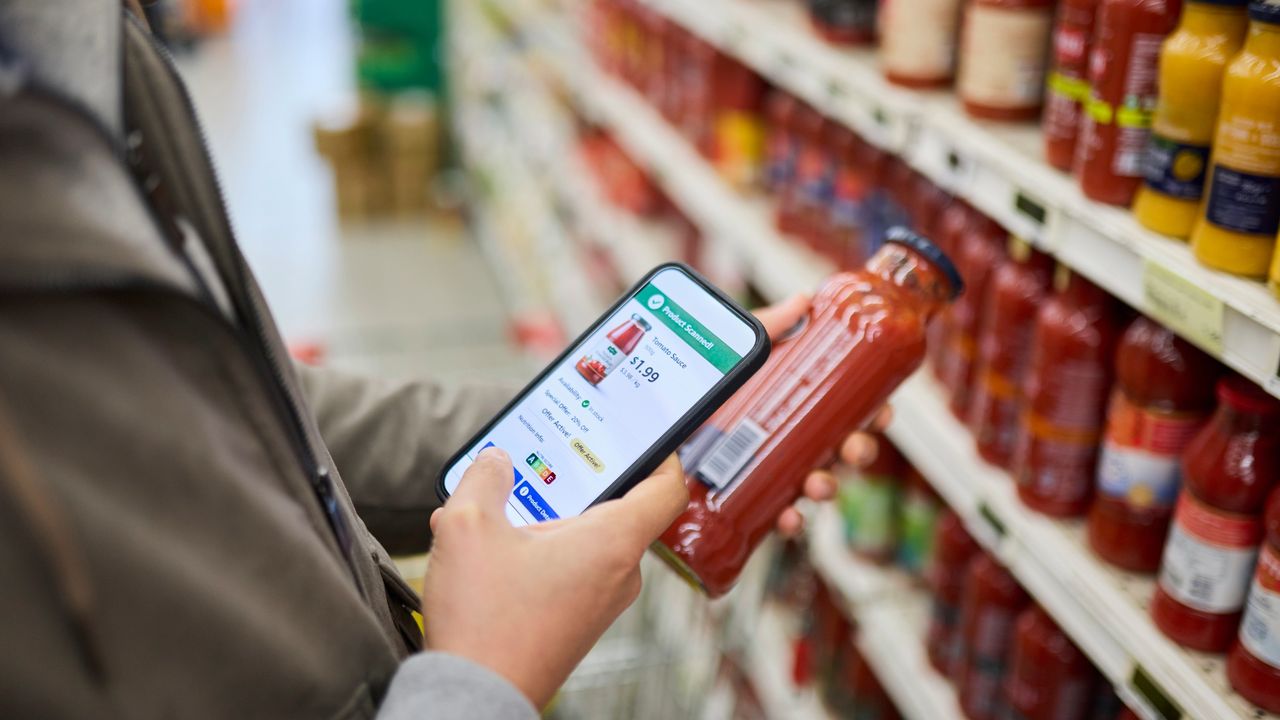
Smart shopping means tracking prices over time. Use grocery store apps or price-tracking websites to catch the real increases versus normal fluctuations. Buy shelf-stable favorites when prices dip. Skip items during peak pricing