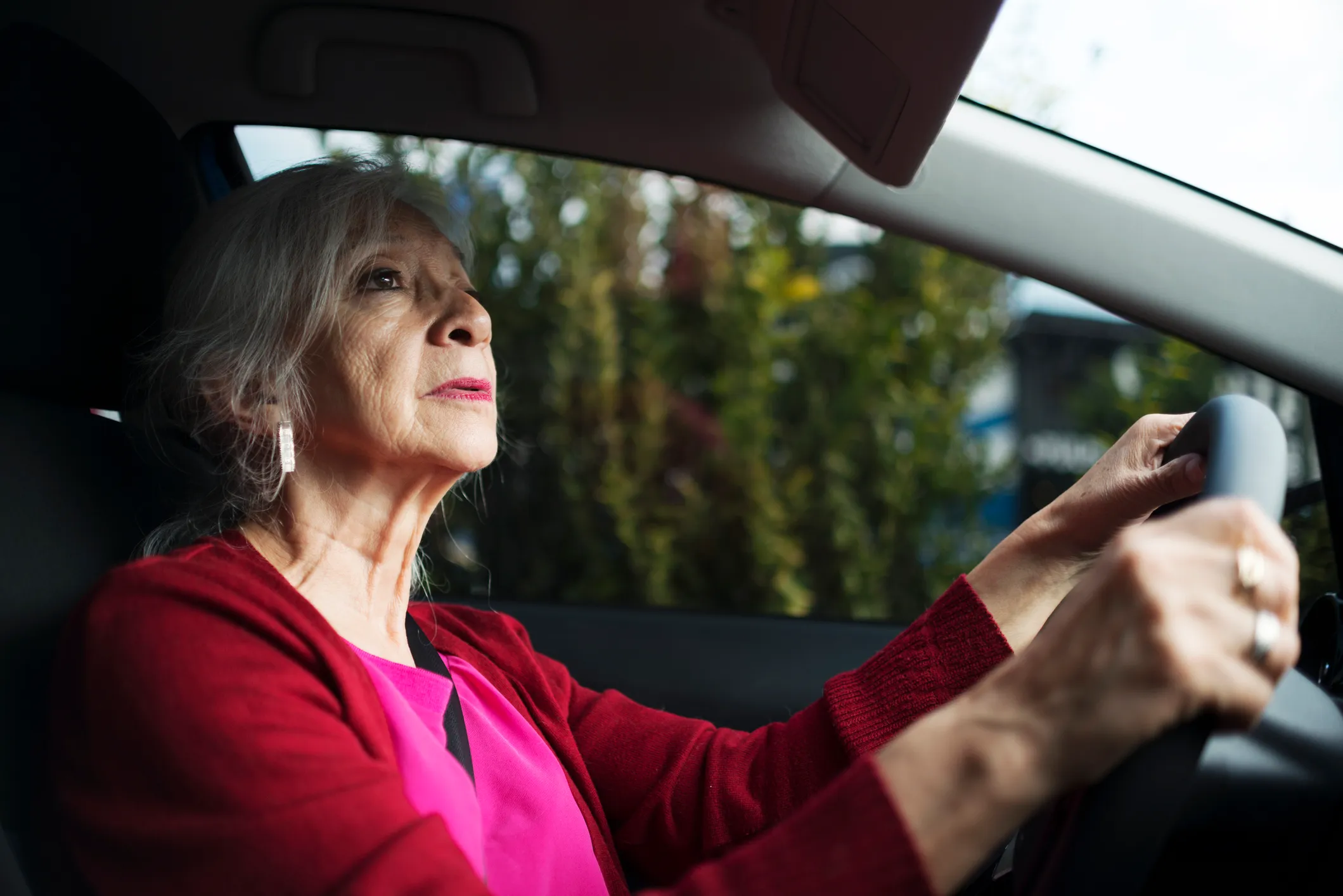
Retirees are reassessing whether they need two vehicles as fixed incomes and rising costs reshape retirement spending priorities. The shift reflects a practical calculation: a second car drains $8,000 to $10,000 annually when factoring in insurance, maintenance, registration, and depreciation, according to AAA estimates.
Selling an unused second vehicle unlocks meaningful cash flow. A retiree with a paid-off car worth $12,000 gains both the lump sum and the recurring monthly savings. That freed-up money redirects toward travel, dining out, hobbies, or grandchildren—experiences many prioritize in their later years over vehicle ownership.
The math becomes sharper when examining specific costs. Full-coverage insurance on a second vehicle typically runs $1,200 to $1,800 per year for drivers over 65. Add $500 to $1,000 in annual maintenance, $200 in registration fees, and depreciation on an aging vehicle, and the total climbs quickly. Someone with a modest fixed income of $3,500 monthly watches 8 to 10 percent vanish to automotive expenses.
Geographic location matters. Urban retirees with reliable public transit or ride-sharing access face fewer logistics. Those in rural areas or suburbs with limited transportation options often retain both vehicles out of necessity. However, even suburban retirees increasingly question the second car when one spouse no longer commutes and both rarely drive simultaneously.
The trend accelerates as younger retirees downsize homes and relocate. Moving to active adult communities or smaller properties often reduces the need for storage and multiple vehicles. Ride-sharing services like Uber and Lyft offer affordable on-demand transportation for occasional trips, replacing the second car's emergency backup role.
Some retirees take a middle path. They downgrade to one reliable paid-off vehicle instead of maintaining