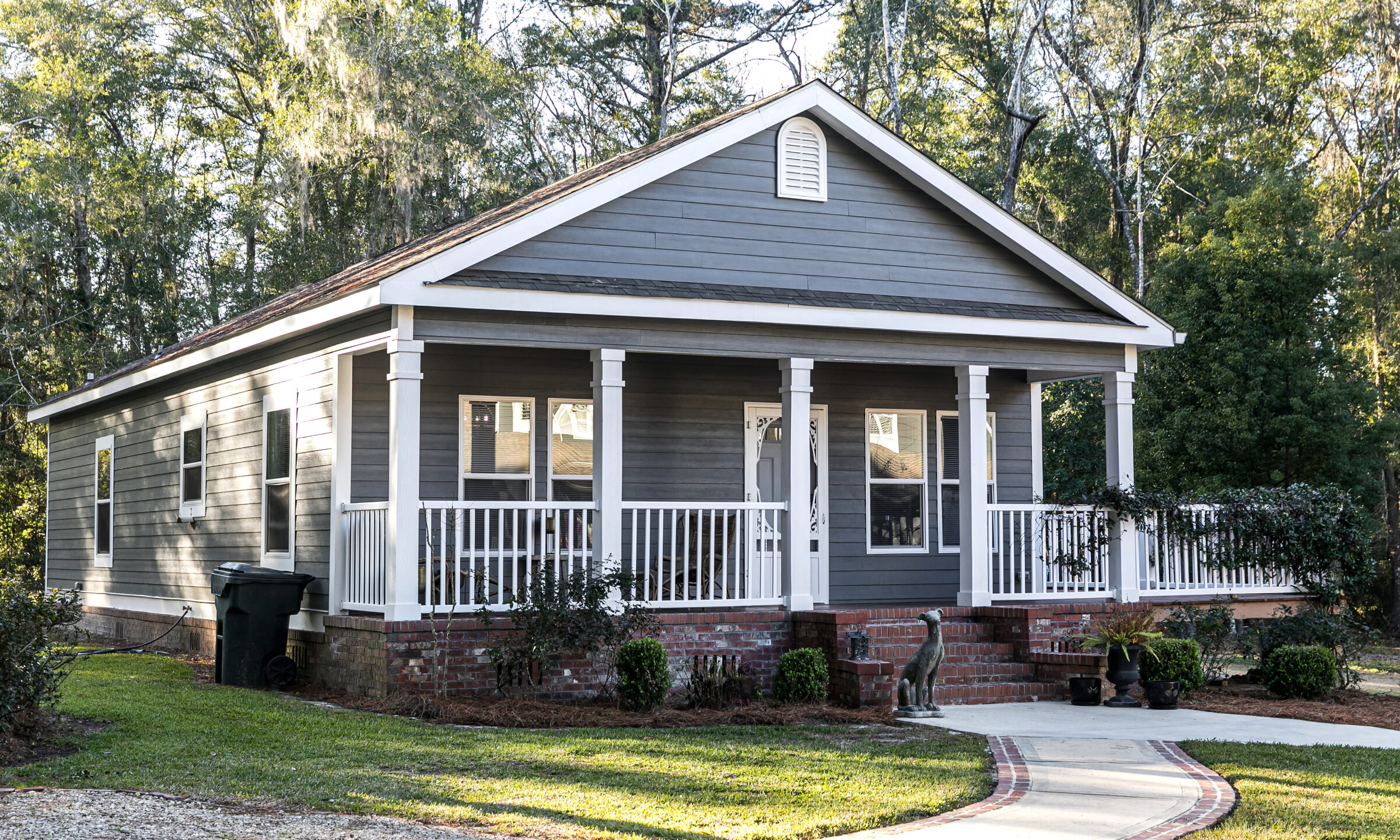
Manufactured homes remain one of America's most misunderstood housing options. Outdated stereotypes about quality, financing, and resale value continue to push buyers away from factory-built properties, even as starter home shortages intensify across the country.
The first myth: manufactured homes are low-quality structures. Modern factory-built homes meet or exceed HUD code standards and often feature superior construction compared to site-built homes. Factory production means consistent quality control, precision engineering, and fewer weather delays during construction. Buyers often receive homes with better insulation and tighter seals than traditionally built houses.
The second myth: financing is impossible or prohibitively expensive. Lenders now offer competitive loans for manufactured homes, with rates comparable to conventional mortgages. FHA loans, VA loans, and conventional financing all cover factory-built properties. Down payments typically range from 10 to 20 percent, matching traditional home purchases. However, some lenders still treat manufactured homes differently, so shopping multiple banks remains essential.
The third myth: manufactured homes don't hold value. Property appreciation depends heavily on location and land ownership. Manufactured homes on owned land appreciate similarly to site-built homes. The issue arises with leasehold communities where buyers rent the land. These communities impose monthly fees and restrict resale options, creating the false perception that all manufactured homes lose value.
The real barrier isn't the homes themselves. Outdated zoning laws in many states restrict where manufactured homes can be placed. Financing discrimination persists at some lenders despite legal progress. Lender training gaps mean loan officers may incorrectly deny applications or quote inflated rates.
Manufactured homes cost 30 to 40 percent less than comparable site-built homes while offering faster delivery. For first-time buyers or those with modest budgets, they represent genuine value. Lawmakers in progressive states have begun removing zoning restrictions