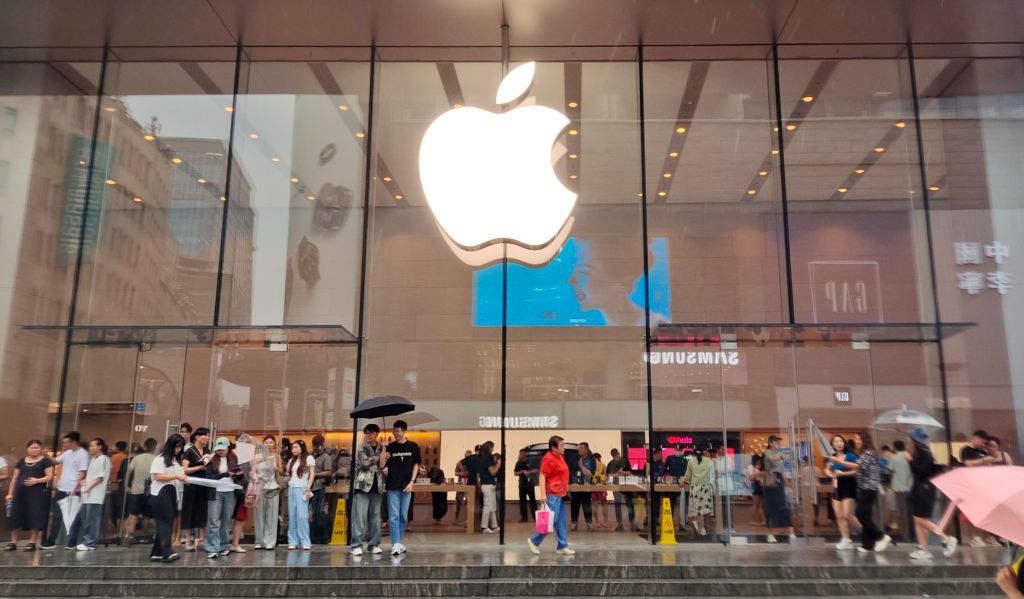
Preordering a smartphone locks in launch-day delivery and often bundles exclusive perks like free accessories, gift cards, or carrier credits. Carriers like Verizon and AT&T regularly sweeten preorder deals with $100 to $200 discounts or trade-in bonuses unavailable after launch.
But preordering isn't automatically the cheapest path forward. Prices typically drop within weeks of release as retailers compete for customers. Best Buy, Amazon, and carrier websites all run competing promotions. If you wait two to four weeks, you often find better trade-in values or bundle deals without the rush.
Preordering makes sense if you need the phone immediately, can't tolerate supply shortages, or genuinely value the exclusive bonuses. Early adopters of flagship phones like the iPhone 15 Pro or Samsung Galaxy S24 often see genuine launch week perks. Carriers frequently offer more aggressive trade-in credits during preorder windows.
The downside matters too. You commit money before knowing real-world performance. Early units sometimes carry manufacturing defects. You forfeit the freedom to compare with competing devices that launch around the same time. And if a better deal emerges in week three, you're stuck with your original preorder.
Your best move depends on your phone age and budget. If your current device is failing and you absolutely need a replacement by launch day, preorder. If your phone works fine for another month, wait. Retailers always need to move inventory after launch week, and they'll discount aggressively to do it.
Check the carrier you use before committing. Verizon and AT&T preorder deals sometimes target their own customers with exclusive credits. T-Mobile and other carriers use different incentive structures. Read the fine print on trade-in requirements and expiration dates.
The smartphone market moves fast, but patience usually pays off