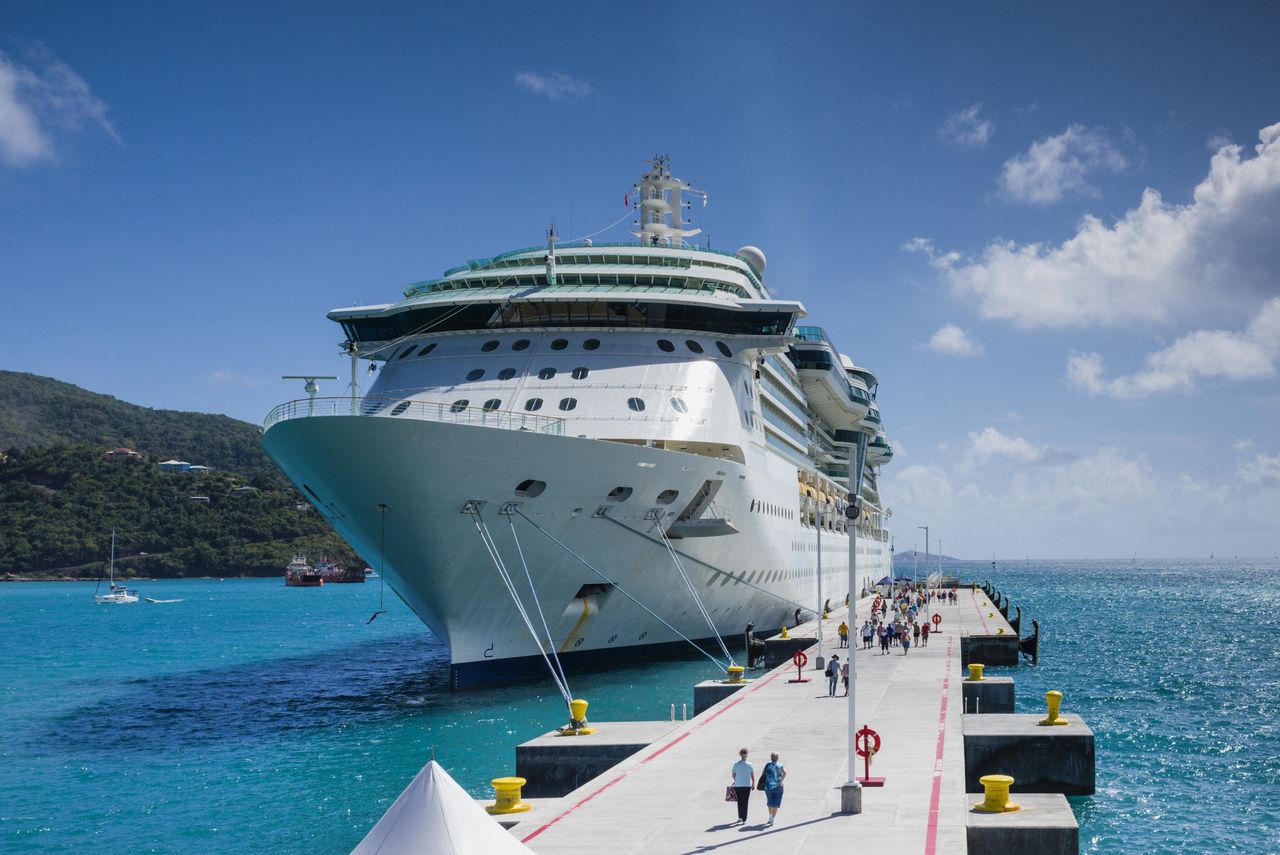
Medicare coverage stops abruptly once your cruise ship leaves U.S. territorial waters, creating a dangerous gap in medical protection for retirees at sea.
The problem stems from a little-known Medicare rule: Original Medicare (Parts A and B) covers emergency care on ships only within six hours of a U.S. port. Once your vessel travels beyond that window, Medicare coverage ends entirely. This means a heart attack, severe infection, or other medical emergency occurring in open water may result in costs of tens of thousands of dollars paid entirely out of pocket.
Cruise lines do offer onboard medical services, but these operate independently of Medicare. You will pay cash for any treatment aboard ship, with bills running $300 to $500 for basic consultations and substantially more for advanced care. If evacuation becomes necessary, helicopter rescue and transport to the nearest hospital can exceed $100,000 in charges.
Medigap supplemental insurance policies, which fill gaps in Original Medicare coverage, typically do not extend benefits beyond U.S. borders either. Some plans offer limited coverage for emergency care during international travel, but "limited" means exactly that. You should read your Medigap policy's foreign travel benefits section before booking.
Medicare Advantage plans (Part C) add another layer of complexity. These plans often exclude coverage for medical services received outside the United States entirely, though a few plans offer emergency coverage in Canada and Mexico. Review your plan documents or call your plan administrator before your cruise departs.
The fix involves securing a travel medical insurance policy designed specifically for seniors. These policies cover emergency hospital care, evacuation, and medical transport when you travel beyond U.S. borders. Costs range from $150 to $300 for a one-week cruise, a small investment against five-figure medical bills.
Check your existing coverage now, not the day before departure. Contact your Medicare plan directly and request written