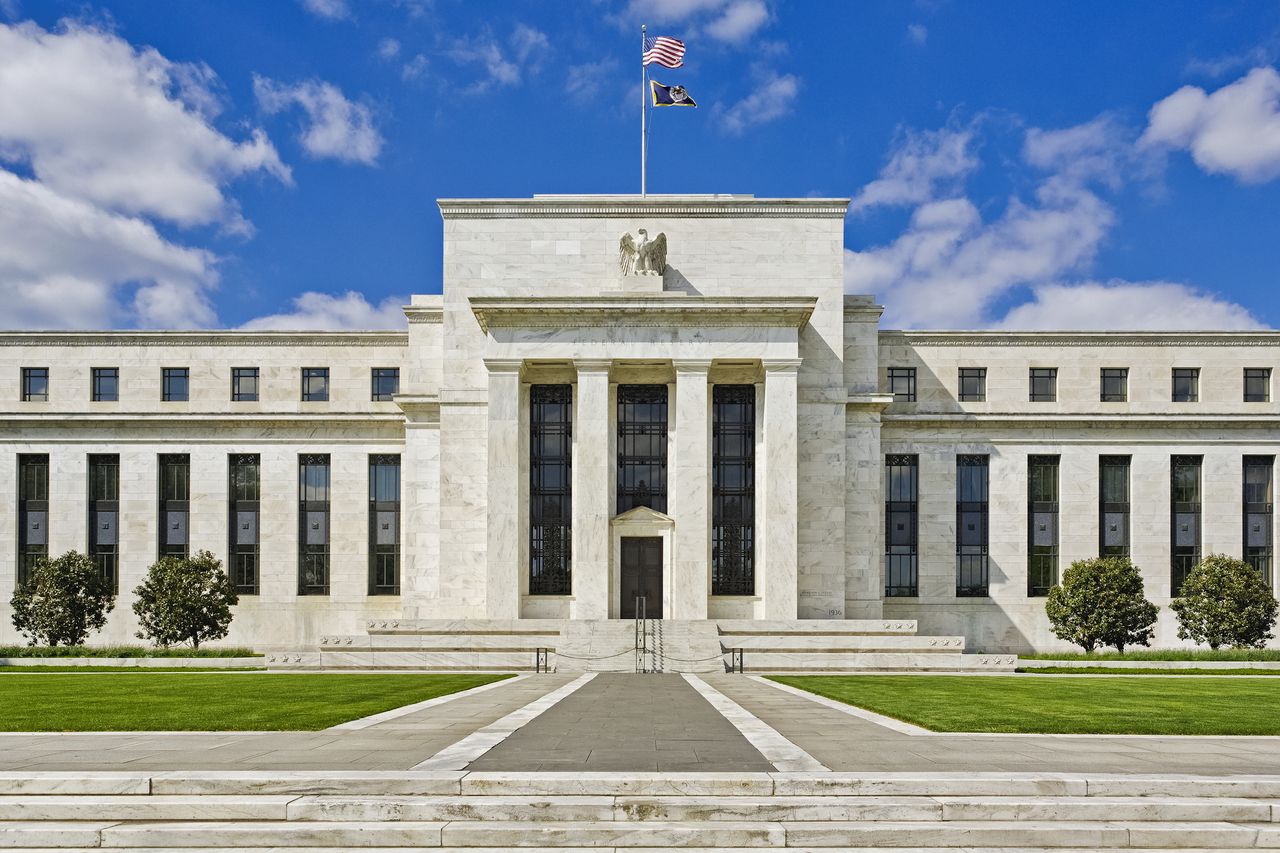
Kevin Warsh's appointment as the next Federal Reserve chair sets up a crucial test for household finances. The Fed chair's decisions on interest rates directly influence how much Americans earn on savings accounts, bonds, and money market funds. They also affect mortgage rates, credit card costs, and ultimately the taxes you owe.
Here's why: When the Fed raises rates, banks pay higher yields on savings products. A high-yield savings account earning 4.5 percent generates more taxable interest income than one paying 0.01 percent. That additional interest gets reported to the IRS on your 1099 form and increases your taxable income bracket.
Warsh brings a different economic philosophy than his predecessors. His approach to inflation and rate cuts will determine whether savers enjoy robust returns or face a new era of low yields. If Warsh favors aggressive rate cuts, expect savings account rates to fall sharply. Treasury bill rates, currently near 5 percent for short-term maturities, would decline significantly. That cuts both ways: lower tax bills from reduced interest income, but also weaker portfolio returns.
Mortgage rates follow Fed decisions closely. A Warsh-led Fed that keeps rates elevated longer protects savers earning 4 percent or more on money market funds from major cuts. A Fed that cuts aggressively could push yields below 2 percent, forcing investors to chase riskier assets to generate income.
The tax impact extends to investment returns. Stock and bond prices adjust based on rate expectations. Rising rates often pressure growth stocks and technology shares. Falling rates can trigger capital gains as bond prices rise. Both scenarios create taxable events investors must manage.
Warsh served on the Federal Reserve Board from 2006 to 2011. His previous tenure occurred during the financial crisis and recovery, offering context for his views on rate stability. Markets will closely watch his first