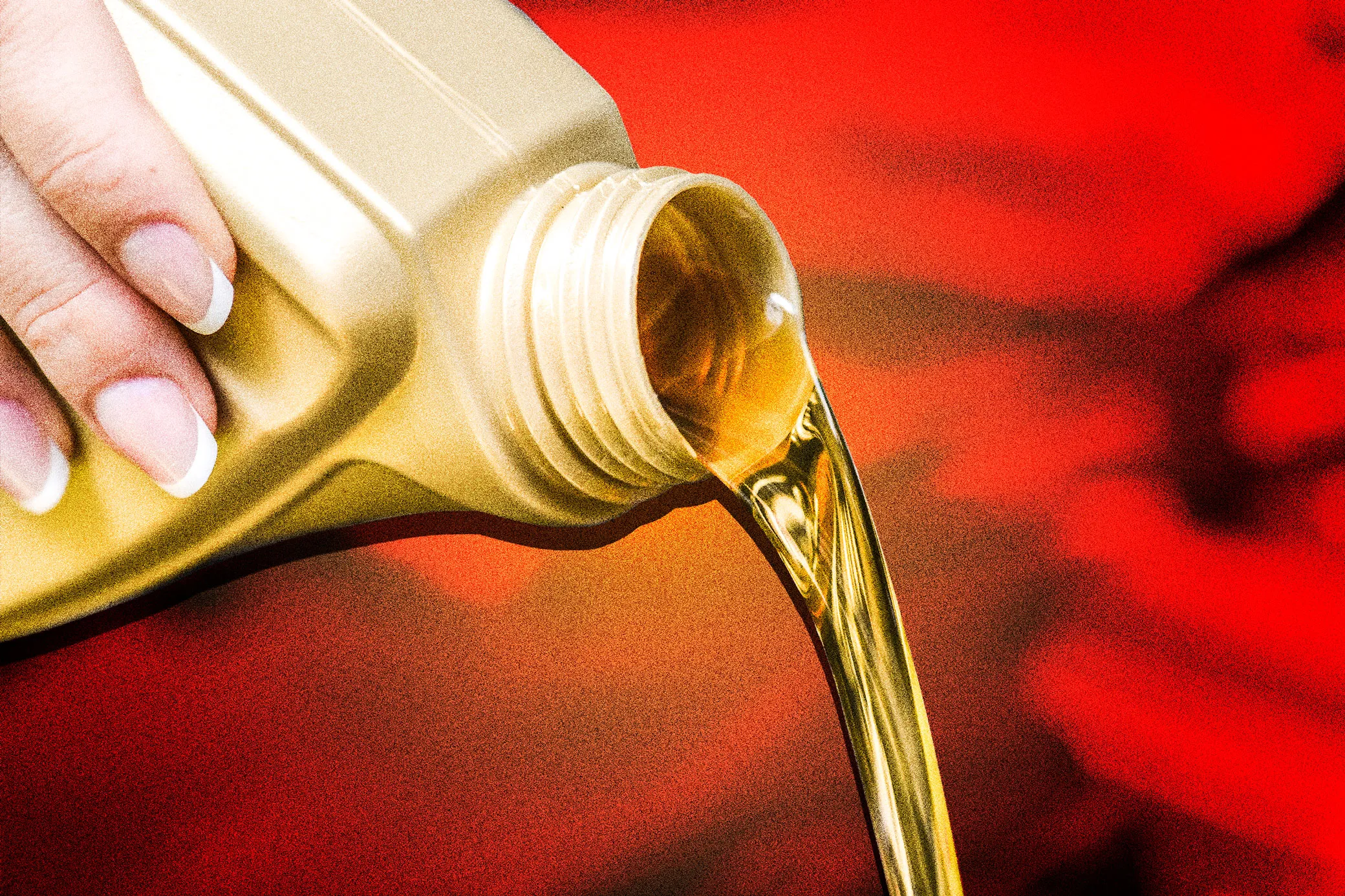
A potential conflict involving Iran could trigger a significant motor oil shortage for American drivers, pushing oil change costs higher across the country.
Geopolitical tensions in the Middle East create real supply chain risks. Iran sits near the Strait of Hormuz, a critical waterway where roughly 21 percent of global oil passes through. Any major disruption there directly affects crude oil availability and refining capacity.
Here's what matters for your wallet. Motor oil prices track crude oil futures closely. When crude spikes, refineries pay more to produce finished motor oil products. Those costs flow downstream to retailers like Jiffy Lube, Firestone, Valvoline, and independent shops. An average oil change runs $35 to $75 depending on oil type and vehicle. Expect that to climb 15 to 25 percent if a supply crunch materializes.
Synthetic motor oil faces particular pressure. Full synthetic blends like Mobil 1, Castrol Edge, and Pennzoil Platinum command premium prices already because they use more refined base stocks derived from crude. A shortage would hit these products first and hardest. Regular conventional oil would follow.
The timeline matters too. A Middle East disruption wouldn't create instant shortages. Refineries maintain strategic reserves. But within 60 to 90 days, retail availability tightens and prices climb. Supply chains for specialty lubricants take even longer to stabilize.
Smart moves now: Schedule oil changes before prices jump. Stock up on motor oil if you perform your own maintenance, particularly synthetic grades if your manufacturer recommends them. Check your vehicle's manual for the correct specification to avoid waste.
For fleet managers and businesses relying on vehicles, budget now for higher maintenance costs in the coming months. The timing aligns with peak driving season, compounding pressure.
This isn't doomsday. The U