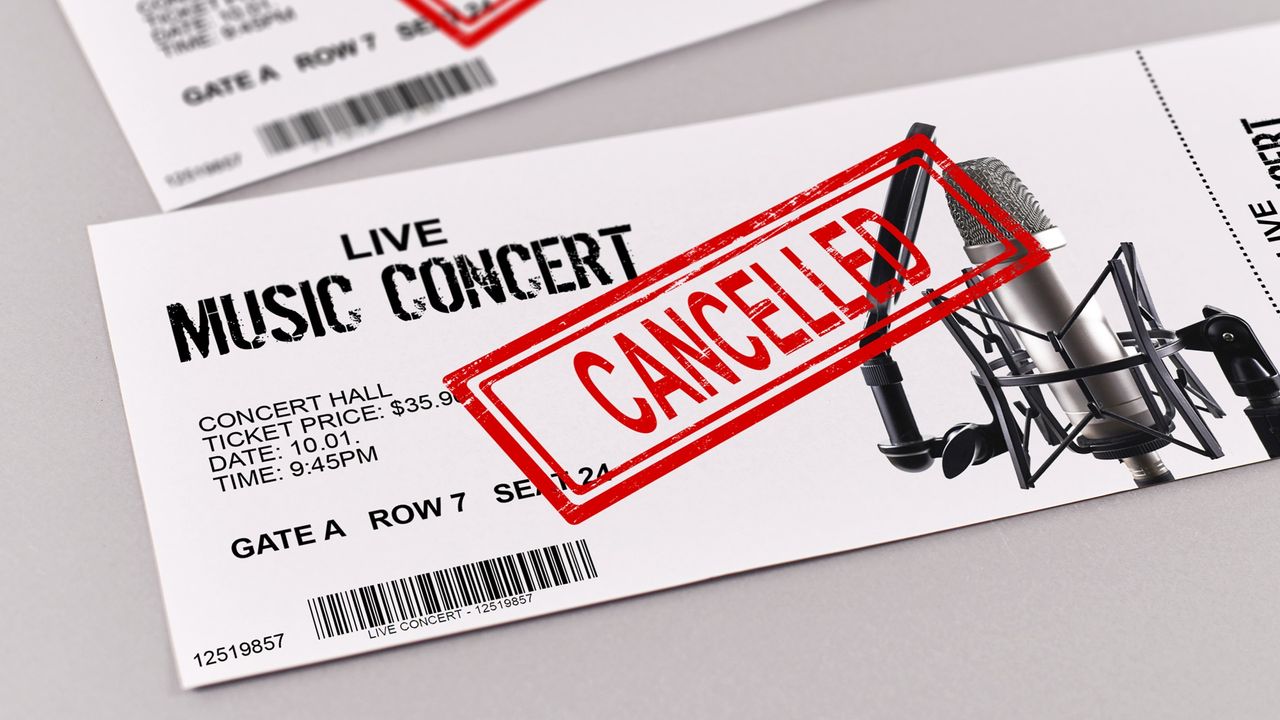
Concert cancellations have reached levels that catch fans off guard, forcing many to rethink how they budget for live events. When you book a show months in advance, you typically purchase tickets, flights, and hotel rooms simultaneously. If the concert gets canceled, you lose money fast unless you plan ahead.
The problem hits hardest when you've tied significant expenses together. A $200 ticket plus $400 in flights and a $150 nightly hotel stay creates a $750-plus commitment for a single show. Cancellations happen for reasons beyond anyone's control. Artist illness, venue issues, or low ticket sales all trigger refunds that often come too late to recover travel costs.
Credit card protections offer one layer of defense. American Express and Chase Sapphire Reserve cardholders get trip cancellation coverage that reimburses prepaid, nonrefundable travel costs when major events cancel. Coverage typically reaches $5,000 to $10,000 per person. You must charge the event and travel to the same card and file a claim within specific timeframes.
Travel insurance provides another option. Plans from companies like Allianz and World Nomads cover event cancellation for $20 to $50, though you'll pay more for comprehensive coverage that includes medical emergencies. Read the fine print closely. Some policies exclude artist cancellations but cover venue closures.
Ticketmaster and other platforms now show refund policies upfront. Check whether you get cash back or only credits toward future purchases. Resale platforms like StubHub and Vivid Seats typically offer buyer protection guarantees that cover cancellations.
Booking flexibility costs money but protects you. Use refundable hotel rates even if they cost 10-15 percent extra. Book flights with major carriers that allow free changes rather than budget airlines. Avoid nonrefundable deals on tickets through