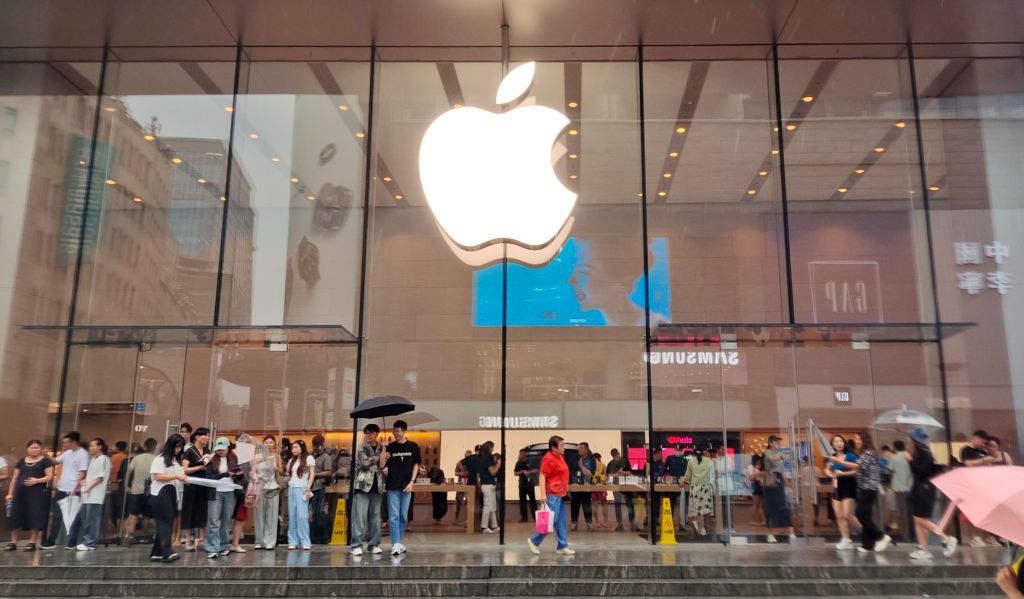
Pre-ordering a smartphone puts you first in line for launch-day delivery and often unlocks exclusive bonuses like gift cards or free accessories. Carriers and manufacturers use pre-orders to gauge demand and secure early sales, which means they sweeten the deal during the initial launch window.
However, pre-ordering rarely locks in the lowest price you'll pay. Within weeks or months, retailers like Best Buy, Amazon, and carrier stores frequently slash prices or bundle better perks. Last year's flagship models drop fastest, sometimes falling $100 to $300 within 30 days of a newer generation's launch.
The real decision depends on your priorities. Choose pre-order if you depend on your phone for work, want the latest features immediately, or value those early-bird bonuses. Trade-in credits offered at pre-order time are typically competitive with later deals, so timing matters less on that front.
Skip pre-order if you can wait. Patient buyers who purchase 4 to 6 weeks after launch often get steeper discounts without sacrificing availability. Mid-range phones sell more inventory volume, so availability pressure drops faster than with high-end models.
Check the specific offer before committing. A $100 gift card at launch beats waiting for a $50 discount weeks later. But if the pre-order bonus is just a case or screen protector, holding off pays dividends.
Carriers like Verizon, AT&T, and T-Mobile regularly run post-launch promotions that match or beat pre-order incentives, especially if you're switching providers or upgrading existing lines. Best Buy's price-match policy also protects you if prices drop within 15 days of purchase.
Your upgrade cycle matters too. If your current phone works fine, waiting costs nothing. If your device is failing or you're eligible for carrier upgrades, locking in launch-