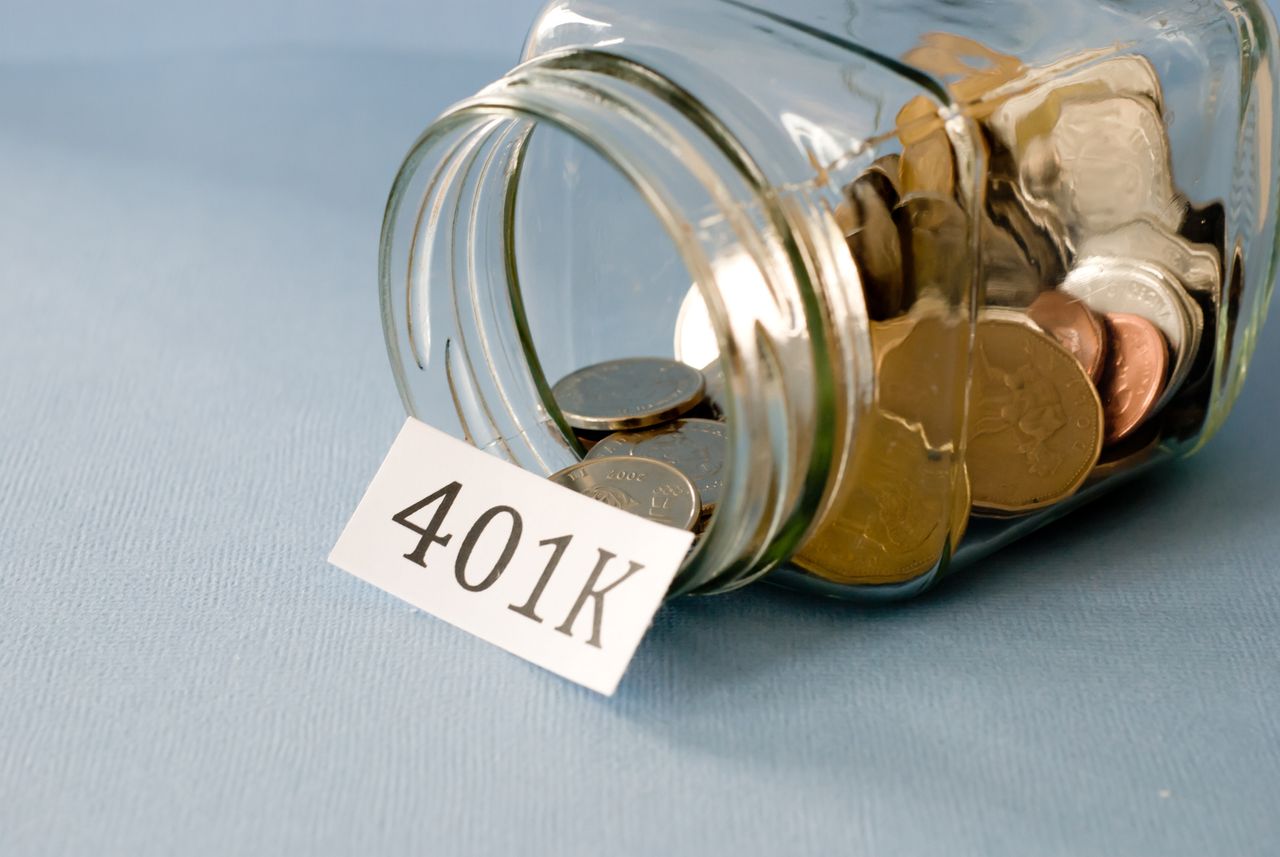
A growing number of employers are pausing or reducing 401(k) matching contributions in 2026, a shift that directly affects your retirement savings trajectory and tax strategy.
When companies suspend matches, workers lose free money. A typical match might cover 50 percent of your first 6 percent of salary contributions, capped at 3 percent of your paycheck. Losing this means missing out on immediate gains. If you earned $60,000 and your employer matched 3 percent annually, that's $1,800 per year in forgone retirement funding.
The tax implications matter too. Your own 401(k) contributions still reduce your taxable income dollar-for-dollar. If you contribute $7,000 annually and earn $60,000, your taxable income drops to $53,000. This remains true whether your employer matches or not. However, the match itself is tax-deferred income you won't receive, so that tax advantage disappears.
Workers facing match suspensions should reassess their retirement strategy. You have three main options. First, continue contributing the same amount to your 401(k) if cash flow allows. You still get the tax break, and the money compounds for decades. Second, reduce contributions temporarily if finances tighten, though this slows progress toward retirement. Third, redirect what would have been the employer match into an IRA or taxable brokerage account.
For those under 50, a backdoor Roth IRA conversion strategy becomes more attractive. This approach lets you move pre-tax 401(k) balances into a Roth, paying taxes upfront but gaining tax-free growth forever. Check contribution limits: for 2026, the standard 401(k) limit is $24,000 annually, plus a $8,000 catch-up if you're 50 or older.