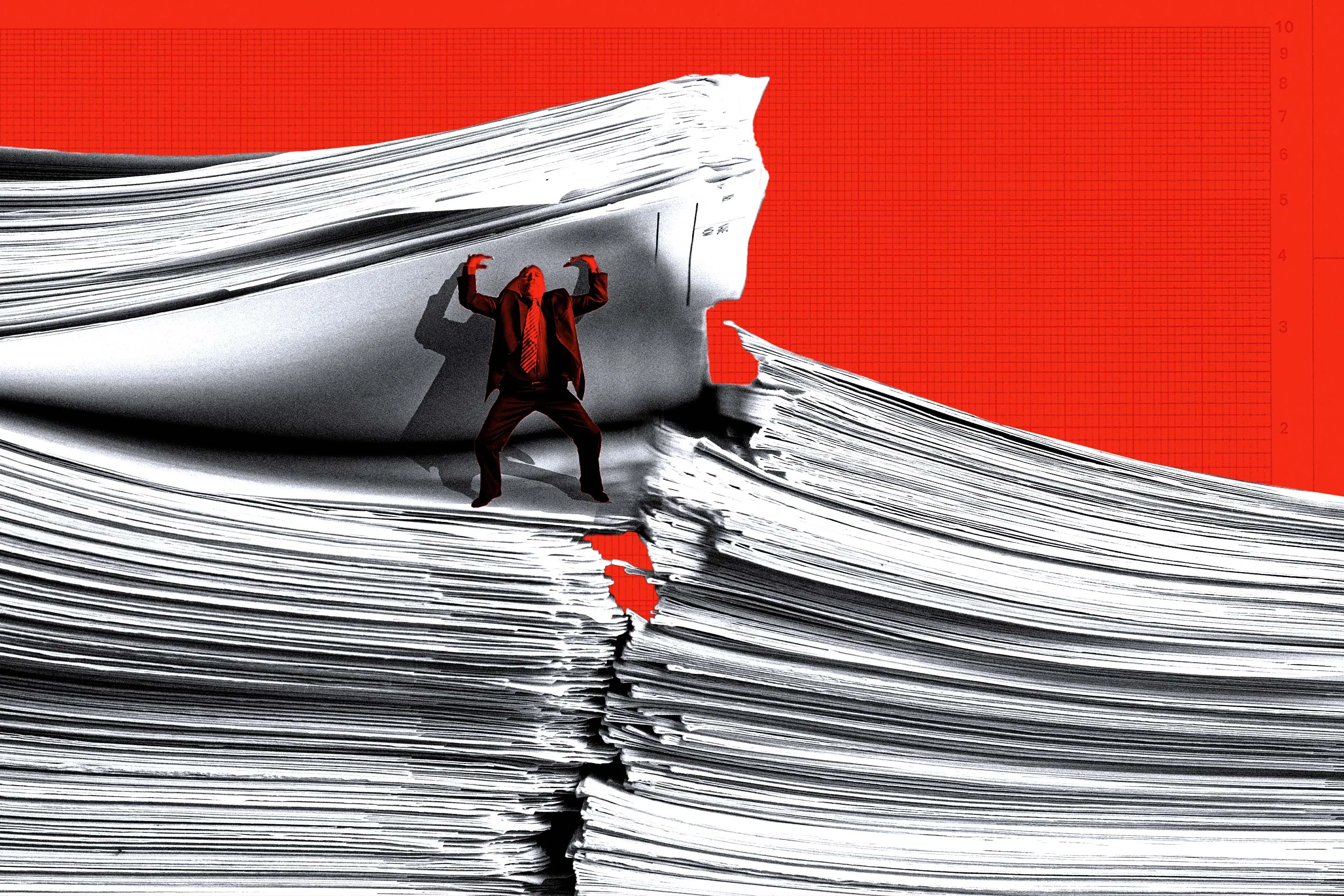
The IRS faces a mounting backlog of paper tax returns that threatens to slow refund processing this filing season. The agency's aging infrastructure struggles to handle the volume of forms submitted on paper, creating delays that could stretch refunds by weeks or months.
The core problem is straightforward. The IRS still relies on manual data entry to process paper returns. Workers must physically scan and input information from millions of paper forms into the agency's computer systems. This labor-intensive process bottlenecks the entire pipeline, especially when filing deadlines bunch thousands of returns together.
The IRS acknowledges these "acute performance challenges." The agency has launched a modernization effort to become digital-first, but the transformation will take years. Until then, paper filers face real delays.
Here's what this means for you. If you file electronically, your refund timeline remains largely unchanged. The IRS typically processes e-filed returns within 21 days. Paper filers should expect longer waits. Returns filed on paper now face processing delays measured in months rather than weeks, particularly if you file early in the season when paper volume peaks.
The agency has taken some steps to speed things up. The IRS hired temporary workers and increased scanning capacity at processing centers. Still, these measures only partially address the backlog.
To avoid delays, file electronically whenever possible. The IRS offers free e-filing through its Free File program for taxpayers earning under roughly $79,000. Third-party software like TurboTax, H&R Block, and TaxAct participate in the program. Electronic filing not only accelerates your refund but also reduces errors that trigger additional IRS correspondence.
If you must file paper, submit your return early. Don't wait until April 15. The earlier your return arrives, the sooner it reaches the processing queue before the backlog intensifies.
The IRS modernization effort