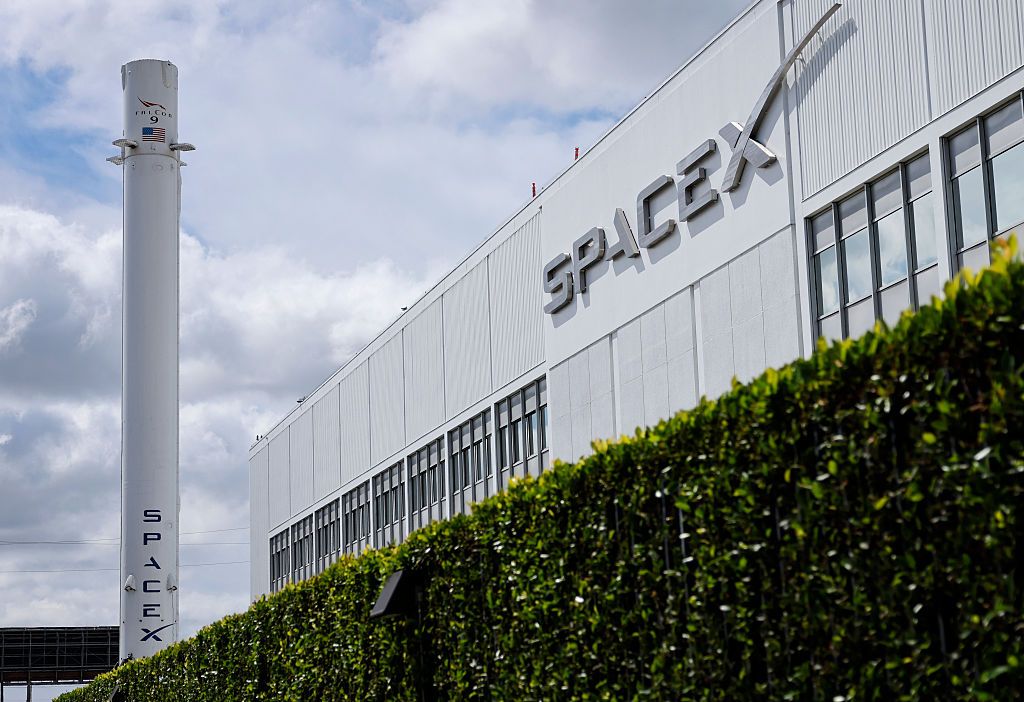
SpaceX plans to go public next month in what could be the largest initial public offering on record. Elon Musk's space exploration and satellite company will begin trading after years of operating as a private firm.
The IPO timing matters for retail investors. SpaceX has burned through billions developing rockets, satellites, and launch infrastructure. The company operates Starship, its next-generation heavy-lift rocket, and Starlink, a global satellite internet network with millions of subscribers. These operations generate revenue but require constant reinvestment.
For potential shareholders, SpaceX presents both appeal and risk. The company dominates commercial spaceflight contracts with NASA and the Department of Defense. Starlink revenue grows as the subscriber base expands. However, space ventures remain capital-intensive and unpredictable. Launch failures, regulatory hurdles, and competition from Blue Origin and other players pose real threats.
The offering size will determine accessibility. If SpaceX prices shares in the $50 to $200 range, retail investors can participate directly. Fractional share platforms like Fidelity and Charles Schwab allow purchases of partial stakes if full shares prove expensive. Investment apps including Robinhood and E-Trade will likely offer trading immediately after debut.
Your decision depends on risk tolerance. SpaceX stock will be volatile. Musk's management style and regulatory actions affecting space policy create uncertainty. The company's long-term profitability remains unproven despite strong revenue growth.
Before buying, check your brokerage. Some firms implement waiting periods or restrict IPO purchases to established clients. Read the prospectus carefully. Understand the company's burn rate, debt load, and competitive position. Consider whether you can afford to hold through downturns.
SpaceX represents a bet on space economy growth. That thesis has merit. Whether the stock itself offers good value at IPO pricing