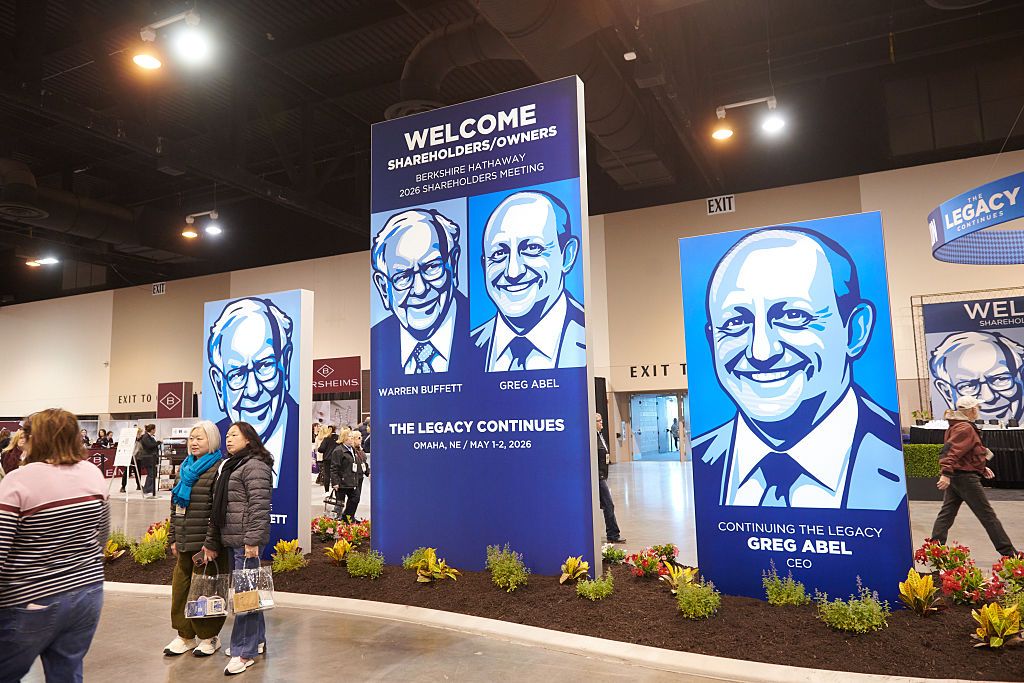
Berkshire Hathaway completed its first full quarter under new leadership without Warren Buffett, marking a watershed moment for the conglomerate. Greg Abel now oversees stock purchases and sales across the massive $300+ billion equity portfolio that defined Buffett's decades-long investment philosophy.
The specific trades Berkshire executed in Q1 2026 reveal how Abel's team is steering the company's capital allocation strategy. While exact details depend on the full quarterly filing, this transition matters because Buffett's personal stock-picking shaped Berkshire's returns for over 60 years. His preference for long-term holds in companies like Apple, American Express, and Coca-Cola generated enormous shareholder value.
Abel's approach may differ. Investors watch whether Berkshire continues cutting positions or initiates new ones. The company has been trimming Apple shares and building cash reserves in recent quarters, a shift that sparked debate among analysts about whether the cash hoard signals caution about stock valuations or reflects Abel's different risk appetite.
For Berkshire shareholders, this quarter establishes a baseline for post-Buffett performance. Berkshire's Class A shares trade around $644,000, while Class B shares cost roughly $430. The company's 366 billion dollar portfolio remains one of the largest in the world, but its composition reveals management's current thinking.
Smaller investors holding Berkshire shares should monitor how the stock portfolio evolves. If Abel aggressively rebalances holdings or shifts toward different sectors, it changes the risk profile of owning Berkshire. The company's legendary undervalued-stock expertise could shift into different patterns.
The broader message: even at a conglomerate as large and established as Berkshire, leadership transitions matter. Abel's investment decisions will compound over decades, just as Buffett's did. Watching his first few quarters of independent action