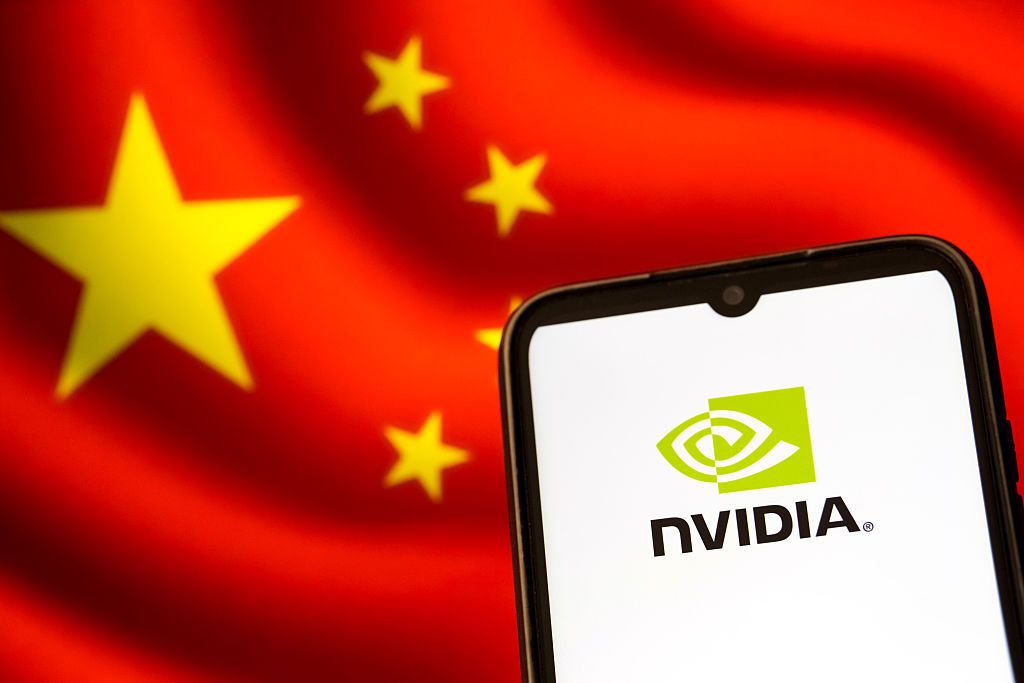
The stock market continues to be dominated by technology giants, with Nvidia leading the charge despite ongoing tensions around its China business. The so-called Magnificent 7 mega-cap stocks, which include Nvidia, Apple, Microsoft, Tesla, Amazon, Google, and Meta, have overshadowed broader market concerns about geopolitical risks in the Middle East and macroeconomic headwinds.
Nvidia's stock performance reflects investor appetite for artificial intelligence and semiconductor exposure. The company faces regulatory scrutiny around sales to China, where export restrictions limit its ability to sell advanced chips. Yet the market has largely shrugged off these concerns, betting that Nvidia's dominance in AI-related semiconductors remains intact.
The Magnificent 7's strength shows how concentrated stock market gains have become. These seven companies now drive a disproportionate share of index returns, meaning investors who own broad market funds benefit heavily from tech leadership. For active stock pickers, this creates a challenge. Most funds struggle to beat the Magnificent 7's combined returns.
For everyday investors, the message is clear. If you hold index funds tracking the S&P 500 or Nasdaq, you have substantial exposure to Nvidia and its peers already. You don't need to pick individual tech stocks to participate in AI gains. Diversified portfolios actually reduce the risk that any single sector dominance creates.
Middle East tensions and macroeconomic concerns remain real. Oil prices could spike. Interest rates could surprise. Yet the market has voted with its wallet. Technology and artificial intelligence matter more to equity prices right now than traditional risk factors. This concentration creates both opportunity and danger. Opportunity because AI adoption is real and accelerating. Danger because when mega-cap tech stocks slip, they can drag broad indexes down sharply.
Investors should monitor their portfolio allocation. If technology represents more than 25 to 30 percent of your