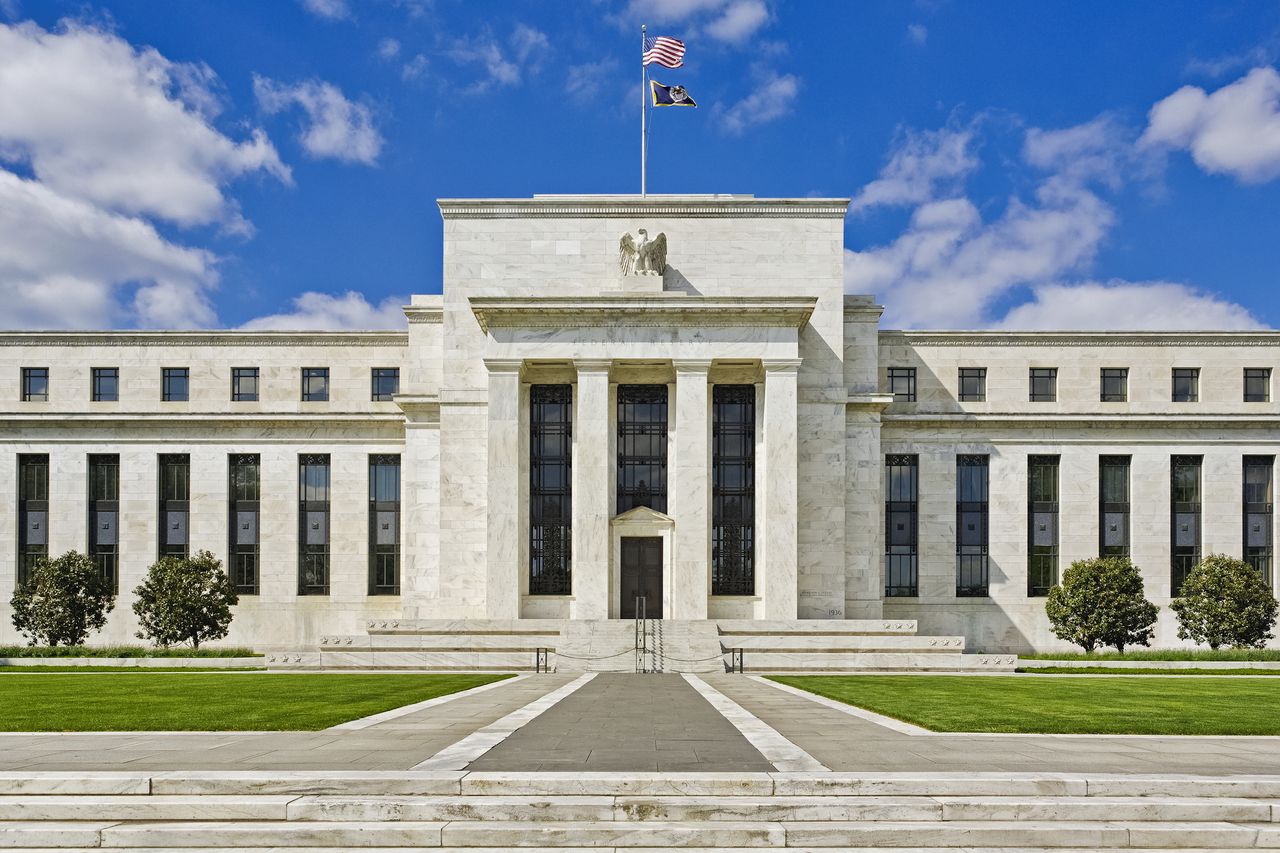
Kevin Warsh's expected appointment as Federal Reserve chair will reshape interest rate policy in ways that directly affect your tax bill, even without Congress changing a single tax law.
Here's the mechanism. The Fed doesn't write tax code, but it controls short-term interest rates, which ripple through the economy. When rates rise or fall, investment returns change. Higher rates boost savings account yields, CD returns, and bond interest. Lower rates reduce them. All that investment income is taxable.
Your 2026 tax picture depends heavily on Warsh's rate decisions. If he keeps rates elevated, you'll earn more interest on savings and bonds, pushing more households into higher tax brackets. A typical savers earning $50,000 annually might add $1,000 in taxable interest income from a high-yield savings account at 4.5% rates versus 0.01% rates. That extra $1,000 could bump you into a higher bracket or reduce tax credits you'd otherwise claim.
The same logic applies to stock dividends and capital gains. Fed policy influences equity valuations and dividend payouts. Warsh's approach to inflation management and economic growth will shape corporate earnings, which directly hits investor returns.
What matters for 2026: Warsh's documented preference leans toward careful rate cuts and watching inflation closely. His past statements suggest caution about cutting rates too aggressively. That likely means savers will continue earning decent yields through 2025 and into 2026, creating higher reported investment income.
For ordinary households, this means planning ahead. If you're sitting on high-yield savings accounts earning 4% or higher, expect that income to appear on your 2026 tax return. Adjust quarterly estimated taxes if you're self-employed. Consider tax-loss harvesting strategies in investment accounts to offset gains.
The takeaway: Your 2026