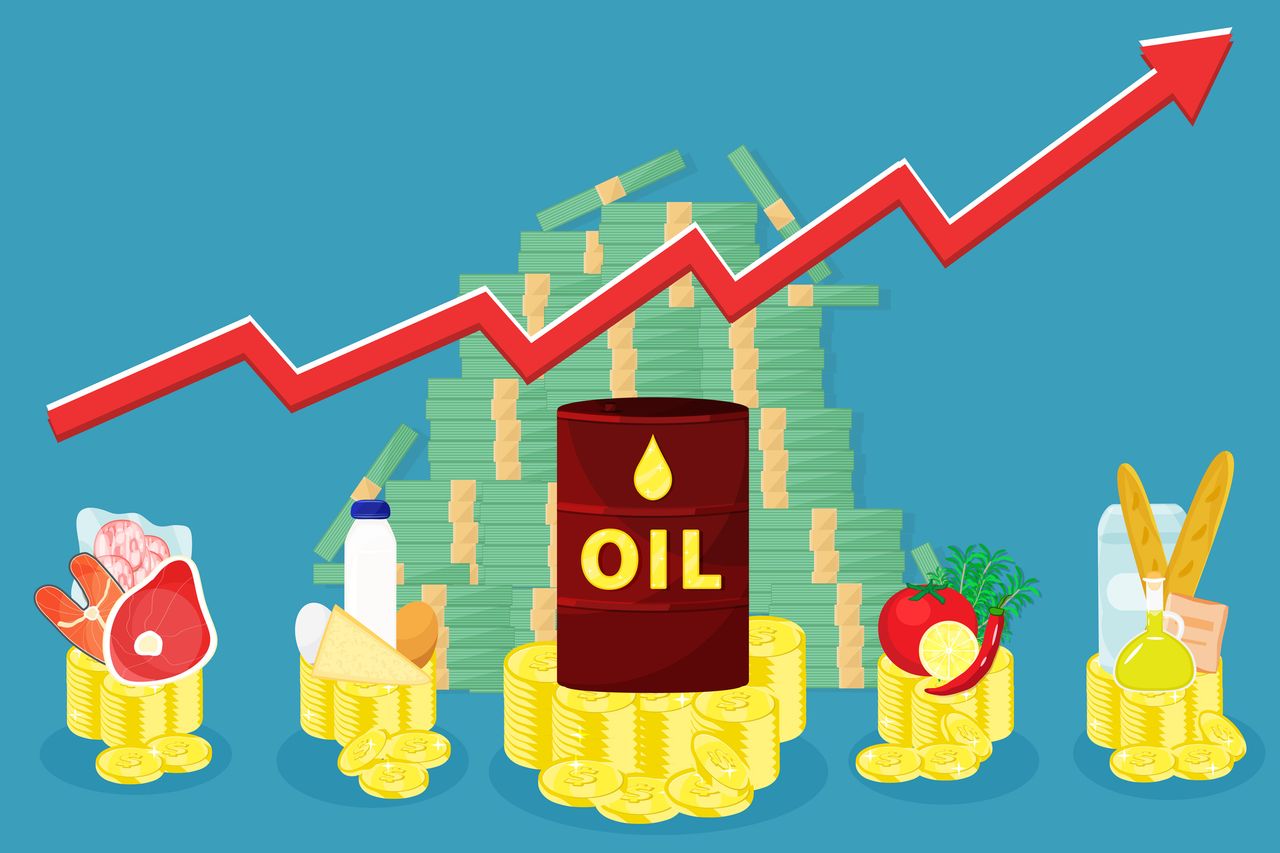
Chip stocks tumbled as inflation data surprised to the upside, with the Consumer Price Index posting its hottest reading in three years. The surge stems partly from geopolitical tension, specifically the shutdown of the Strait of Hormuz, which has driven up energy prices globally.
The Strait of Hormuz blockage disrupts one of the world's most critical oil shipping routes. This chokepoint funnels roughly one-third of global seaborne oil trade, so any closure ripples through energy markets and cascades into broader inflation pressures.
Higher energy costs feed directly into production expenses for semiconductor manufacturers. Chipmakers rely on electricity-intensive fabrication processes, making them vulnerable when oil and energy prices spike. Beyond direct energy expenses, elevated inflation pressures central banks to keep interest rates higher for longer, which dampens investor appetite for growth stocks. Semiconductor companies typically trade on growth narratives, so rate sensitivity cuts into their valuations.
The CPI reading matters because it shapes Federal Reserve policy expectations. Markets had priced in rate cuts later this year, but hot inflation data shifts that timeline. When the Fed holds rates steady or signals delayed cuts, bond yields rise and growth stocks become less attractive relative to fixed-income alternatives.
For individual investors, this environment requires reassessment. If you hold semiconductor ETFs or individual chip stocks like Nvidia, Intel, or AMD, expect continued volatility tied to inflation reports and Fed commentary. Diversification across sectors that benefit from inflation, like energy and financials, can balance concentrated chip positions.
Energy stocks stand to gain as oil prices remain elevated. Utility stocks also perform better in rising-rate environments. Consider whether your portfolio overweights technology relative to your risk tolerance.
The Strait of Hormuz closure won't likely persist indefinitely, but inflation dynamics move slowly. Multiple CPI prints will determine the Fed's path forward. Monitor upcoming inflation data