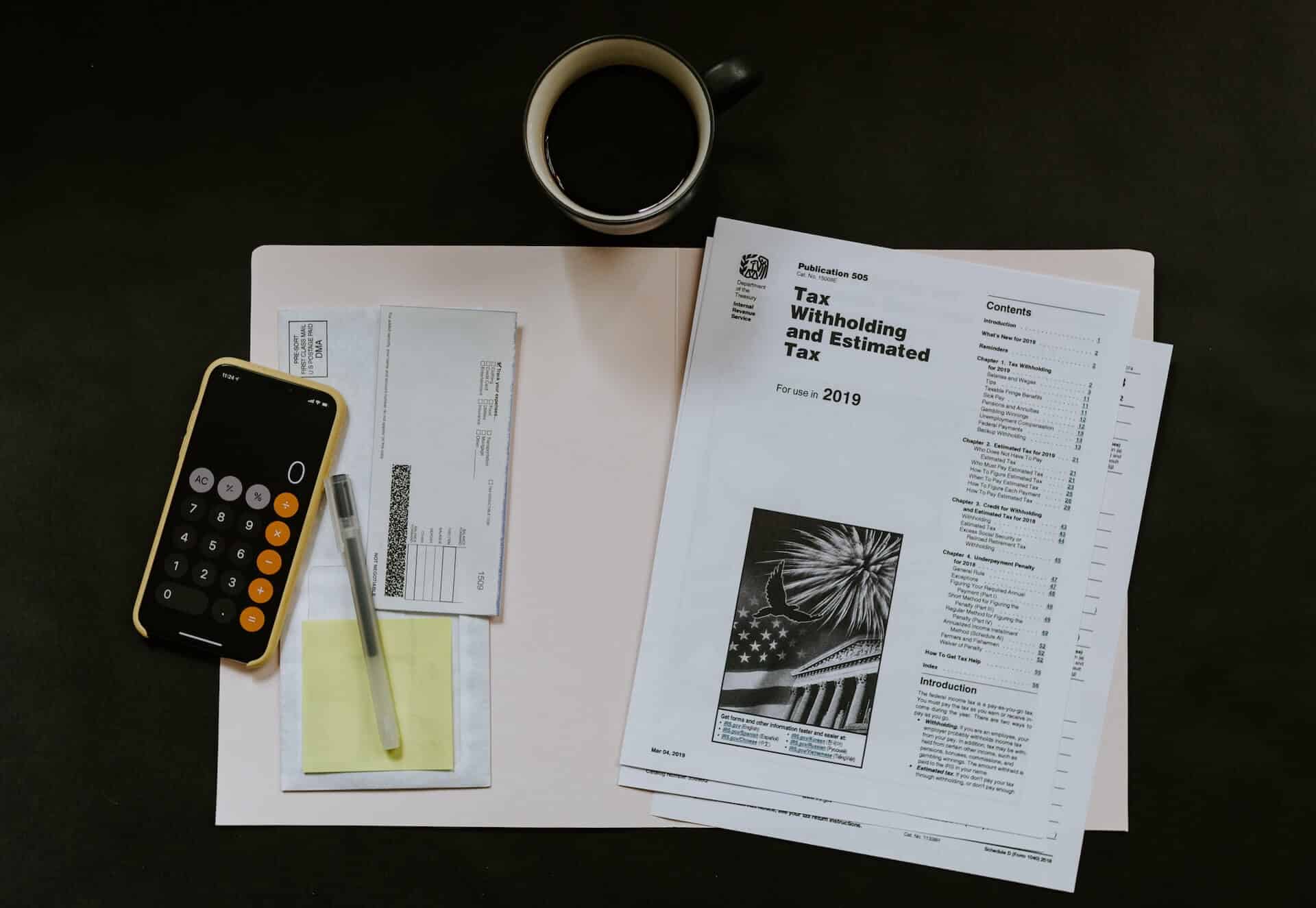
Taxpayers shopping for help filing returns face three main options, each with different cost structures and best uses.
DIY tax software like TurboTax, H&R Block, and TaxAct charges between $60 and $200 depending on return complexity. These platforms work well for straightforward situations with W-2 income, standard deductions, and simple investment gains. The software walks users through each section and stores previous years' data for faster filing. TurboTax dominates market share but costs more than competitors. H&R Block and TaxAct offer lower entry prices, though all three add fees for state returns and premium support.
Tax preparation chains including H&R Block, Jackson Hewitt, and Liberty Tax charge $150 to $500 for in-person filing. A tax preparer reviews your documents, asks clarifying questions, and handles the entire process. This route suits people with rental income, self-employment earnings, or multiple investment accounts. Chain locations operate seasonally during tax season, so appointment wait times lengthen as April approaches.
CPAs and enrolled agents represent the premium option at $300 to $1,000 or more per return. These credentialed professionals offer year-round availability and ongoing tax planning advice beyond just filing. They excel for complex situations involving business ownership, significant investment portfolios, or previous audit issues. Finding a good CPA often takes referrals from friends or financial advisors.
The choice depends on your situation's complexity and your comfort level with technology. Someone earning $50,000 on W-2 income with no investments saves money using TurboTax. A freelancer earning $80,000 from multiple clients benefits from a CPA's guidance on quarterly payments and deduction strategy. A retiree with Social Security, pensions, and mutual fund sales fits the tax preparer mold well