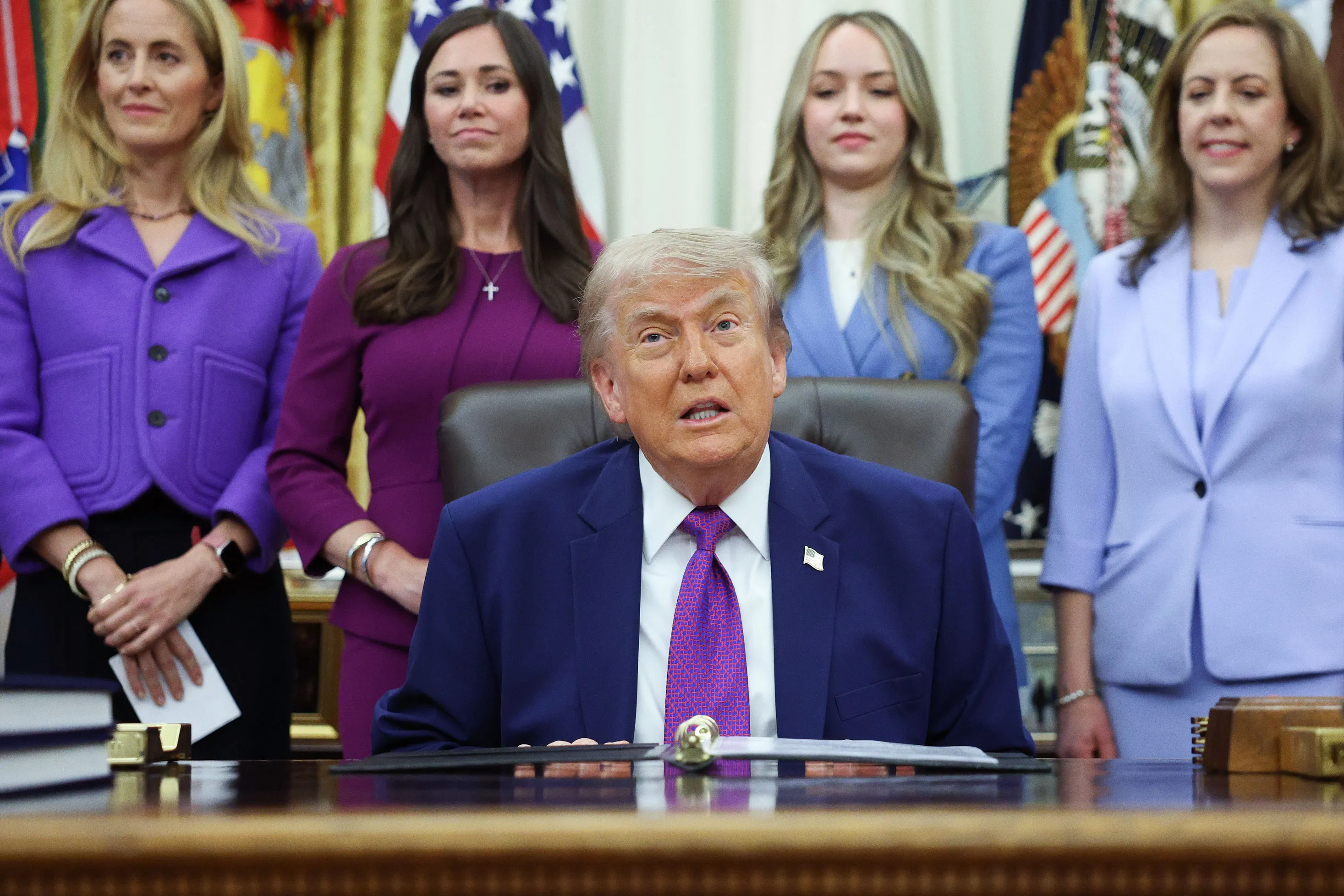
President Trump has proposed suspending the federal gas tax to reduce fuel prices at the pump. The federal excise tax on gasoline stands at 18.4 cents per gallon, while diesel faces a 24.4 cent tax. These taxes fund the Highway Trust Fund, which pays for road maintenance and infrastructure projects nationwide.
Suspending the tax requires Congressional approval. Congress has never suspended the federal gas tax since its creation in 1932, despite numerous proposals over decades. Trump cannot unilaterally eliminate or pause the tax through executive order alone.
Here's what matters for your wallet. If Congress were to suspend the gas tax, drivers would save roughly 18 cents per gallon on regular gasoline and 24 cents per gallon on diesel. For someone filling a 15-gallon tank weekly, that equals about $2.70 in weekly savings on regular gas, or roughly $140 annually. Savings accumulate faster for those who drive frequently or own diesel vehicles.
The trade-off involves infrastructure funding. The Highway Trust Fund relies on gas tax revenue to maintain and repair roads, bridges, and highways. Suspending the tax without alternative funding sources would reduce available money for these projects. States and municipalities already struggle with deferred maintenance. A suspension could further strain infrastructure budgets unless Congress redirects general revenue to cover the gap.
Political reality adds complexity. Senate Democrats have historically opposed gas tax suspensions, arguing they're ineffective stimulus measures that create long-term infrastructure problems. Republicans have periodically proposed suspensions during periods of high gas prices. The outcome depends on Congressional composition and political priorities at the time.
For ordinary drivers, a gas tax suspension offers immediate relief at pumps. But benefits prove temporary if fuel prices rise due to other factors like crude oil costs or refinery issues. The tax represents just one component of gas prices. Long-term relief depends on broader energy market conditions,