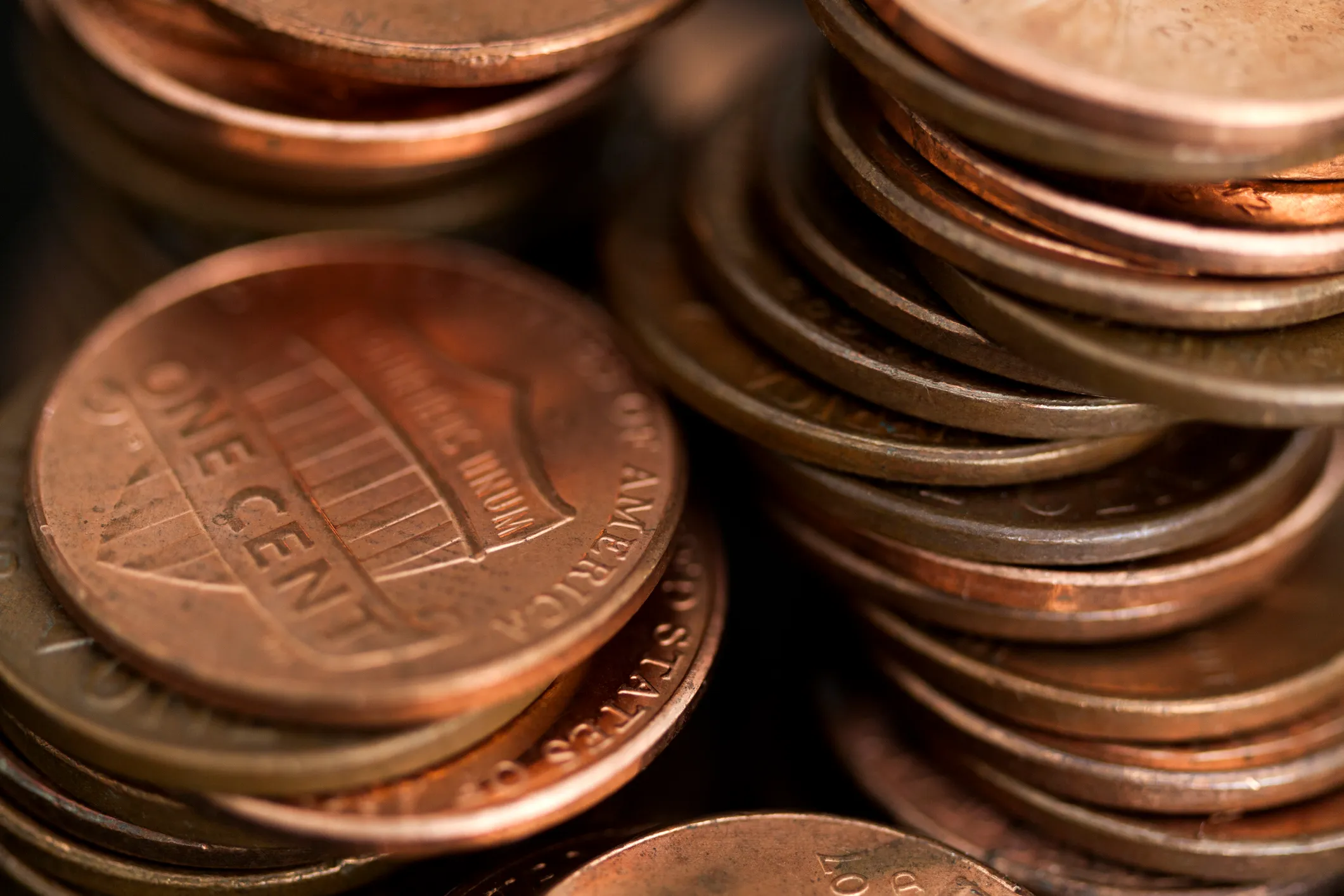
# What to Do With Your Pennies Now That Production Has Stopped
The U.S. Mint halted penny production in November 2025, marking the end of an era for the one-cent coin. Roughly 140 billion pennies remain in circulation, but no new ones will enter the system. This shift gives ordinary Americans with jars of loose change a reason to reconsider their options.
Your first choice is simple. Take pennies to your bank and exchange them for paper money or deposit them directly into your account. Most banks accept rolled or loose pennies without charging fees. Credit unions typically offer the same service. You'll get face value: 100 pennies equals one dollar.
A second option involves coin-counting machines. Retailers like Walmart, Target, and Whole Foods operate automated counters in their lobbies. These machines charge a fee, typically 10 percent of the value you deposit. A jar containing $10 in pennies nets you $9 after the fee. They dispense the money as store credit or cash, depending on the machine.
Online services provide a third route. Websites like CoinOutlet and CashForCoins let you mail in your pennies. You pay for shipping, and the company deposits funds directly into your bank account after counting. This works best if you have large quantities, as shipping costs cut into smaller totals.
If you want no hassle, donate pennies to charity. Food banks, animal shelters, and schools gladly accept coin donations. Your contribution covers operational costs while supporting your community. Many nonprofits set up collection jars at checkout counters specifically for this purpose.
Some collectors still value older pennies minted before 1982, particularly error coins or rare dates. Check if your pennies contain any collectible examples before converting them. Numismatic websites list valuable years and mint marks