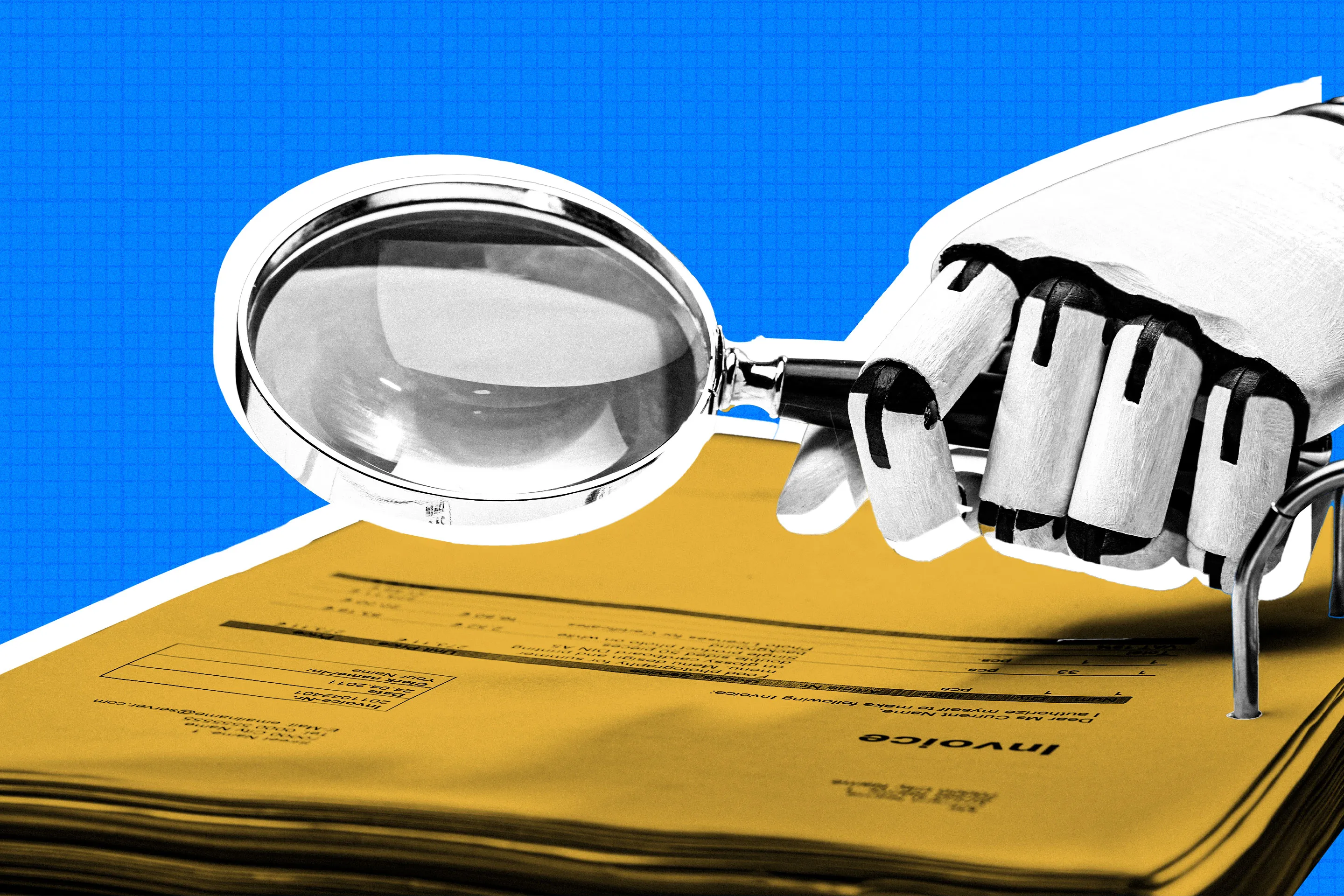
The IRS is deploying artificial intelligence tools to identify which taxpayers warrant audit scrutiny, marking a significant shift in how the agency selects enforcement targets. Former IRS Commissioner Danny Werfel compared the technology to having a strategic advisor during chess, suggesting AI helps the agency play tax enforcement more effectively.
The move reflects a broader trend in government agencies adopting machine learning to handle resource constraints. The IRS lacks sufficient staff to audit all suspicious returns, so AI systems analyze patterns in tax filings to flag high-risk cases. These tools examine factors like income inconsistencies, deduction anomalies, and filing patterns that deviate from comparable taxpayers.
The practical implications affect ordinary filers immediately. Taxpayers in certain income brackets or industries face elevated audit risk if AI algorithms flag their returns. The system can identify suspicious activity faster than manual review, but questions linger about transparency and bias in algorithmic decision-making.
For savers and investors, this matters. High-income earners, business owners, and those claiming substantial deductions face closer scrutiny. Investment losses, rental property deductions, and self-employment income categories trigger particular AI attention. The system learns from past audits, meaning patterns flagged in previous years generate more alerts now.
The IRS hasn't disclosed specific details about which AI vendors provide these tools or how the algorithms weigh different risk factors. The lack of transparency creates uncertainty. Taxpayers cannot easily know whether their filing triggers automated suspicion or understand the precise reasoning behind audit selection.
This approach could improve enforcement against sophisticated tax evasion. Organized fraud schemes often involve patterns AI detects better than humans. However, algorithmic auditing raises fairness concerns. If the training data reflects historical biases in past enforcement, AI perpetuates those biases at scale.
For most compliant filers, minimal risk exists. Keeping organized records, claiming only legitimate deductions, and