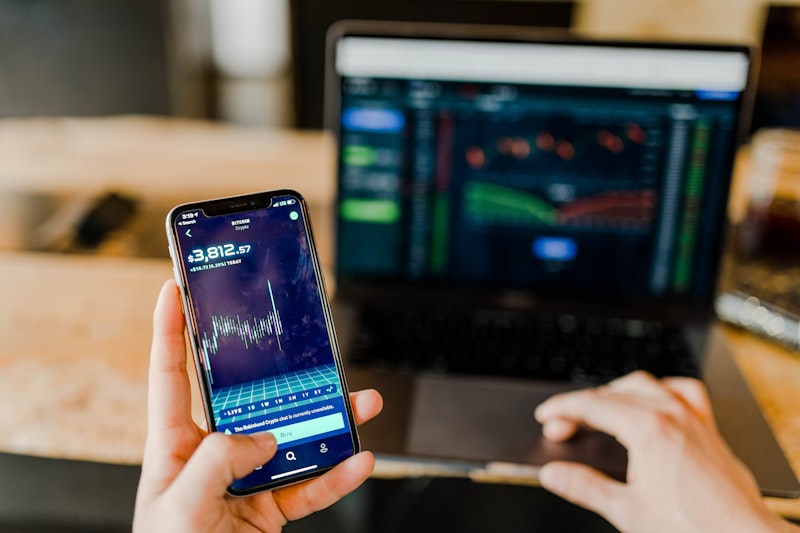
Bitcoin's price swings confuse ordinary investors because raw numbers alone fail to capture market momentum and trends. Visual market summaries address this gap by transforming price data into charts, graphs, and heat maps that reveal patterns at a glance.
When you check the Bitcoin price today, you see a single figure. A visual summary shows you where that price sits relative to yesterday, last week, and last year. Line charts display upward and downward trends clearly. Candlestick charts reveal opening and closing prices plus daily highs and lows in one compact image. Heat maps use color coding to show which cryptocurrencies are gaining or losing ground fastest.
This matters because Bitcoin moves fast. A price can swing hundreds or thousands of dollars in hours. Without visual context, you cannot tell if today's movement represents a normal correction or the start of a major shift. Charts help you spot support levels (prices where Bitcoin tends to bounce back up) and resistance levels (prices where it struggles to climb higher). Recognizing these patterns helps you time buys and sells better.
Visual tools also reduce information overload. Instead of reading lengthy market analysis, you absorb key data instantly. This speed matters when making investment decisions. You grasp whether volatility is extreme or typical for Bitcoin's current phase.
For beginners especially, visuals lower the barrier to understanding crypto markets. You do not need a finance degree to read a chart. Color changes and slope angles convey meaning quickly.
Platform choices matter here. Coinbase, Kraken, and other major exchanges offer built-in charting tools. TradingView provides advanced visualization options for serious traders. Even simpler mobile apps like Crypto.com display basic price trends in easy formats.
The takeaway is straightforward. If you hold Bitcoin or consider buying it, use visual market summaries alongside price quotes. They transform confusing data into actionable insight. You make