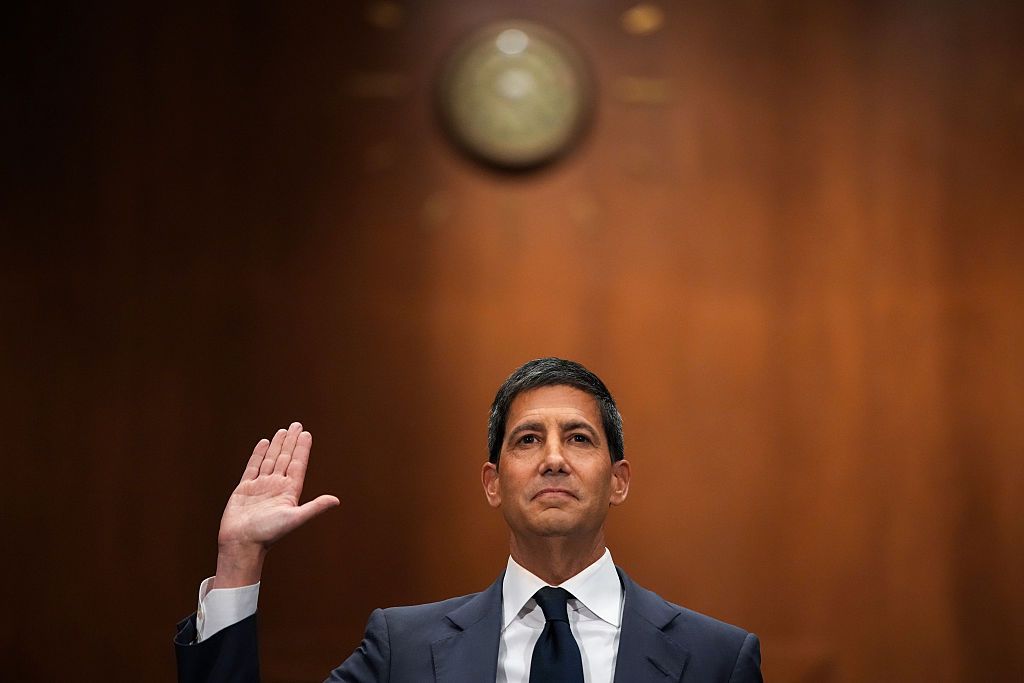
Kevin Warsh, the former Federal Reserve governor nominated as the next Fed chair, would have substantial power to reshape monetary policy even without unilateral control over interest rates. The position of Fed chair carries authority that extends well beyond casting one vote among the policy committee's 12 members.
Warsh can influence rate decisions through agenda-setting and persuasion. The chair determines which topics receive discussion time and frames how the Fed board evaluates economic data. A chair favoring rate cuts or pauses can prioritize dovish arguments during policy meetings. Warsh's hawkish track record suggests he may push the committee toward higher rates longer than it might otherwise choose, though his recent statements indicate some flexibility on inflation concerns.
Second, the chair shapes public communication strategy. Fed chairs control the messaging around policy decisions through press conferences, congressional testimony, and public statements. The chair's rhetoric significantly influences how markets interpret rate decisions and economic outlooks. Warsh can use these platforms to signal the Fed's long-term direction, potentially moving markets before any formal rate announcement.
Third, the chair appoints regional Fed presidents and influences leadership across Federal Reserve banks. These appointments ripple through monetary policy for years. A chair can select officials aligned with specific economic philosophies, gradually shifting the institution's culture and priorities. This structural influence operates quietly but powerfully.
Warsh's nomination suggests potential policy shifts. His previous Fed service occurred during the 2008 financial crisis, and he favored tighter monetary policy during recovery. His appointment signals possible resistance to aggressive rate cuts, even if inflation continues moderating.
For savers and borrowers, a Warsh-led Fed carries real implications. Higher rates mean better savings account yields and CD rates, but mortgage costs and credit card APRs stay elevated. Investors face pressure on bond prices and stock valuations if rates remain sticky. The timing of any eventual rate cuts could shift substantially