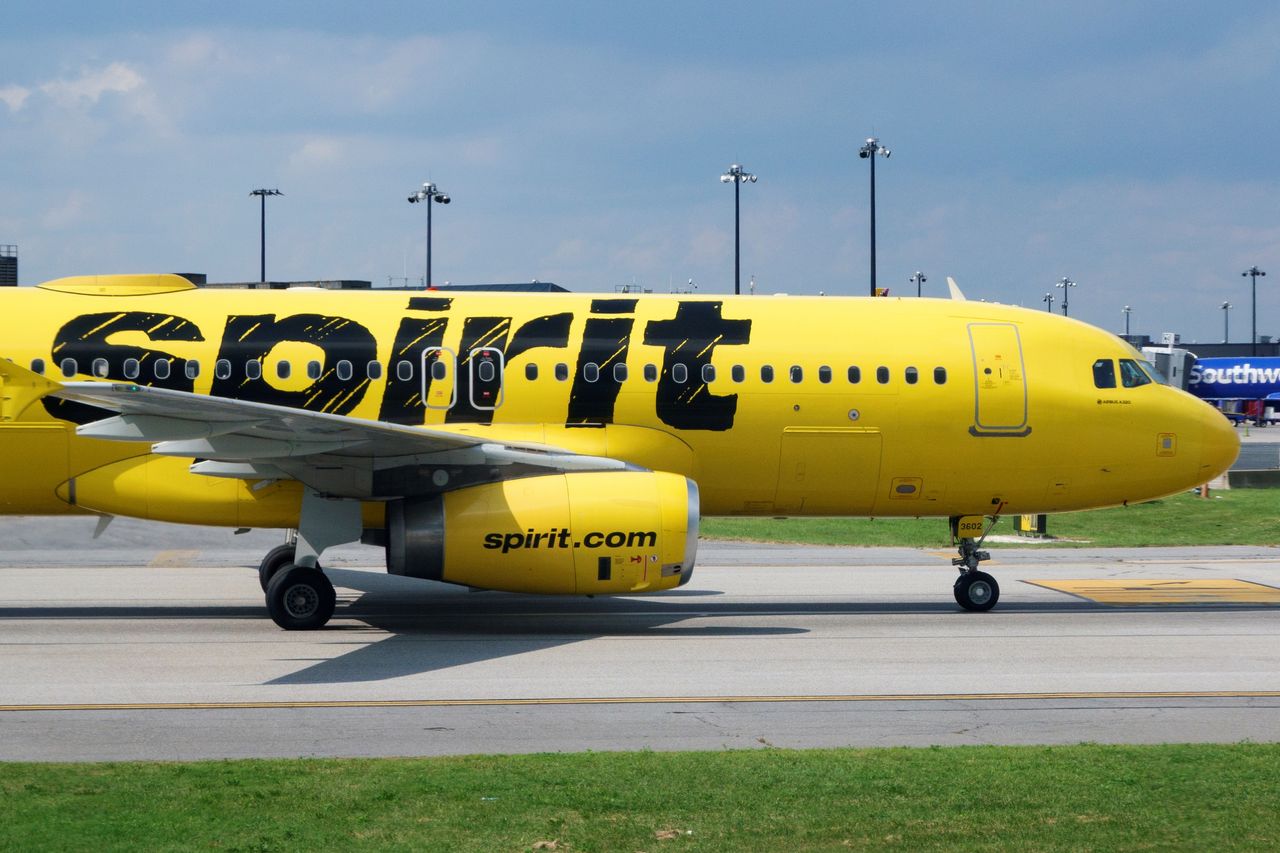
Spirit Airlines ceased operations, eliminating one of America's largest budget carriers and reshaping the ultra-low-cost airline market. This shutdown affects travelers beyond those who held Spirit tickets.
Spirit pioneered aggressive fee structures that forced competitors to match their pricing model. The airline charged for carry-ons, checked bags, seat selection, and boarding priority. Customers paid $1.49 to $4.99 for basics that other airlines included. This forced competition kept fares artificially low across the industry.
With Spirit gone, surviving ultra-low-cost carriers face less pricing pressure. Frontier Airlines and Allegiant Air, Spirit's primary competitors, now control larger market share. These carriers may increase fees or raise base fares without the same competitive threat. Airlines like Southwest, American, Delta, and United typically offer more generous policies but charge higher base prices, so consolidation in the budget segment could push overall airfare costs upward.
Spirit's shutdown also reduces route options on underserved markets. The airline operated 78 destinations, many in secondary cities where larger carriers avoid service. Passengers in cities like Atlantic City, Fort Lauderdale, and Las Vegas relied on Spirit for affordable connections. Replacement service from other carriers either doesn't exist or costs significantly more.
Travelers holding Spirit gift cards or vouchers face losses. Spirit's bankruptcy court proceedings determine how much creditors and customers recover, typically resulting in pennies on the dollar.
For savers, this consolidation matters. Budget airline competition has kept leisure travel affordable for middle-income households. Without Spirit's aggressive pricing, family vacations and casual trips become more expensive. Comparison shopping becomes more important. Using Google Flights, Kayak, or Skyscanner to track Frontier and Allegiant fares helps identify remaining deals.
THE TAKEAWAY: Spirit's disappearance removes a pricing anchor that kept travel costs down,