# Stock Market Pullback as Middle East Tensions Spike
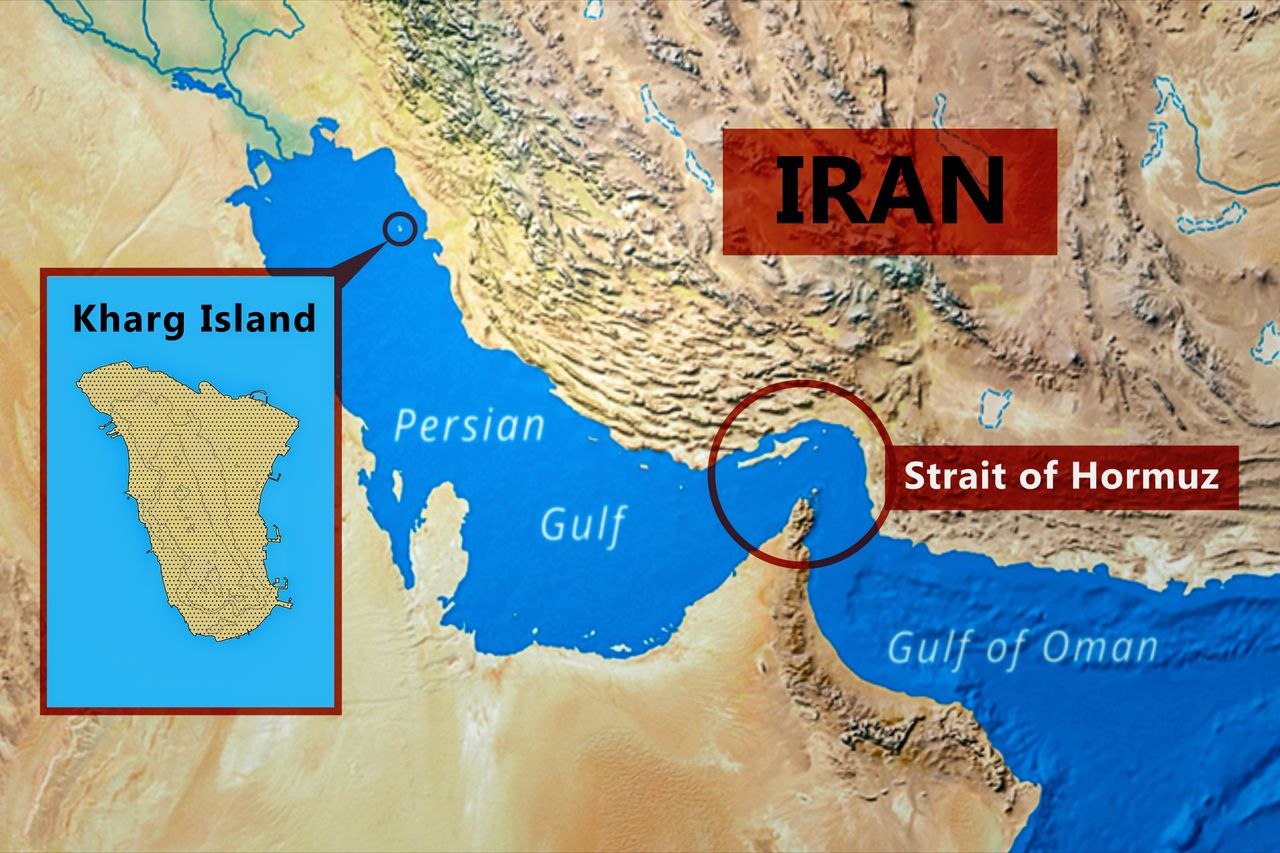
The Nasdaq closed lower as geopolitical tensions flared around the Strait of Hormuz, a critical shipping chokepoint that controls roughly one-third of global seaborne oil trade.
The latest escalation in the region sent energy prices higher and spooked investors late in the trading session. Oil traders priced in increased risk premiums as the situation evolved throughout the day. When shipping routes face disruption threats, crude typically spikes, which ripples through stock valuations across sectors.
For ordinary investors, this matters because energy volatility directly affects market performance. Tech-heavy indexes like the Nasdaq tend to stumble when oil prices surge, since higher energy costs crimp corporate profits and consumer spending power. Airlines, retailers, and manufacturers all feel the squeeze.
The Strait of Hormuz remains one of the world's most strategically sensitive locations. Any sustained disruption there could trigger oil price shocks far beyond what traders saw today. If supplies tighten, expect gas prices at the pump to rise within weeks.
For portfolio holders, geopolitical events like this are reminders that diversification matters. Holding some energy exposure or inflation-hedging assets (like Treasury Inflation-Protected Securities, or TIPS) provides ballast when tensions spike. Pure growth portfolios can swing hard on these news cycles.
The real risk emerges if tensions persist rather than fade. One-day market pullbacks often reverse quickly once headlines calm. But sustained Middle East instability could push energy costs higher for months, eventually dragging down earnings across the broader market.
Monitor oil prices as your canary in the coal mine. If crude stays above $80 per barrel and tensions don't ease, expect continued equity market pressure ahead.
THE BOTTOM LINE: Geopolitical shocks move markets fast, but one-day fades shouldn't